soldier’s overalls

Japanese clothing

man’s formal divided shirt(Hekoobi)

Japanese clothesclothing

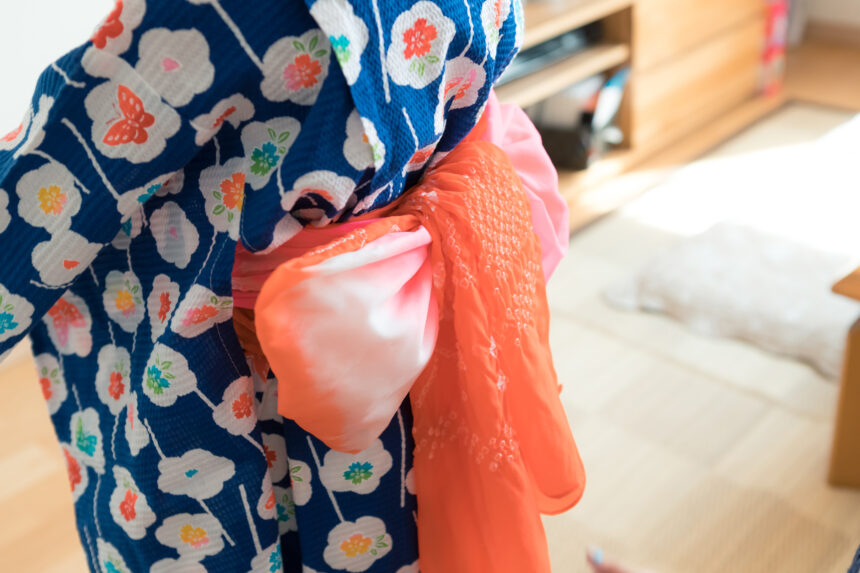
Obi for casual use for men and children. It is a wide belt made of soft material and easy to tie. It originated in the Satsuma domain (today’s Kagoshima Prefecture) during the Edo period. In the clan, the shigotsu obi used by young men of the clan (aged 15 to 25), called hyōji, was called a “hyōji obi. This belt spread to Tokyo and then to the rest of the country with the Meiji Restoration. The characteristic of the hyogo obi is that it is not constrictive and can be tied in a variety of ways. Recently, because of this feature, women have begun to use it as a yukata obi as well, and the number of materials and designs has increased dramatically.

新着・おすすめ情報

  1. Zojoji Temple

  2. The same manufacturing method since the establishment of the company. Interview with Satoru Nakamura, the 7th generation of Shirokiya Nakamura Denbei Shoten, who weaves Edo brooms using craftsmanship passed down from generation to generation .

  3. Zoshigaya Kishimojin Hall

  4. broiled eel

  5. The ninth generation of a long-established soba restaurant teaches how to boil and taste truly delicious soba noodles

  6. Anyone can do it by themselves! Basic yukata dressing – women’s version

  7. Inokashira Onshi Park

  8. A Walk in Edo with Old Maps] No. 2: Kyobashi and Ginza from the Edo Period to the Heisei Era Traced by Rivers

  9. Why is the oak in “Kashiwa-mochi” said to symbolize the prosperity of descendants?

  10. What is the “rank of kimono” that kimono beginners have trouble thinking about?

  11. Shoin Shrine (Setagaya, Tokyo)

  12. Nihonbashi Saruya is the only toothpick specialty store in Japan. Once you use it, you will never go back to ordinary toothpicks.

  13. purple

  14. various

  15. triangles of sweet rice jelly topped with adzuki beans (eaten in the sixth month)