

Established Meiji 25 (1892)
An art spot where you can view precious Japanese and Eastern artworks and classical texts
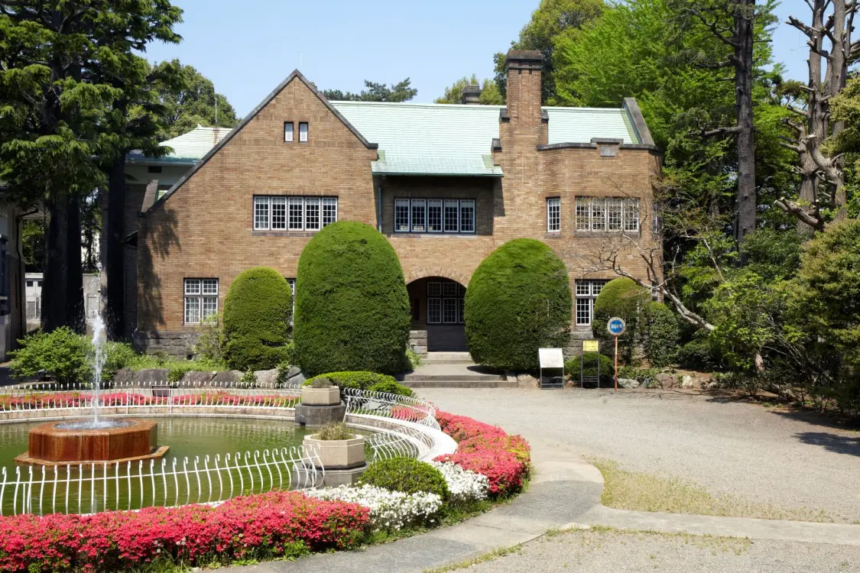
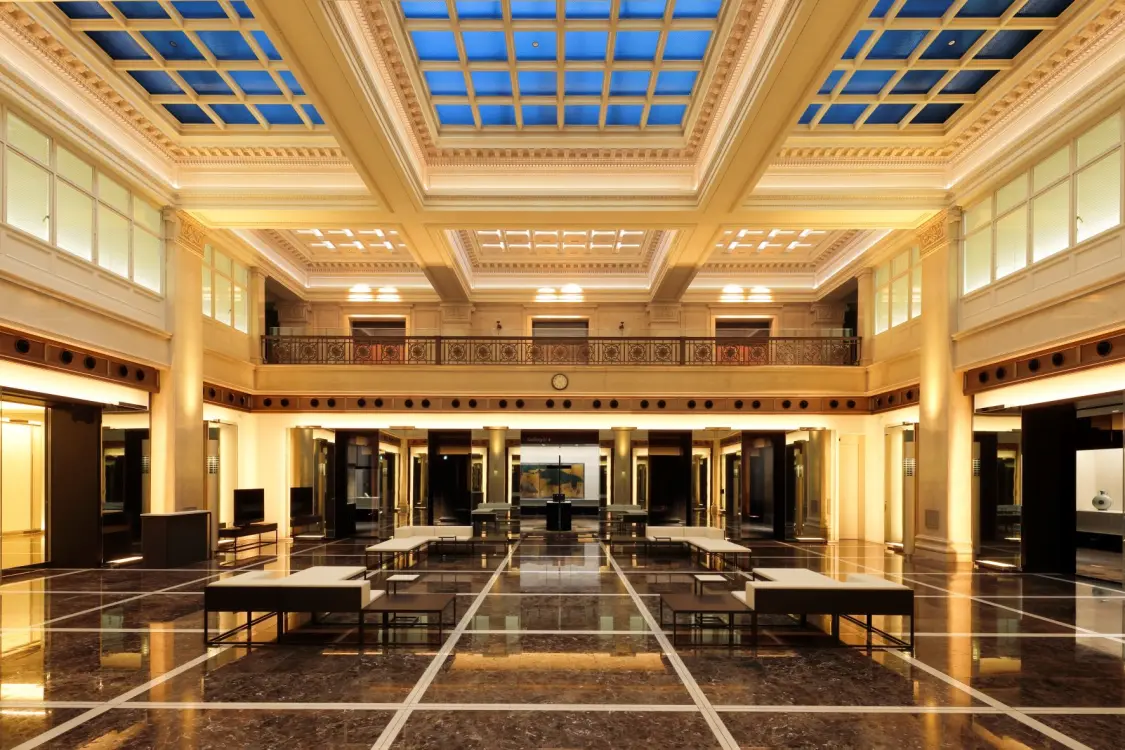
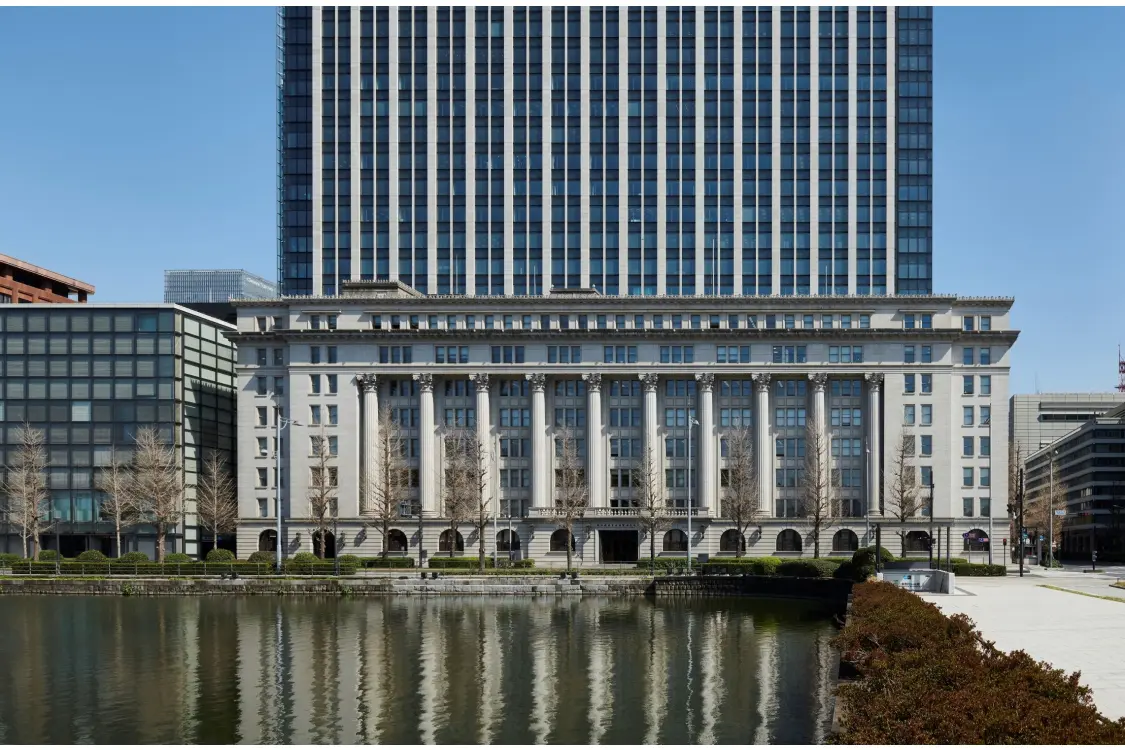
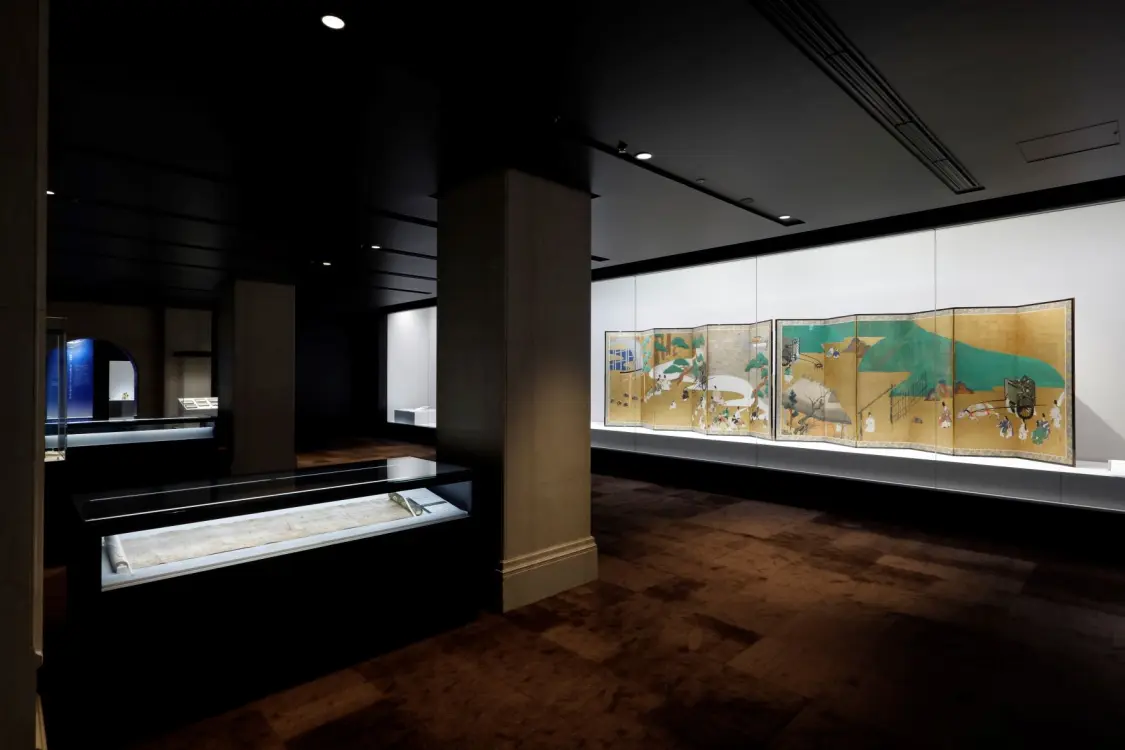
The Seikado Bunko Art Museum houses and displays a collection amassed over two generations by Iwasaki Yanosuke, the second president of Mitsubishi, and his son Komyuta. The collection includes approximately 200,000 classical texts and 6,500 pieces of Eastern art, including 7 National Treasures and 84 Important Cultural Properties, all representing significant Japanese collections. The museum was located in Setagaya until 2021, but for the 130th anniversary of Seikado, it moved to Marunouchi, a district closely connected to Mitsubishi. It opened on the first floor of the Meiji Seimei Kan, designated as a National Important Cultural Property, under the nickname “Seikado @ Marunouchi”. In a grand and calm space that preserves the atmosphere from its original construction, striking Eastern artworks are displayed. The museum also includes a shop offering unique items such as plush toys modeled after the National Treasure “Yohen Tenmoku”. Visitors can enjoy a valuable time carefully appreciating these masterpieces within this historic architecture.
History
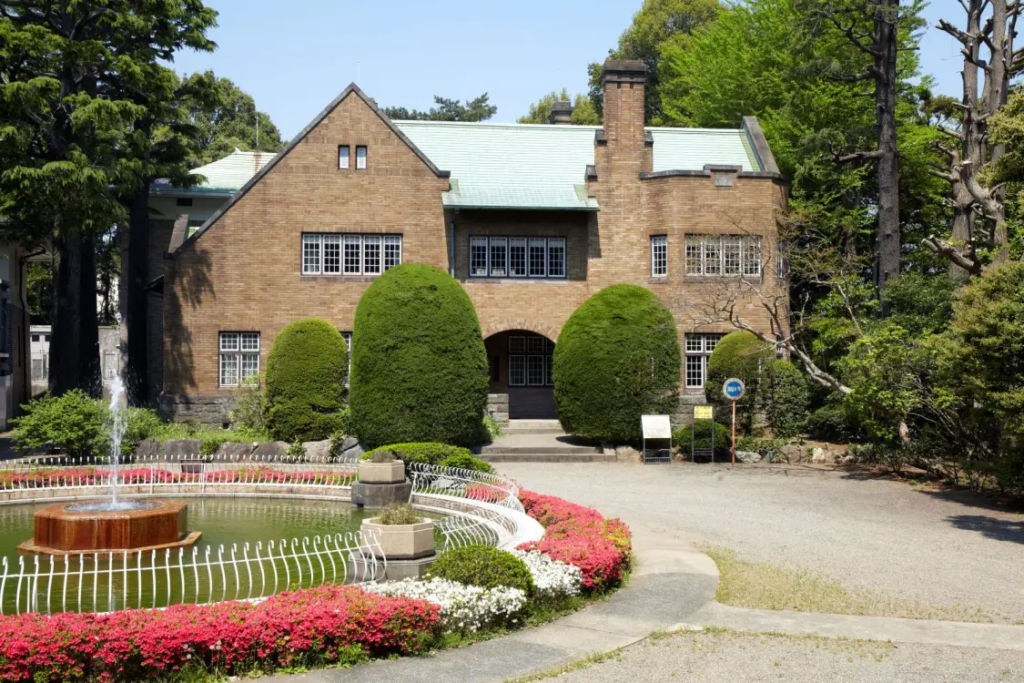
Seikado was established in Meiji 25 (1892) by Iwasaki Yanosuke, the second president of Mitsubishi, and expanded by his son Iwasaki Komyuta, the fourth president. The father-and-son collection, gathered to prevent the loss of valuable Eastern cultural properties, is one of the finest in both quality and quantity among private museums. Since 1977, the museum began publicly exhibiting its collection in Okamoto, Setagaya, and in 1992, its 100th anniversary, a museum was opened at the same location. For the 130th anniversary in 2022, the exhibition gallery was moved to Meiji Seimei Kan in Marunouchi. Even after the relocation, the storage and management of artworks, the Seikado Bunko (library), and the grounds and gardens continue to be managed in Okamoto, Setagaya.
Focus here
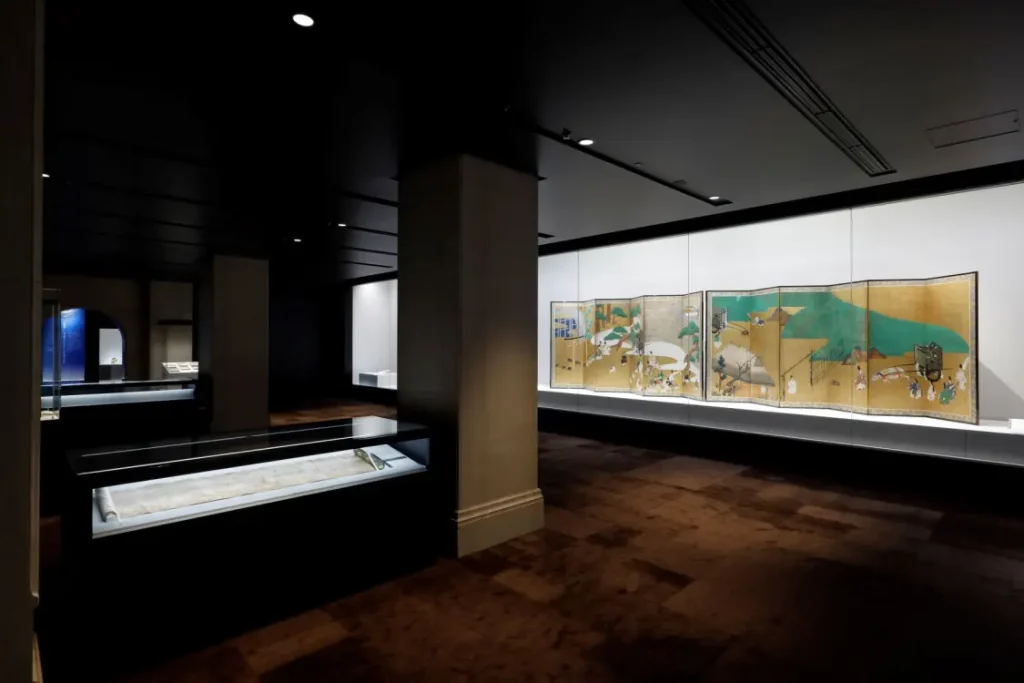
Viewing National Treasures among Important Cultural Properties!
Meiji Seimei Kan, the first Showa-era building designated as a National Important Cultural Property, allows visitors to enjoy its architectural design while viewing masterpieces of Eastern art, including National Treasures and Important Cultural Properties. Its extensive collection is showcased several times a year through themed exhibitions, offering a variety of works to see on every visit.
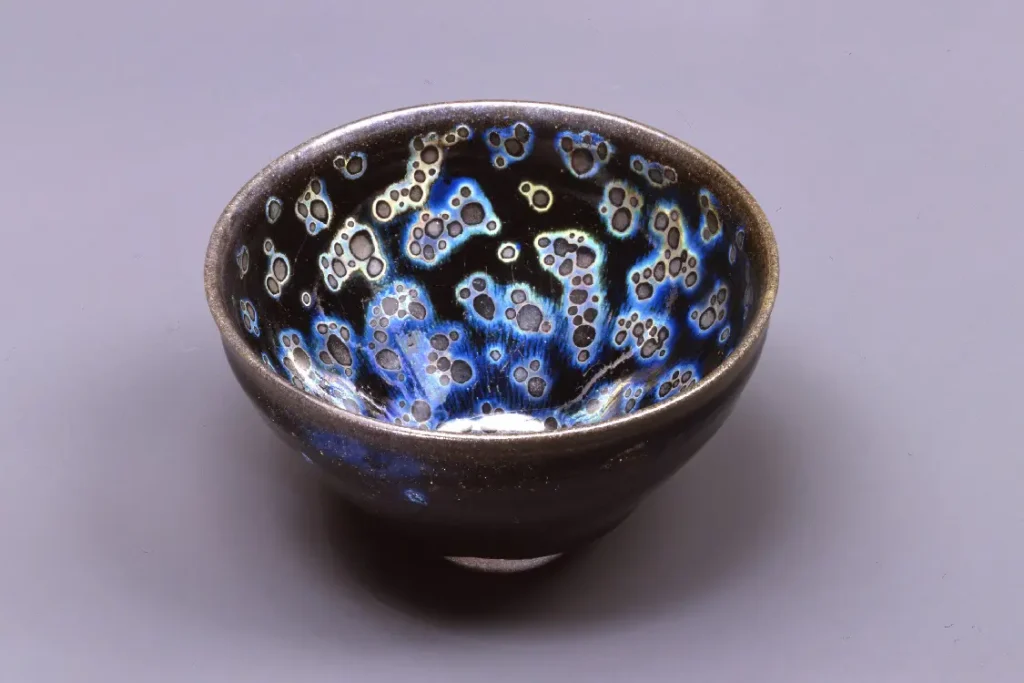
National Treasure “Yohen Tenmoku (Inaba Tenmoku)” Southern Song period (12th–13th century)
Yohen Tenmoku is a black-glazed tea bowl from Jian kiln, with an iridescence mainly in blue appearing around its spots. Only three complete examples remain in Japan. The museum’s piece displays vivid iridescence across the entire surface.
Spot Overview
| address (e.g. of house) | |
|---|---|
| phone | |
| Business Hours | |
| regular closing day | |
| Payment Method | |
| External Links |