

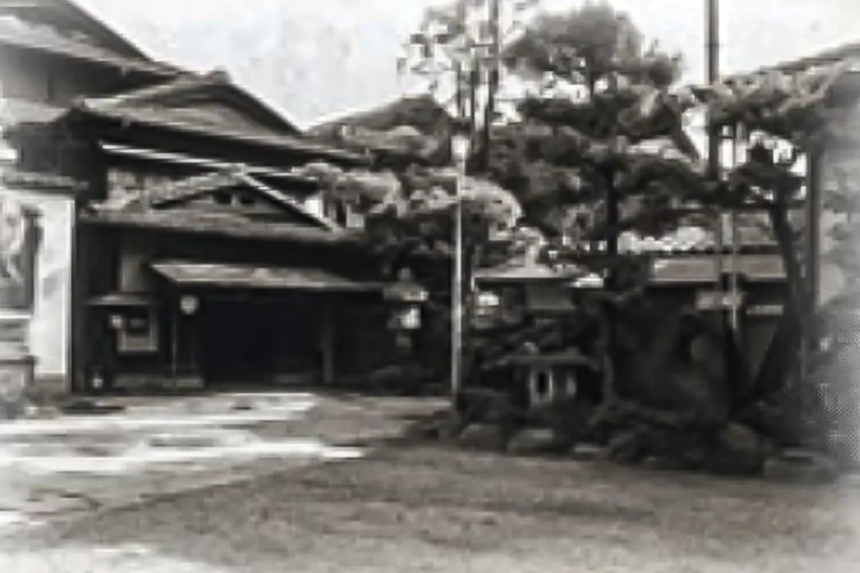
Founded in 1899 (Meiji 32)
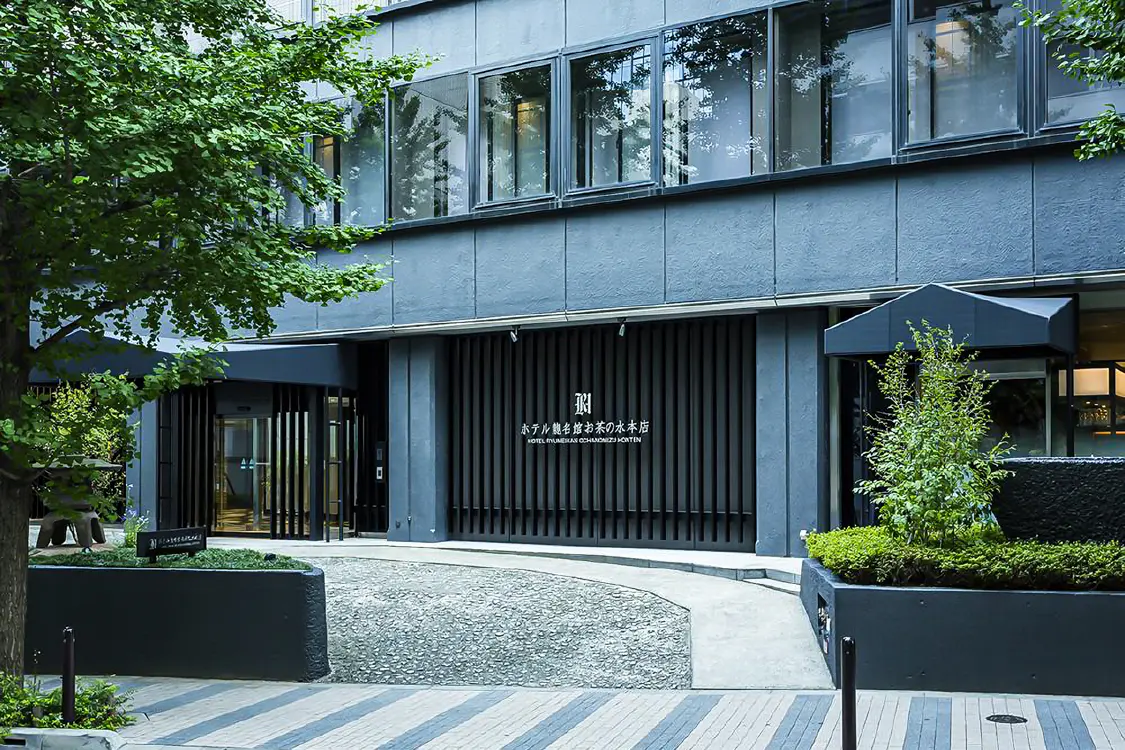
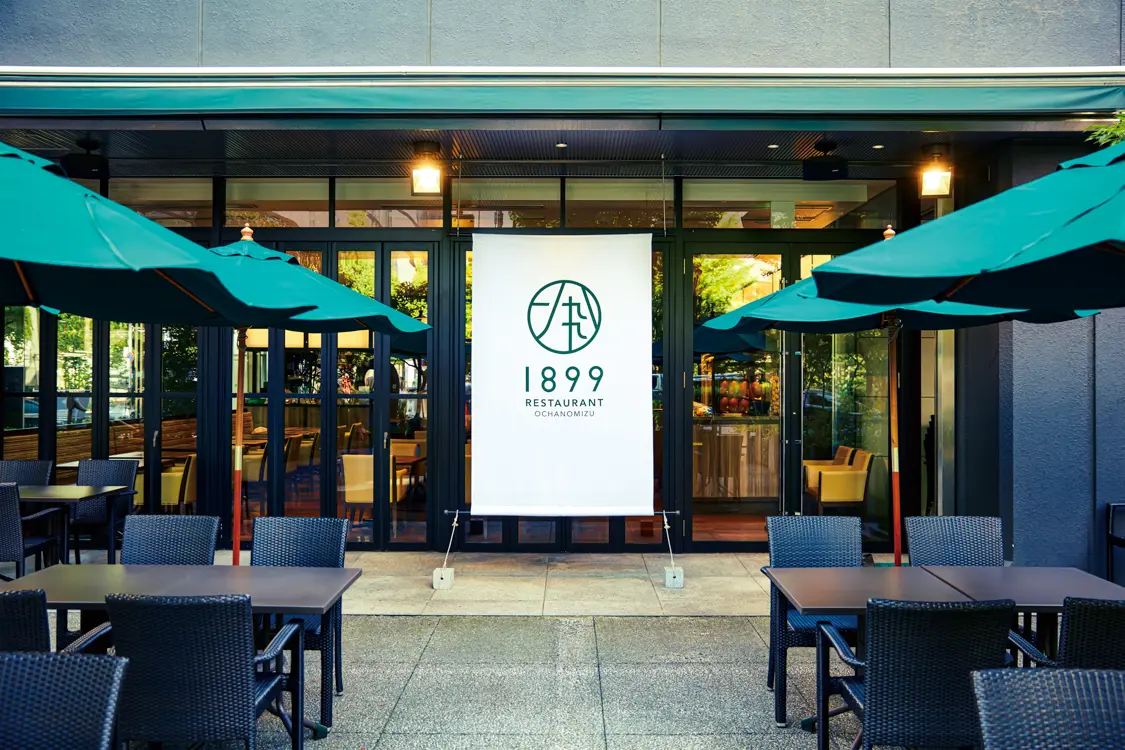
A luxury hotel where you can experience the beauty of ancient Japan
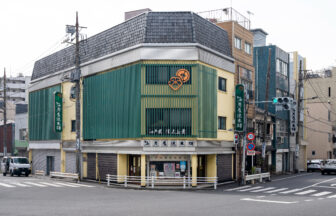
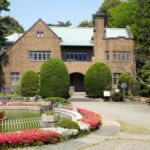
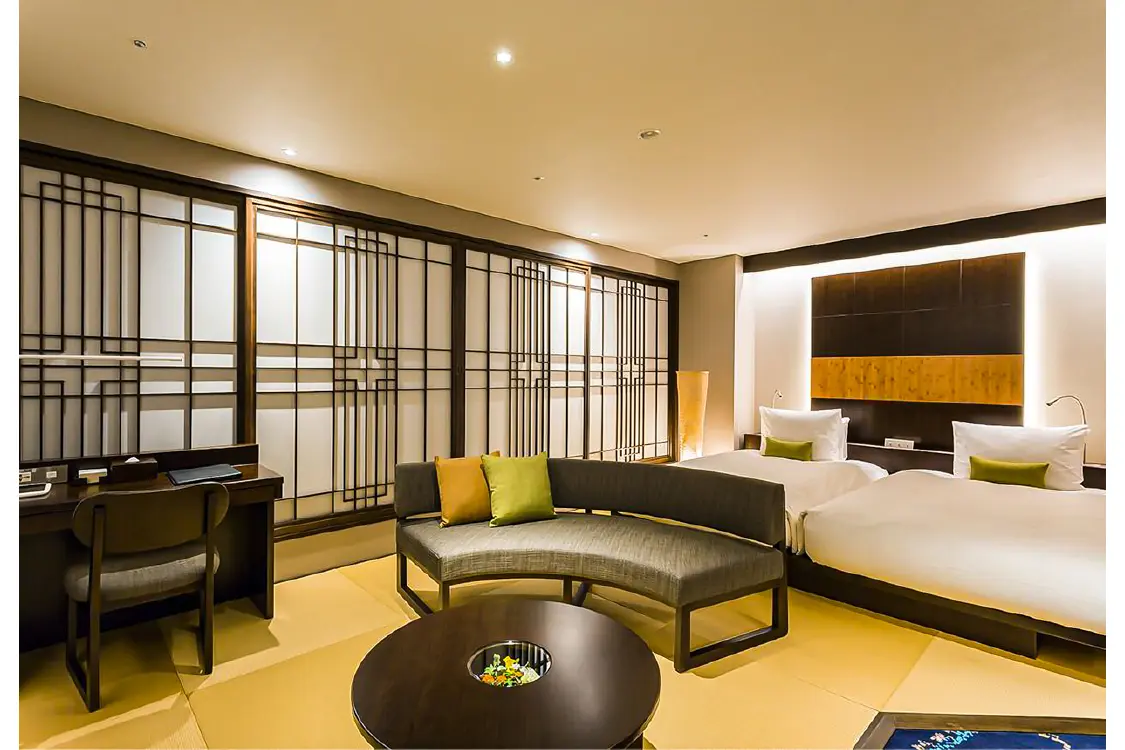
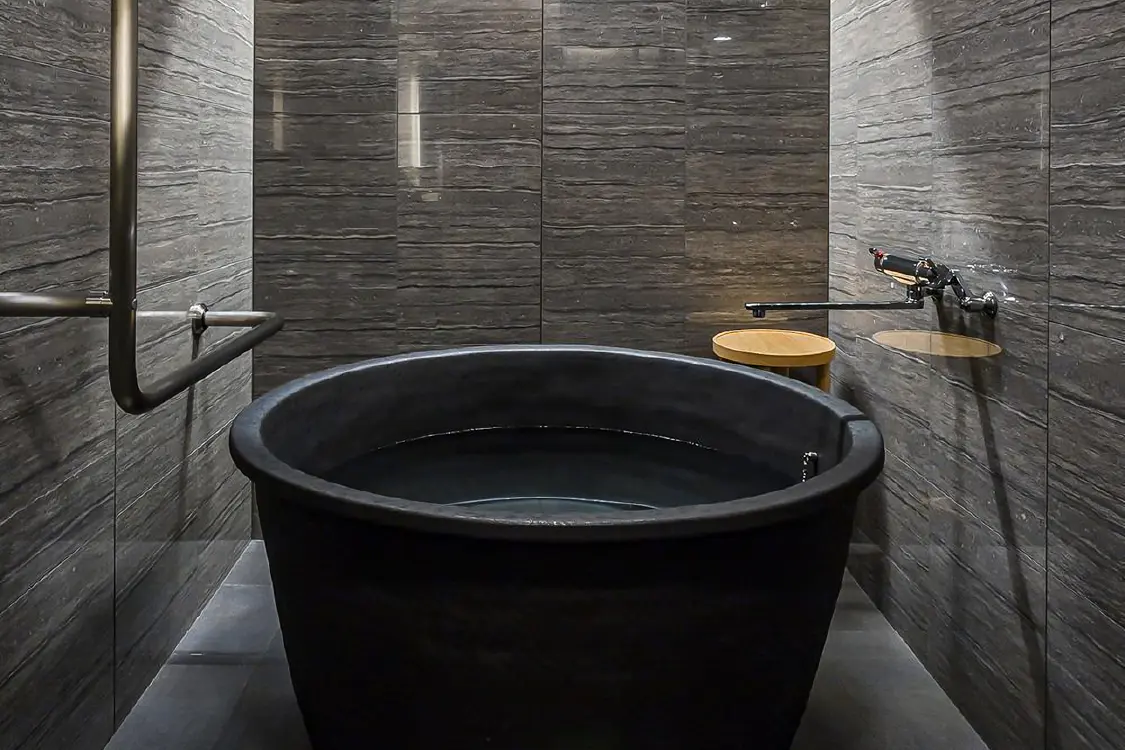
About a three‑minute walk from JR Ochanomizu Station, it reopened in 2014 as a Japanese‑style suite hotel with only nine rooms. The guest room design concept is “Tokyo‑style Japanese aesthetics.” The interiors feature elements preserved from the time of its founding, such as shoji screens, and ultramarine carpets in traditional Edo colors, creating an atmosphere filled with classic Japanese beauty. Another highlight is that every room is equipped with a Shigaraki‑ware ceramic bath, whose rough texture surprisingly fits the back comfortably and soothes the fatigue of the day. On the second floor, the library lounge offers a curated selection of books chosen by a book coordinator, allowing guests to relax with a drink. Breakfast at the restaurant “RESTAURANT 1899 OCHANOMIZU,” themed around tea and Japanese cuisine, is also well regarded, and the restaurant is available for lunch, tea time, and dinner as well.
History
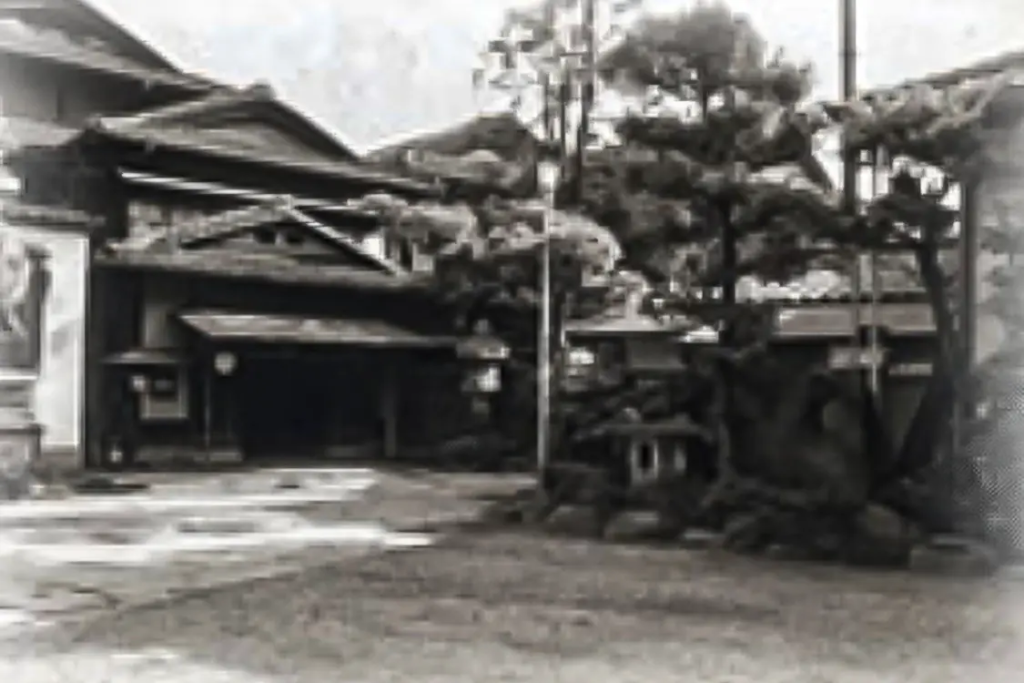
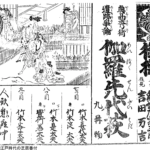
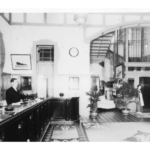
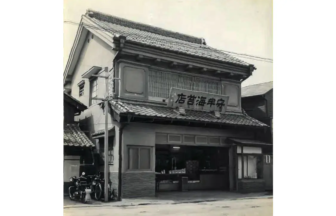
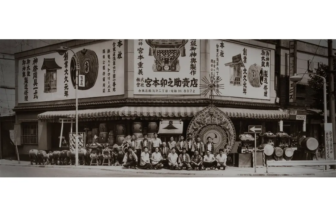
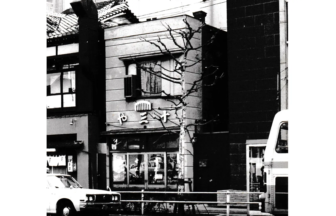
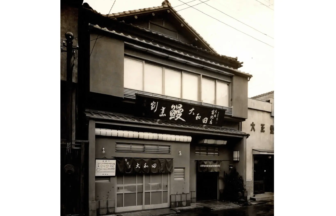
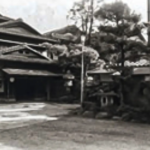
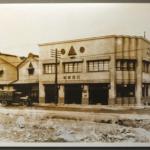
Founded in 1899 by the first-generation Uhei Hamada as a branch of the Naguraya Ryokan, which had operated since the Edo period in Nihonbashi Muromachi, the original “Ryokan Ryumeikan Main Branch” opened in Minami-Kogacho, Kanda Ward (now Kanda Surugadai, Chiyoda Ward). At that time, Ryumeikan was a two‑story Japanese‑style inn with all rooms facing the garden. A Western‑style building was also constructed in one corner of the garden, serving Western cuisine, which was still rare at the time. Its forward‑thinking approach and refined design earned high praise and made it beloved by many cultural figures. After surviving the Great Kanto Earthquake and World War II, it was rebuilt and renamed “Hotel Ryumeikan Ochanomizu Honten” in 2014. All nine rooms were renovated into suites designed with international guests in mind. Together with its branch near Tokyo Station, “Hotel Ryumeikan Tokyo,” it has also been featured in the Michelin Guide.
Focus here
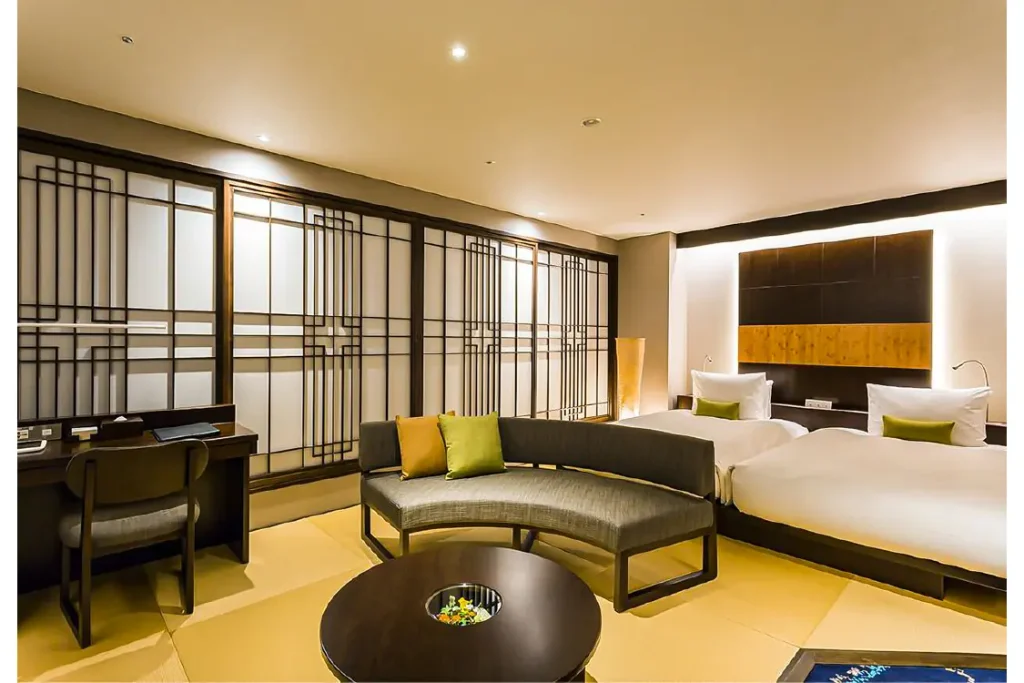
Standard Room
65,000 yen per room (up to 2 guests)
A beautifully balanced blend of Japanese and Western design, the Standard Room offers a spacious sofa where you can relax in comfort. The bed features the “Larkowl” mattress by Iwata, providing a breathable sleep in summer and warmth without chill in winter, ensuring year‑round comfort.
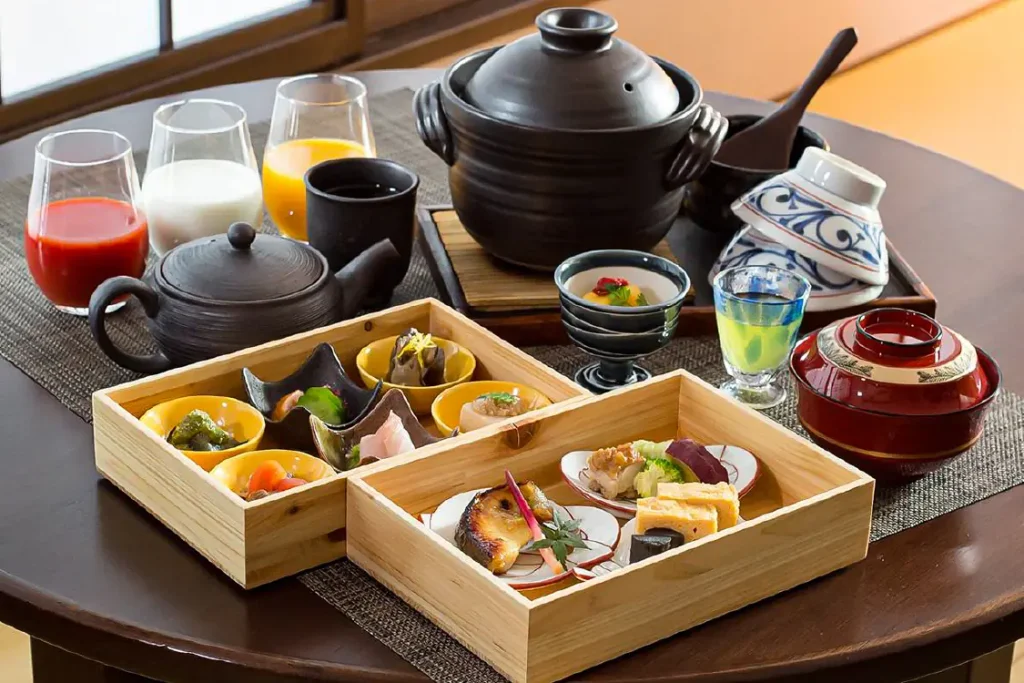
Ryū Gozen (Ryumeikan Special Set Meal)
3,300 yen
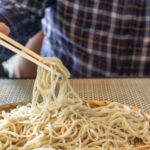
A Japanese‑style breakfast exclusively for hotel guests, crafted by the head chef of “RESTAURANT 1899 OCHANOMIZU.” It features seasonal side dishes, grilled fish, and the restaurant’s signature homemade tea‑leaf tsukudani, all designed to pair perfectly with premium Koshihikari rice.
IC)etc.
Spot Overview
| address (e.g. of house) | |
|---|---|
| phone | |
| Business Hours | |
| regular closing day | |
| Payment Method | |
| External Links |