Virudhaka (Buddhist deity)

temple (Buddhist)Asakusa (department store)

Virudhaka (Buddhist deity)(Matsuchiyama Shoden)

festivalroot

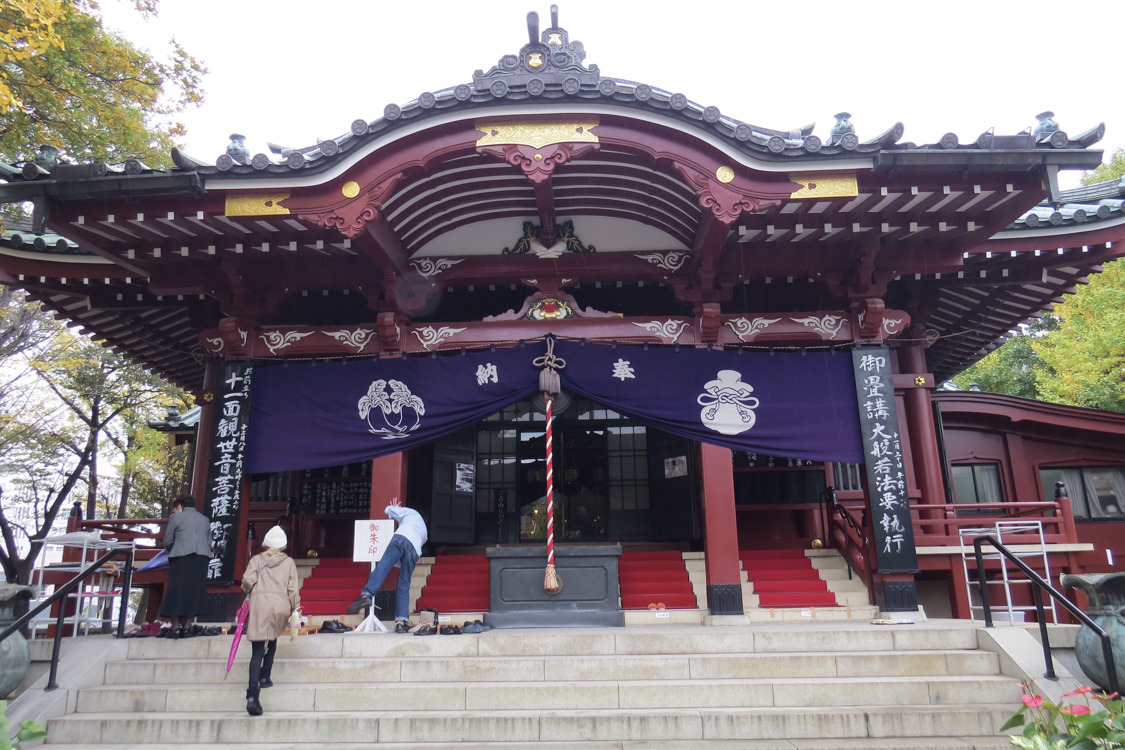
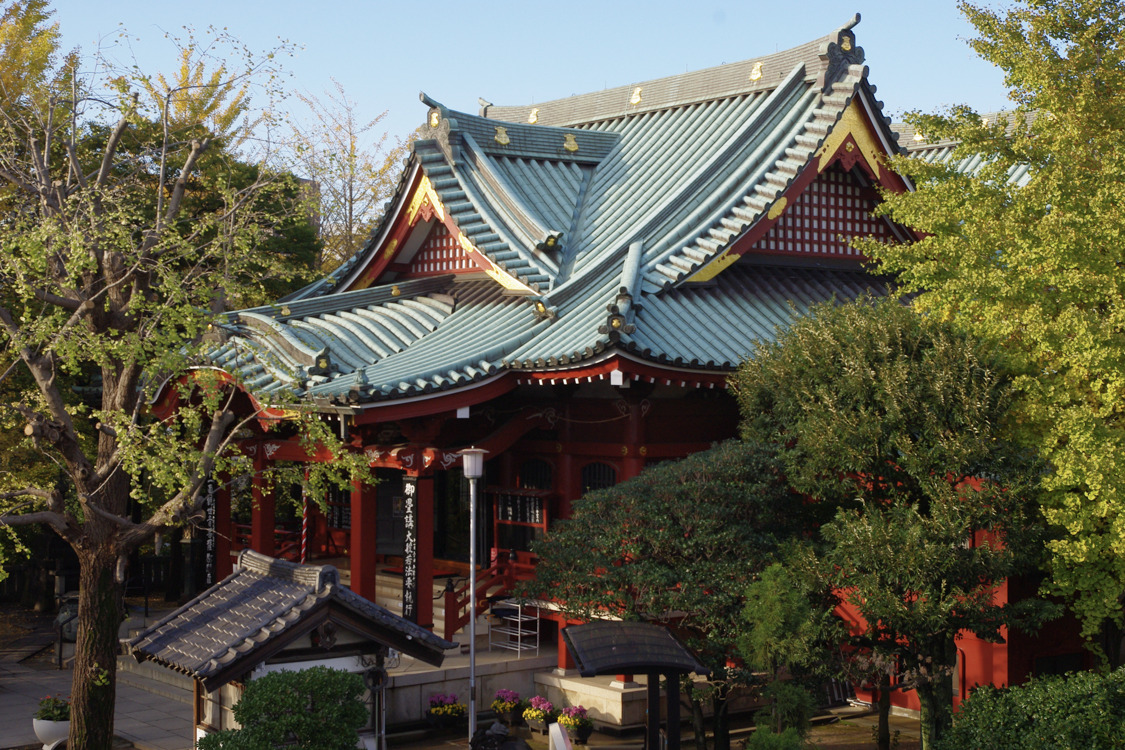
The temple has long been famous for granting people’s wishes and was the subject of many ukiyoe paintings and poems during the Edo period (1603-1868) because of the beauty of its view. The daikon radish (representing good health) and the kinchaku (symbol of prosperous business) are symbols of the principal deity, Seiten-sama. The temple is also known for its offering of daikon radishes, and the “Daikon Festival” held every January is a must-see. Bishamonten, one of the Seven Gods of Good Fortune of Asakusa’s Famous Places, is enshrined here. The paintings of dragons and celestial maidens on the ceiling of the main hall are also a must-see. Why not extend your visit to the nearby Sumida Park, where you can enjoy one of the most beautiful rows of cherry trees in Tokyo?

Spot OutlineOutline

address (e.g. of house) 7-4-1 Asakusa, Taito-ku, Tokyo
Access
phone 03-3874-2030
Business Hours 6:00~16:00
regular closing day nashi (Pyrus pyrifolia, esp. var. culta)
External Links

Official Web Site

Founding and opening of business 601 (9th year of Suiko)

新着・おすすめ情報

  1. bones left after cremation (esp. those of a Buddha or Boddhisatva)

  2. Otomeyama Park (Takadanobaba, Tokyo)

  3. Katsusenji Temple (Kitasenju, Tokyo)

  4. The same manufacturing method since the establishment of the company. Interview with Satoru Nakamura, 7th generation owner of Shirokiya Nakamura Denbei Shoten, who weaves Edo brooms using craftsmanship passed down from generation to generation .

  5. Katsusenji Temple Enma Opening in Kitasenju! A New Year’s tradition with stalls on the first Enma day

  6. swallowing a great amount of tea or medicine

  7. 【第22回】お寺とお蕎麦の切っても切れぬ関係

  8. Ruins of Otama-ga-ike Pond

  9. A parting gift for someone who is retiring or moving on. What is the market price, how to choose, and what is the etiquette for giving gifts?

  10. Sekiguchi Bashoan (Waseda, Tokyo)

  11. steamed fish-paste cake, sliced to decorate soup (type of kamaboko)

  12. 【第27回】粋な江戸蕎麦の食べ方とは

  13. Hanazono Shrine

  14. triangles of sweet rice jelly topped with adzuki beans (eaten in the sixth month)

  15. 【第19回】家庭でも美味しく乾麺の蕎麦を茹でる方法