Chinzan Villa

Ryokan/HotelIidabashi/Kagurazaka

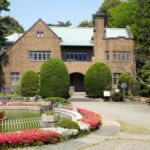
Chinzan Villa(Hotel Chinzanso Tokyo)

lightning bugdaimyo’s suburban residencewalkJapanese-style gardensea of clouds

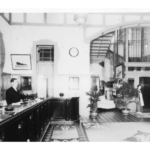
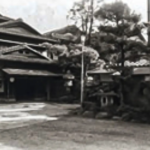
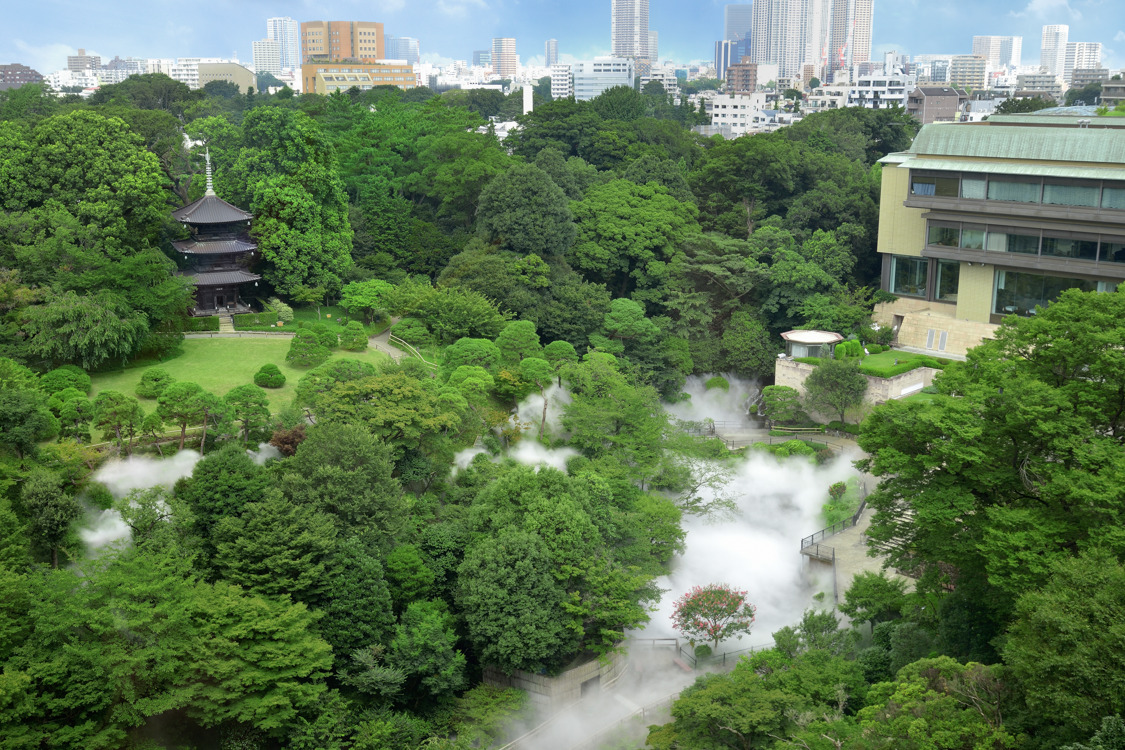
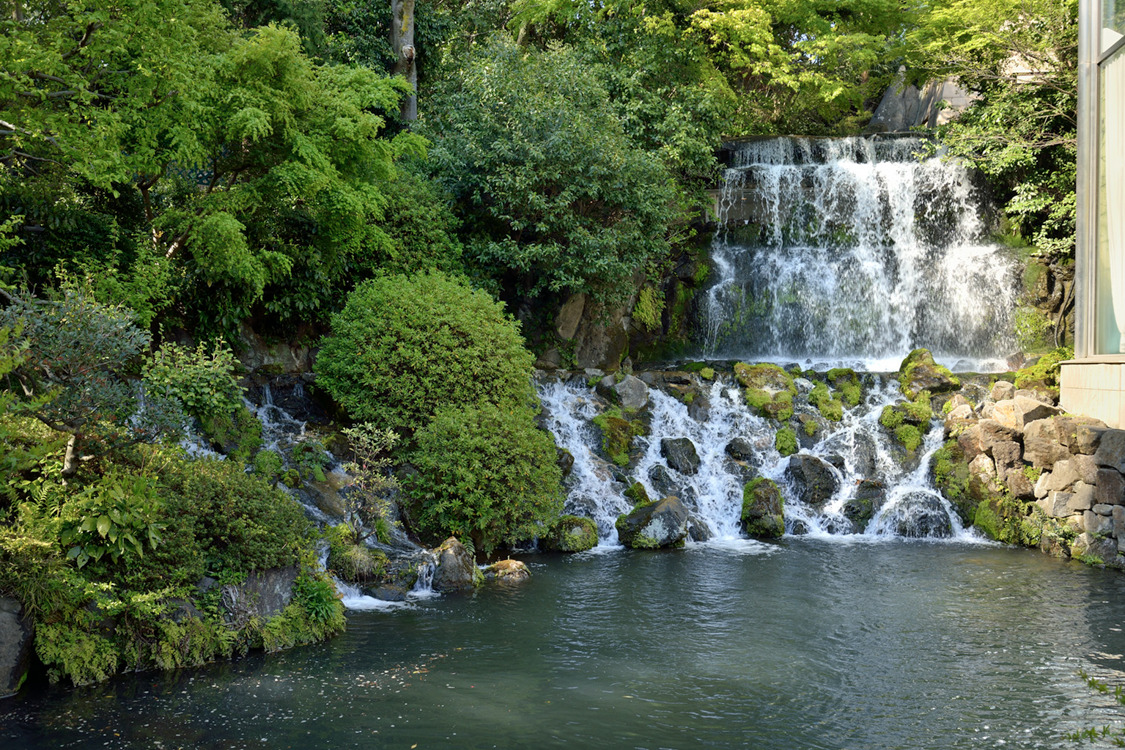
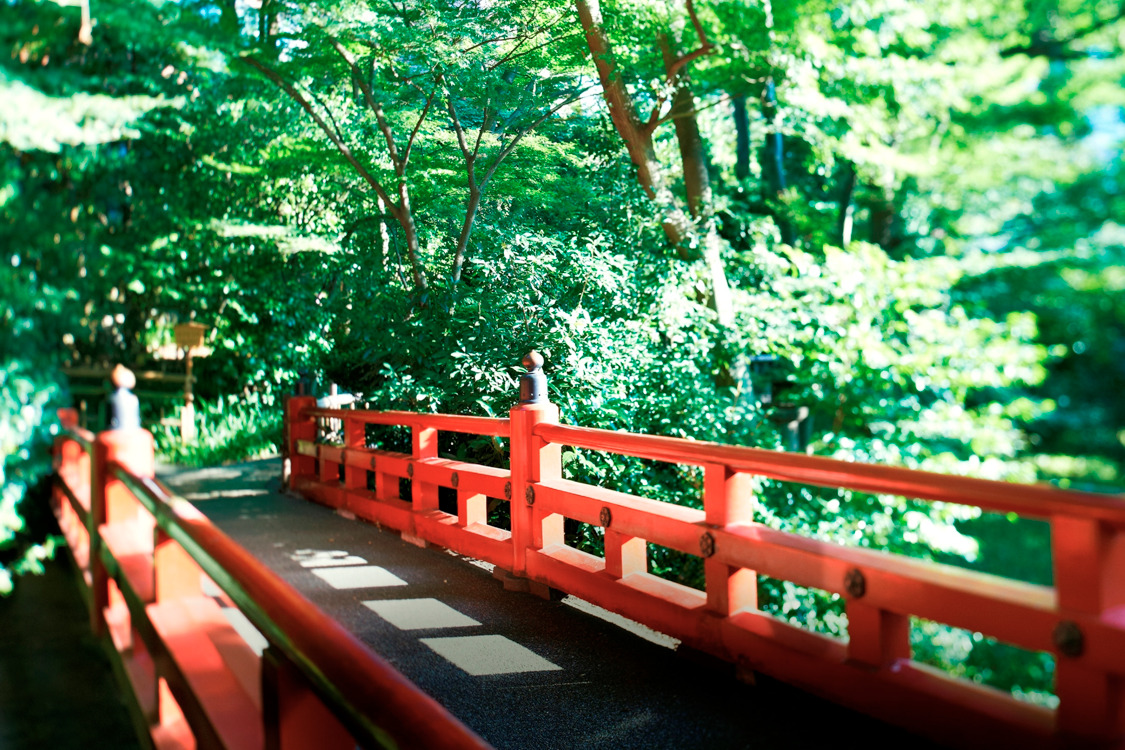
The location where Hotel Chinzanso Tokyo is located was a scenic spot where camellias had been growing wild and called “Tsubakiyama” since the Nanbokucho Period. In the Edo period (1603-1868), the site was the residence of the Kuroda family of the Joso Kururi domain. In 1878, the military and political leader Aritomo Yamagata purchased the site and built a garden and residence named “Chinzan-so”. The garden is open to visitors who stay overnight or use the restaurant. Fireflies in flight in May and June, and foggy displays of a sea of clouds are also popular.

Spot OutlineOutline

address (e.g. of house) 2-10-8 Sekiguchi, Bunkyo-ku, Tokyo
Access 10 minutes from Edogawabashi Subway Station

phone 03-3943-1111
regular closing day without a holiday
External Links

Official Web Site

Founding and opening of business 1952

新着・おすすめ情報

  1. The lineup of the “five musicians” also has a meaning.

  2. How were “Fresh Pack” and “Soup Stock” born? The source of the idea of the long-established dried bonito flakes shop “Nimben

  3. long sword

  4. Gotokuji Temple (Setagaya, Tokyo)

  5. Enoki mushroom (Hypsipetes amaurotis)

  6. Railroad starting point 0 leagues sign (Shinbashi, Tokyo)

  7. The same manufacturing method since the establishment of the company. Interview with Satoru Nakamura, 7th generation owner of Shirokiya Nakamura Denbei Shoten, who weaves Edo brooms using craftsmanship passed down from generation to generation .

  8. Eating Doze soup every day to check the taste. The current owner of Komagata Dozeu, a famous restaurant that has been in business since the Edo period, demonstrates his commitment to preserving the taste of his products.

  9. Okunitama Shrine (Fuchu, Tokyo)

  10. sake specially produced without added alcohol or sugar

  11. showy collar

  12. What does “Sarashina (soba)” mean and where did it originate?

  13. Tokyo Literature Walk] No. 1: Walking around Asakusa, a treasure house of modern literature

  14. yukata (light cotton kimono worn in the summer or used as a bathrobe)

  15. Enjyoji Temple (Hakusan, Tokyo)