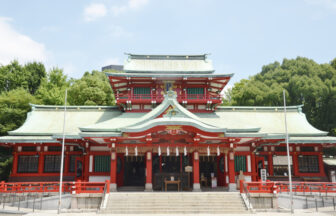
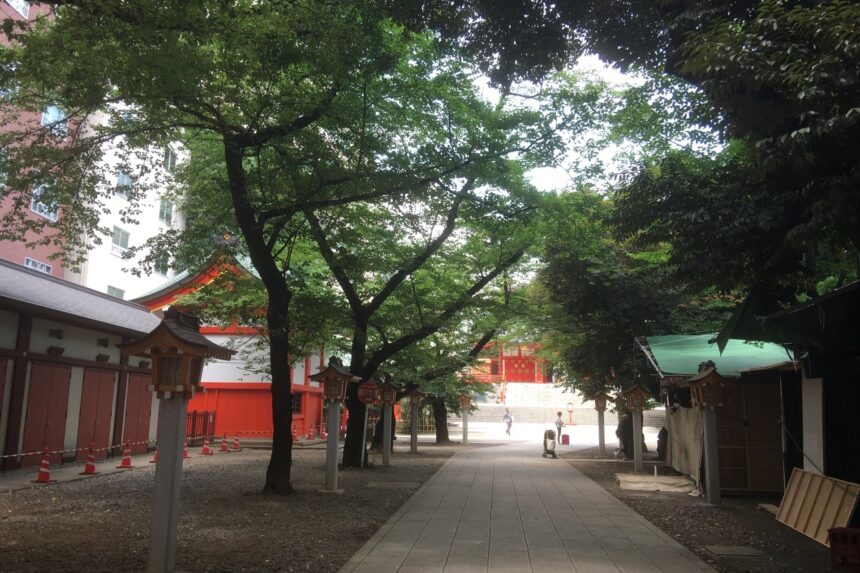
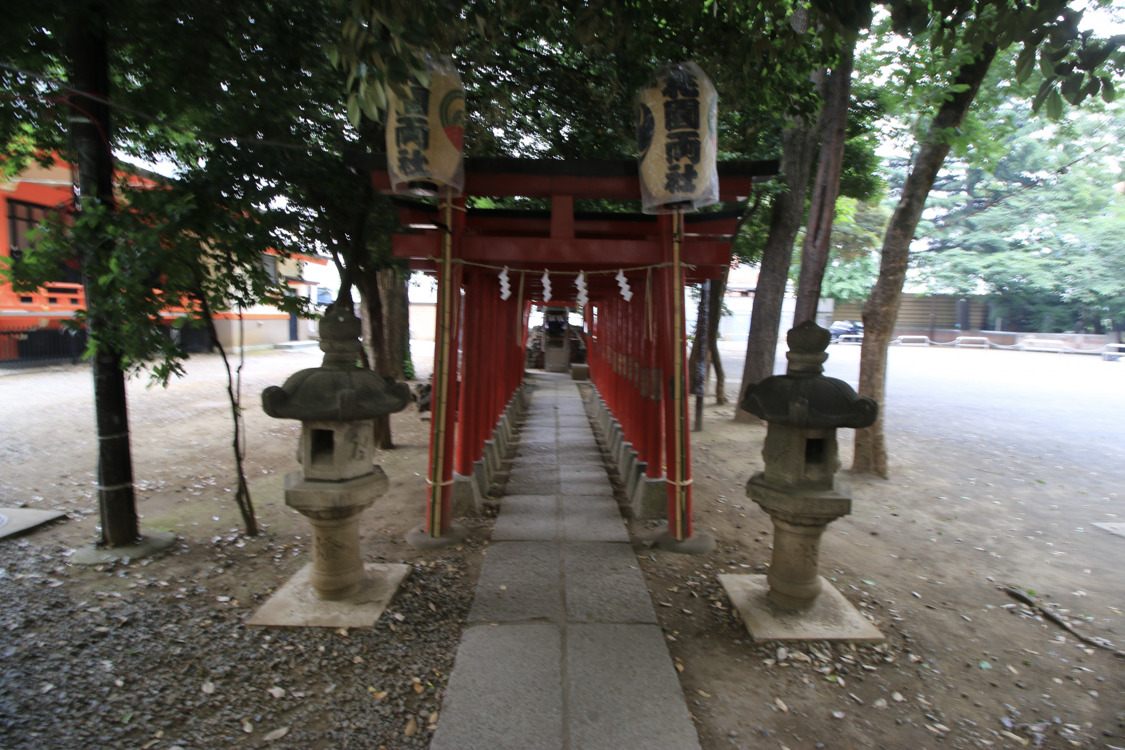
Hanazono Shrine

Shinto shrineShinjuku, Nakano

Hanazono Shrine(Hanazono-shrine)

cherry treestrolling on the streetBird Day Fair (held at Otori Shrine on each Day of the Bird in November)

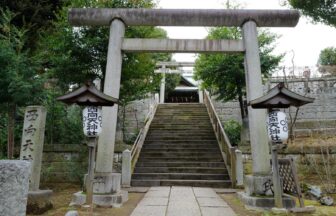
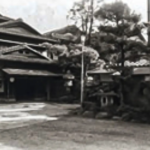
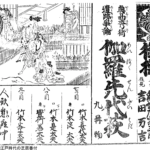
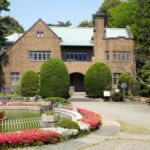
The shrine is located near Kabukicho, Shinjuku, Tokyo, the most sleepy town in Japan. The shrine has been enshrined as the chief guardian of Shinjuku since before the Edo Shogunate. There is also the “Itoku Inari Shrine,” which is blessed for conjugal harmony, child bearing, and marriage, and the “Geino Sengen Shrine,” which enshrines the god of performing arts, and is known to be visited by many entertainers. The monument to Keiko Fuji, a Showa-era singer, is also a must-see. In addition, a large-scale rooster market is held every November, attracting about 600,000 people, who enjoy tricky performances at the famous freak show among other attractions.

Spot OutlineOutline

address (e.g. of house) 5-17-3 Shinjuku, Shinjuku-ku, Tokyo
Access 7 minutes from Shinjuku-Sanchome Subway Station, 10 minutes from JR/Subway Shinjuku Station

phone 03-3209-5265
External Links

Official Web Site

Founding and opening of business Before 1590 (details unknown)

新着・おすすめ情報

  1. Japanese yam (Dioscorea japonica)

  2. The characteristics of “koshu” (old sake) explained [Words related to sake].

  3. Katsusenji Temple Enma Opening in Kitasenju! A New Year’s tradition with stalls on the first Enma day

  4. showy collar

  5. short sword

  6. light crimson (dye)

  7. What is “Uguisumochi”? Which season is it?

  8. 日本橋

  9. Mifune Festival (Kagoshima-Miyazaki-Fukuoka Festival, held annually on May 15)

  10. Where does “Mikosui” come from? What are its characteristics? Words related to sake

  11. Goryo Festival Return Ceremony

  12. What is the origin of the name “Yamato Doll”? What kinds of dolls are there?

  13. What is the origin of the name “Kintsuba”? How is it written in kanji?

  14. straight sword

  15. Smoked Saikyo pickles have evolved into a snack for alcoholic beverages. The insatiable spirit of challenge at the long-established “Tsuta-no-ie