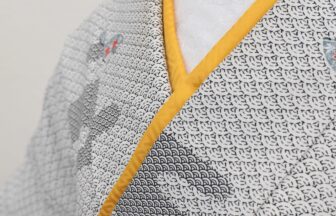
silk gauze

Japanese clothing

silk gauze(usumono/usumono)

Japanese clothesclothing

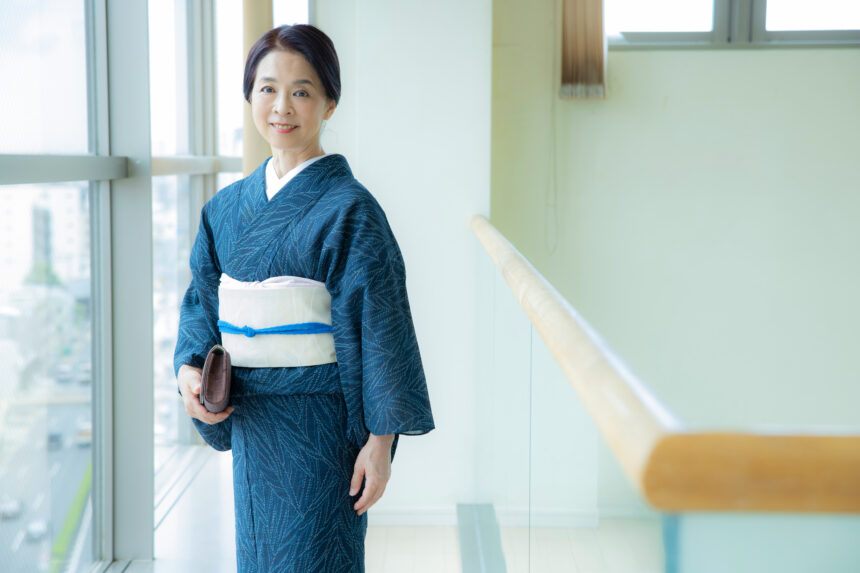
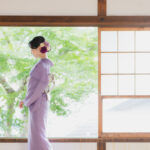
Rho (silk gauze). (A fabric that is so coarse that there are gaps in the fabric, allowing for good air permeability. (A fabric that is more transparent than “ro” and more comfortable to wear), and “jofu” (a high-quality linen fabric woven plainly with fine linen threads). A kimono made of coarsely woven warp and weft yarns and tailored without a lining, such as a fine linen woven with fine hemp threads. It is worn mainly in July and August. Many kimonos have cool colors and patterns with water or other motifs to create a sense of coolness. It is best to choose an obi and accessories with a translucent feel and cool colors to match the kimono.

新着・おすすめ情報

  1. Omori Shell Mound Site Garden

  2. Ningyocho Shinota Sushi Head Office, a long-established sushi restaurant serving inari sushi. What changes with the times, and what never changes.

  3. Chomeiji Temple (Mukojima, Tokyo)

  4. Ginza Suze Jizo Son (Ginza, Tokyo)

  5. Tobifudo Shohoin Temple (Minowa, Tokyo)

  6. Fuzoku ningyo” are dolls that reflect the customs of various regions in Japan. There are Edo genre dolls, Kyoto dolls, etc.

  7. Nishimukai Tenjinsha (Shinjuku, Tokyo)

  8. Inheriting the craftsmanship of making each toothpick one by one. Commitment to “Nihonbashi Saruya,” the only toothpick specialty store in Japan

  9. 【第8回】江戸時代から語られるぶっかけの由来と食べ方指南

  10. Jindaiji Temple (Chofu, Tokyo)

  11. What does “Sarashina (soba)” mean and where did it originate?

  12. Tokyo Literature Walk] No. 1: Walking around Asakusa, a treasure house of modern literature

  13. 【第5回】東京から静岡へ 蕎麦店の系譜と受け継がれる蕎麦作りの伝統

  14. The first “in-house work of a samurai”. Yoshinoya Shoten” has been lighting up the nights of Japan with Edo lanterns for 168 years.

  15. straight sword