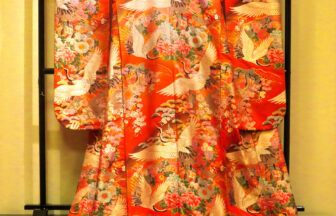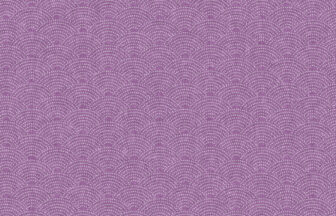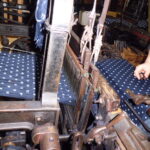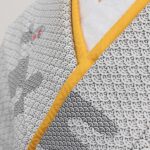
method of patterning traditional Japanese clothing (the tops of all of patterns being pointed downwards)

Japanese clothing

method of patterning traditional Japanese clothing (the tops of all of patterns being pointed downwards)(tsukesage/tsukesage)

Japanese clothesclothing

A kimono tailored from a fabric that already has a pattern. It has patterns on the shoulders, chest, sleeves, waist, and hem, but the patterns are fewer than those of the visiting kimono and are not connected. It is between the visiting kimono and the komon or colorless kimono. It is said that this type of kimono was made as a substitute for the extravagant visiting gown during the war, when it was prohibited to wear them. It is not as glamorous as the visiting gown, but can be worn as a going-out dress. It can also be worn with an obi and other accessories to change the atmosphere, making it suitable for a variety of occasions. It can be worn by both unmarried and married couples.

新着・おすすめ情報

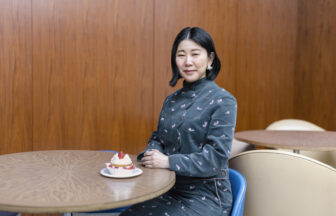
  1. Umezono, a long-established sweet shop in Asakusa: From awa-zenzai to dora-soft (soft rice cake), “80% on the defensive, 20% on the offensive” wins the hearts of young people.

  2. ratio indicating the quantity of polished rice gained from a given quantity of brown rice (nowadays usually expressed as a percent)

  3. chopped kabayaki eel on rice

  4. 【第23回】蕎麦屋店主が考える真の蕎麦「通」の定義

  5. Where does “Mikosui” come from? What are its characteristics? Words related to sake

  6. What is meant by “santai zorai” offered for the May dolls?

  7. Responding to customer requests leads to innovation. Leading dairy products company “Nakazawa Dairy Co.

  8. They also restore ancient musical instruments used in traditional performing arts. Okadaya Fuse’s Struggle to Preserve Traditional Japanese Culture

  9. The same manufacturing method since the establishment of the company. Interview with Satoru Nakamura, the 7th generation of Shirokiya Nakamura Denbei Shoten, who weaves Edo brooms using craftsmanship passed down from generation to generation .

  10. What is Gunkanmaki? Origin of the name, store of origin

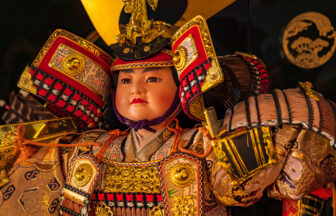
  11. Kabuto decorations for Dragon Boat Festival. Models of military commanders from the Warring States period are popular.

  12. swallowing a great amount of tea or medicine

  13. Rikugien

  14. one-piece sash

  15. What is nigori sake? There are multiple types and flavors of nigori sake.