stalk (of a mushroom, leaf, etc.)

armour

stalk (of a mushroom, leaf, etc.)(tsuka/tsuka)

Japanese sword

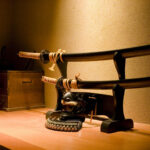
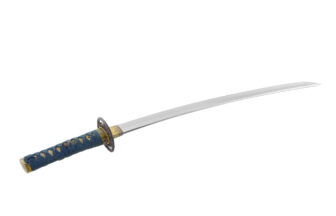
The term refers to the part of the sword that is held by the hand. Inside the hilt is the “stem (nakago, the part of the sword blade to hold). The handle contains the “nakago” (the part of the blade that is held by the hand). Most swords are made of wood, often of magnolia, which is also used for the scabbard.
The handle is wrapped with a leather cord or braided string, which reinforces the handle and makes it comfortable to hold and prevents slipping. There are various techniques for pattern winding, such as “rhombus winding,” in which the pattern is wound into a diamond shape, and “tsukumaki,” in which the overlapping threads of the pattern are plucked to make it taller.

新着・おすすめ情報

  1. 【第21回】古文書から紐解く江戸につながる「そば切り」の伝承

  2. Shirokiya Denbei, a long-established shop of all-natural, 99% handmade Edo-style brooms. Why has the tradition been preserved for nearly 200 years?

  3. Kazari-uma” decorated on Children’s Day. What kind of vehicle is the white horse considered to be?

  4. day of the ox in midsummer (during the hottest season)

  5. Eating Doze soup every day to check the taste. The current owner of Komagata Dozeu, a famous restaurant that has been in business since the Edo period, demonstrates his commitment to preserving the taste of his products.

  6. Imado Shrine (Asakusa, Tokyo)

  7. Musashino Central Park (Musashino, Tokyo)

  8. Nihonbashi Saruya is the only toothpick specialty store in Japan. Once you use it, you will never go back to ordinary toothpicks.

  9. 【第20回】家庭でも美味しく生麺の蕎麦を茹でる方法

  10. Aoyama Cemetery (Minami Aoyama, Tokyo)

  11. 三島神社(東京・鶯谷)

  12. 【第13回】江戸で蕎麦が流行って定着した理由

  13. Asukayama Park

  14. mixture of boiled beans, jelly cubes, fruit pieces and molasses

  15. Tips for enjoying “summer kimonos” in a cool and fashionable way.