someone who is unable to apply what they have read

Japanese clothing

someone who is unable to apply what they have read(Ohashori)

Japanese clothesclothing

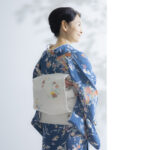
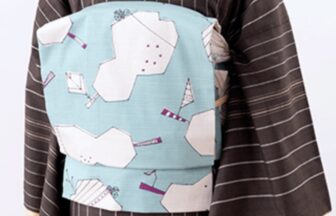
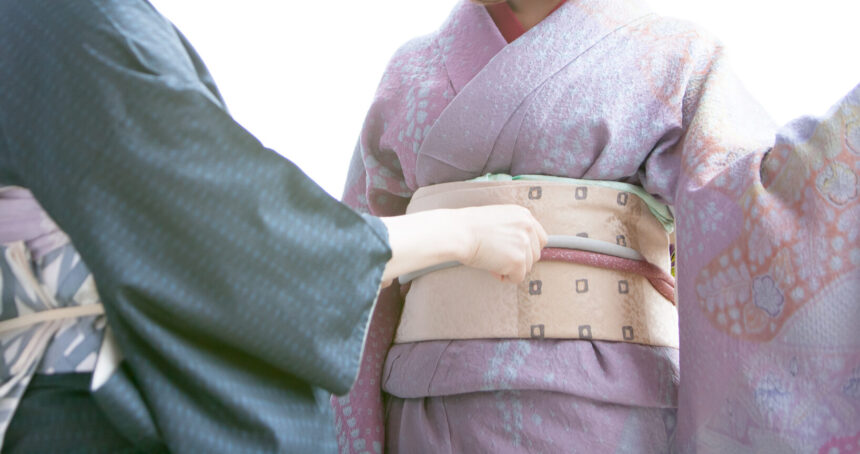
When wearing such a kimono, it is folded over at the waist to adjust the length, which is called “Ohataori. The folded part is also called “ohataori. The obi is fastened over the ohata-fold, and it is considered to be in good shape when it protrudes 6 to 7 cm (about the length of your finger) from the bottom of the obi. The length of the kimono can be adjusted when the height of the wearer grows or the hem of the kimono becomes damaged. Until the early Edo period, kimonos were tailored at the length of the kimono, but gradually the length of the kimono became longer, and when going out, kimonos were worn with the hem of the kimono lifted up by an obi sash, called “hem karaage. It was not until the middle of the Meiji period (1868-1912) that people began to wear kimonos with the omakage as we do today.

新着・おすすめ情報

  1. Eating Doze soup every day to check the taste. The current owner of Komagata Dozeu, a famous restaurant that has been in business since the Edo period, demonstrates his commitment to preserving the taste of his products.

  2. pickled ginger

  3. Nara Ningyo” is characterized by the powerful touch of a single sword digging. What is the meaning behind it?

  4. Japanese yam (Dioscorea japonica)

  5. The simple taste of Kototoi dumplings that you never get tired of no matter how many times you try them.

  6. What does a “prop maker” do? The Craftsman Who Creates Puppets Series

  7. Zenkokuji Temple (Kagurazaka, Tokyo)

  8. 【第25回】七十五という数字にまつわる蕎麦の話

  9. Where does “Mikosui” come from? What are its characteristics? Words related to sake

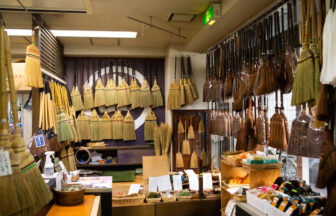
  10. The same manufacturing method since the establishment of the company. Interview with Satoru Nakamura, 7th generation owner of Shirokiya Nakamura Denbei Shoten, who weaves Edo brooms using craftsmanship passed down from generation to generation .

  11. end of the year

  12. Monument to Kunikida Doppo (Mitaka, Tokyo)

  13. 京都でも最古の歴史を持つ「松井酒造」。日本酒づくりを軸に展開する、革新的な取り組み

  14. Why display “Armor Decorations” on Dragon Boat Festival. Armor is not for fighting…

  15. Hanamaki soba