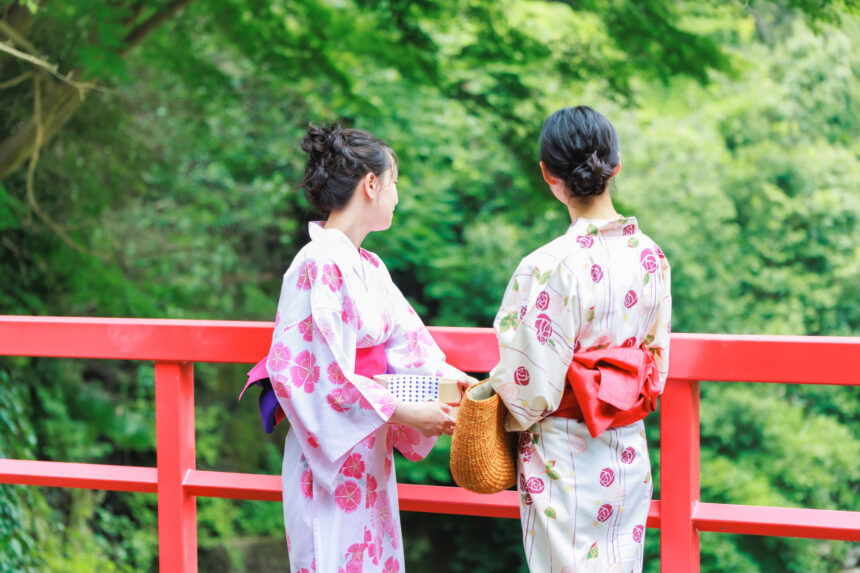
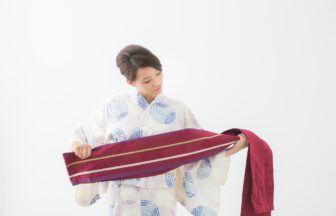
yukata (light cotton kimono worn in the summer or used as a bathrobe)

Japanese clothing

yukata (light cotton kimono worn in the summer or used as a bathrobe)(Yukata)

festivalclothingfireworks

Originally, it was an abbreviation of “yukatabira,” a single linen garment worn by aristocrats during the Heian period (794-1185) when taking a bath. In the Edo period (1603-1867), it came to refer to a cotton kimono worn after bathing. It has been used for bathing, loungewear, and nightwear, and is now also worn at summer festivals and Bon dances. Until recently, most yukata were white and indigo-dyed or navy blue, but today they are enjoyed by the younger generation as casual summer kimonos in a variety of colors, patterns, and dress styles.

新着・おすすめ情報

  1. vinegared rice and sliced raw tuna wrapped in seaweed

  2. 【第2回】美味しい蕎麦屋を見分けるコツは、お客様の「姿勢」を見ること

  3. lay or stretch out to dry

  4. Tama Cemetery (Fuchu, Tokyo)

  5. Developing original materials with attention to detail, starting from the fabric. Shukusen, a long-established manufacturer of yukata loved by kabuki actors in the Edo period [Part 1

  6. stalk (of a mushroom, leaf, etc.)

  7. 【第17回】「田舎蕎麦」と「更科蕎麦」の違いとは

  8. What does “agari” mean? Its origin is also explained.

  9. Enmeiji Temple, Jizo (a jizo that cuts off the head) / Kozukabara Penitentiary Site (Minami-Senju, Tokyo)

  10. Former Kusuo Yasuda Residence Garden (Sendagi, Tokyo)

  11. Sekiguchi Bashoan (Waseda, Tokyo)

  12. Okadaya Fuse” has a history of 188 years.

  13. A Walk in Edo with Old Maps] No. 6: Kagurazaka is full of historical attractions. From alleys where you can feel the Edo period to wooden buildings of the Showa period

  14. halberd

  15. Tomioka Hachimangu Shrine