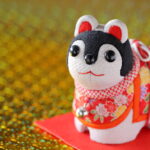
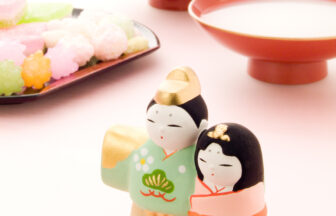
Fuzoku ningyo” are dolls that reflect the customs of various regions in Japan. There are Edo genre dolls, Kyoto dolls, etc.

puppet

Fuzoku ningyo” are dolls that reflect the customs of various regions in Japan. There are Edo genre dolls, Kyoto dolls, etc.(fuzokuningyo)

traditional craft

Dolls reflect the customs of various regions of Japan. The origin of these dolls is said to date back to the Heian period (794-1185). The best known examples are Edo genre dolls made in Edo, the center of culture and politics at the time when the shogunate was established, and Kyoto dolls made in Kyoto, where the imperial court was established for a long time and a unique culture was built. The subjects of these dolls include Noh, Kyogen, Kabuki, Japanese dance, and prostitutes. The process of making dolls is often divided into detailed divisions of labor.

新着・おすすめ情報

  1. end of the year

  2. unlined kimono

  3. Enmeiji Temple, Jizo (a jizo that cuts off the head) / Kozukabara Penitentiary Site (Minami-Senju, Tokyo)

  4. Jindaiji Temple (Chofu, Tokyo)

  5. Setagaya Joshi Park (Setagaya, Tokyo)

  6. beef sinew stewed in miso and mirin

  7. Japanese dessert consisting of two slices of kasutera (sponge cake) with red bean jam in between

  8. A Walk in Edo with Old Maps] No. 2: Kyobashi and Ginza from the Edo Period to the Heisei Era Traced by Rivers

  9. Itsukaichi Constitution Draft Monument (Akiruno, Tokyo)

  10. type of soft Japanese confectionery made with rice flour (somewhat similar to Turkish delight)

  11. undershirt

  12. Monument to Kunikida Doppo (Mitaka, Tokyo)

  13. Suddenly, at the age of 25, he became the president of the company. Steps of the 8th generation of “Nihonbashi Benmatsu Sohonten,” Japan’s oldest bento shop.

  14. kimono wrapping paper

  15. They also restore ancient musical instruments used in traditional performing arts. Okadaya Fuse’s Struggle to Preserve Traditional Japanese Culture