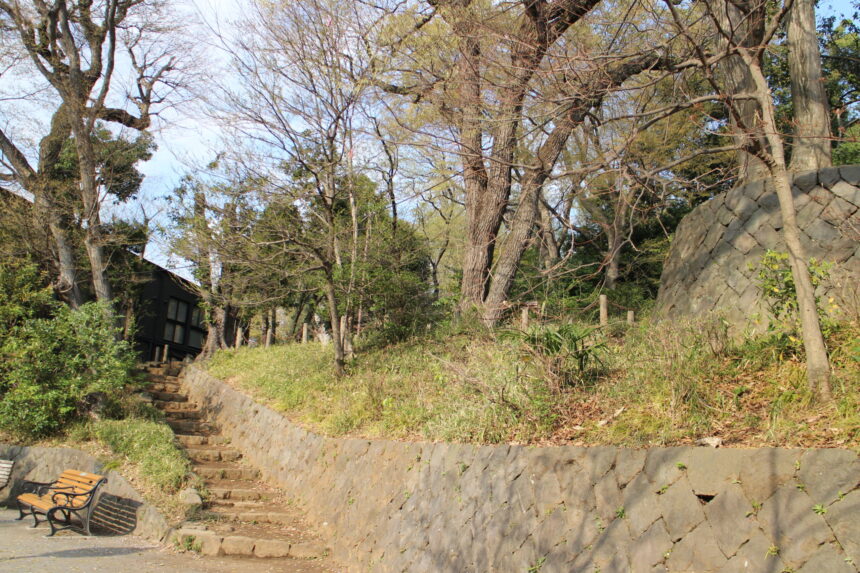
Setagaya Joshi Park (Setagaya, Tokyo)

historic siteOK with childrenhistoric ruins (remains, relics)Meguro, Setagaya

Setagaya Joshi Park (Setagaya, Tokyo)(Setagaya Castle Park)

100 famous views of SetagayacastleTokyo Metropolitan Government Designated Cultural PropertiesToyotomi Hideyoshi

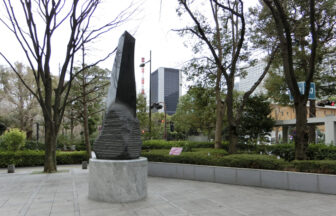
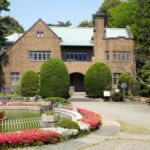
The park occupies the area around the southeastern end of Setagaya Castle and is the only historical park in Setagaya Ward. It is said that Setagaya Castle was originally built by the Kira clan in the Nanbokudo period (14th century), when the first Kira clan received the Setagaya fief in Musashi Province from Ashikaga Motoji, the Kanto governor. 1590 (Tensho 18), when Toyotomi Hideyoshi destroyed the Hojo clan in Odawara, the castle was closed because the Kira clan was also related to the Hojo clan. In the park, long and narrow earthen mounds and moats, as well as a wall rising high above the ground, still remain today. The area is covered with a lot of greenery and has been selected as a Tokyo Metropolitan Government-designated cultural asset and one of the Setagaya 100 scenic spots. The nearby Gotokuji Temple, which is associated with the Kira clan, is also a good place to visit as a set.

Spot OutlineOutline

address (e.g. of house) 2-14-1 Gotokuji, Setagaya-ku, Tokyo
Access 5 min. walk from Miyanosaka Station on Setagaya Line

Founding and opening of business 1940 (Showa 15)

新着・おすすめ情報

  1. Sword eyelets become one-of-a-kind accessories. Nihon Katana, a long-established store specializing in swords that you can enjoy even if you are not an enthusiast.

  2. When do we display the “Akumayumi” outside of Children’s Day? Explanation of its origin

  3. Eitaro Fuhonshop located at the foot of Nihonbashi Bridge. Traditional techniques and a desire to “create new wagashi

  4. Mori Garden (Roppongi, Tokyo)

  5. Bank of Japan

  6. Shiba Grand Shrine (the inner shrine of Ise Shrine)

  7. just after fall

  8. Edo Bekko-ya” continues to deal with rare materials. Craftsmanship and another thing we cherish

  9. For over 300 years in Nihonbashi, we have continued to develop products that meet the needs of the times. Long-established “Nimben” dried bonito flakes

  10. 【老舗ご当主・識者と歩く】日本推しラトビア人アルトゥルさんと虎ノ門−新橋の老舗をめぐる

  11. Yamamoto-Tei (aristocratic group of pious men)

  12. Tsutanoya” was established in 1937 and supports Japan’s fish-eating culture with its delicious taste. What is “Kyoka-zuke”, an evolution of Saikyo-zuke?

  13. Former Asakura Residence

  14. Kasai Shrine (Kanamachi, Tokyo)

  15. Definitions of “Daiginjo-shu” and “Junmai Daiginjo-shu” [Words Related to Sake].