Rikugien

Parks & GardensUeno, Yanaka, Nippori

Rikugien(Rikugien Gardens)

cherry blossom viewing(architectural) floodlightingwalk

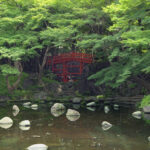
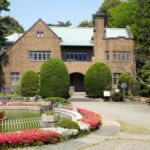
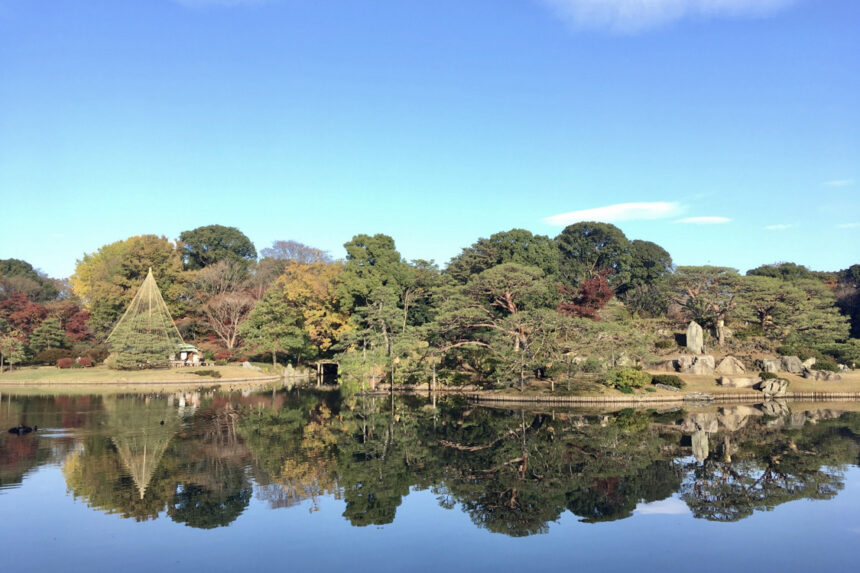
This is a feudal lord’s garden built in 1695 by Yanagisawa Yoshiyasu, a close servant of the fifth shogun, Tokugawa Tsunayoshi, on land given to him by Tsunayoshi as a subordinate residence. Yoshiyasu Yanagisawa designed and directed the garden himself, dug a pond and built a mountain, and over a period of seven years, created a garden with a circular garden with a mountain fountain. It is a vast site of approximately 87,000 m2, and is considered one of the two largest gardens in Edo (Tokyo) together with Koishikawa Korakuen Garden. The name of the garden derives from “Rikugi,” a Chinese classification system of Chinese poems, which was adapted to waka poetry by Kikanuki. The garden has been designated as a Special Place of Scenic Beauty by the national government, and is famous for azaleas that bloom from April to May and weeping cherry trees, the symbol of the garden, which offer beautiful scenery in every season.

Spot OutlineOutline

address (e.g. of house) 6 Honkomagome, Bunkyo-ku, Tokyo
Access
7 min. walk from JR/Subway Komagome Station, 10 min. walk from Subway Sengoku Station
phone 03-3941-2222
Business Hours 9:00-17:00 (admission until 16:30)
regular closing day Year-end and New Year holidays (December 29 – January 1)
External Links

Official Web Site

Founding and opening of business 1938 (Showa 13)

新着・おすすめ情報

  1. battledore (early form of badminton racket)

  2. Nitta Shrine (Musashishinden, Tokyo)

  3. What is “Katahira”? What kind of process is it? Words related to Sake

  4. Metropolitan Takiyama Park, Ruins of Takiyama Castle

  5. Sword eyelets become one-of-a-kind accessories. Nihon Katana, a long-established store specializing in swords that you can enjoy even if you are not an enthusiast.

  6. Akasaka Imperial Villa

  7. What is the definition of “Honjozo”? Words related to Sake

  8. Honshiba Park (Tamachi, Tokyo)

  9. dried confectionary

  10. Lengshan (dynasty of China; 386-589 CE)

  11. soba noodles eaten on New Year’s Eve

  12. Smoked Saikyo pickles have evolved into a snack for alcoholic beverages. The insatiable spirit of challenge at the long-established “Tsuta-no-ie

  13. Ebara Shrine (Shinagawa, Tokyo)

  14. manjuu

  15. What are the characteristics of “Yamada-Nishiki” rice for sake brewing? Words related to sake