part of the palace where important ceremonies were held

temple (Buddhist)Ryogoku/Kameido

part of the palace where important ceremonies were held(Ekoin)

sumo wrestling

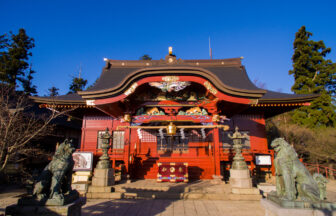
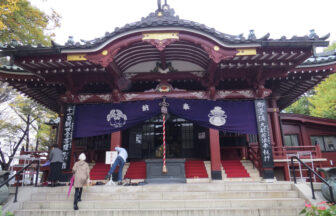
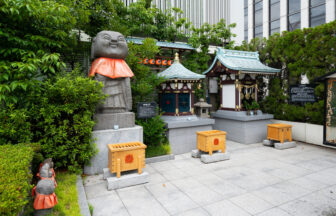
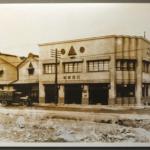
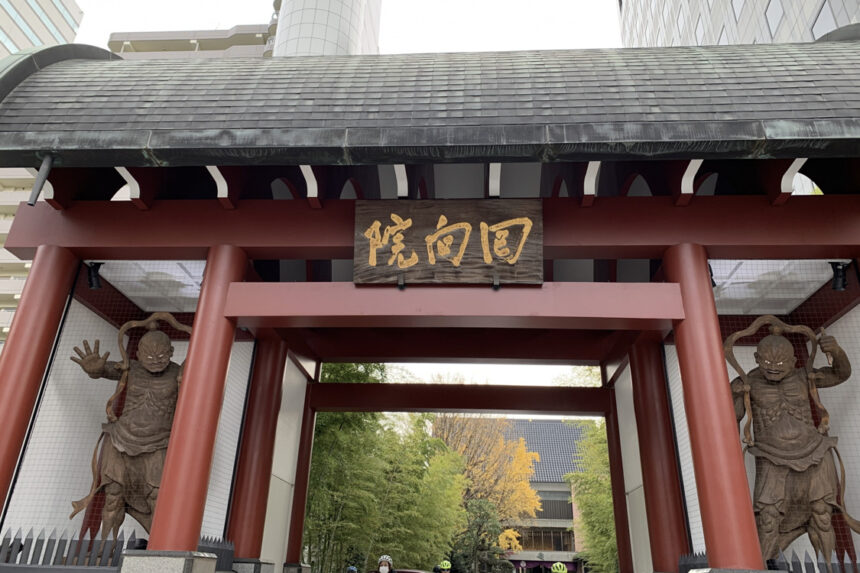
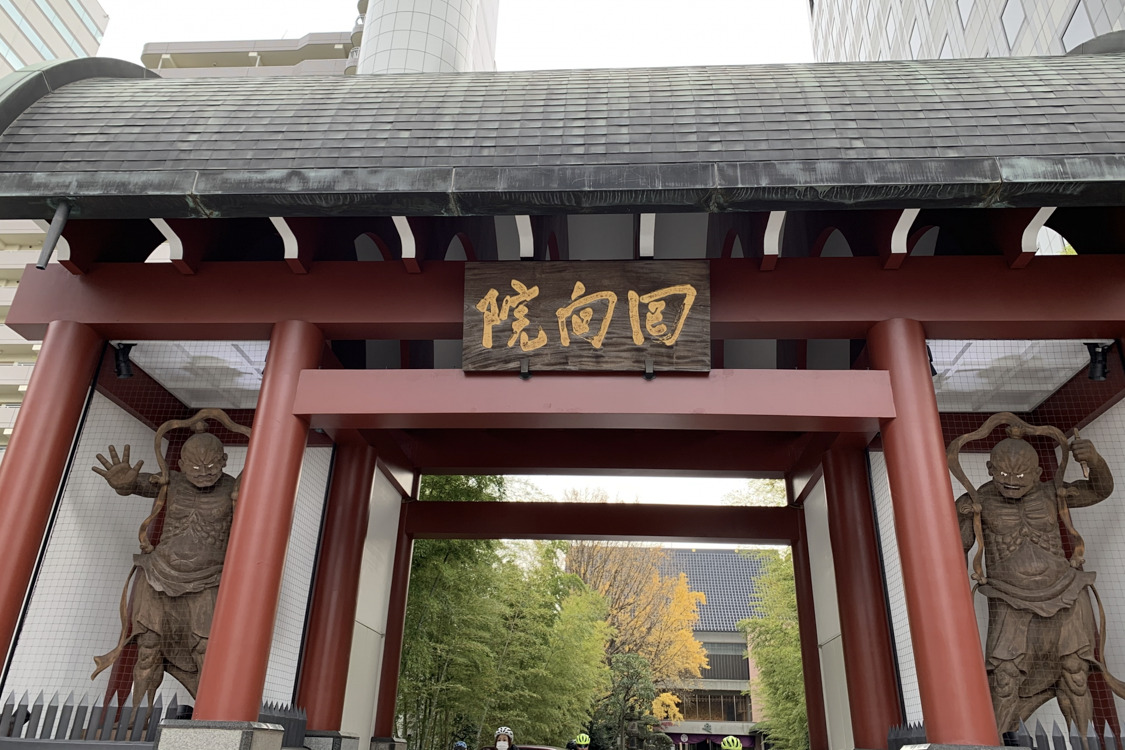
This temple of the Jodo sect was built in 1657 to mourn the victims of the Great Mereki Fire that burned down Edo. From the late Edo period, the temple became a regular venue for sumo tournaments, and for 76 years until the completion of the old Ryogoku Kokugikan in 1909, sumo tournaments were held here at Kaikyoin Temple. The temple has also been holding animal memorial services since its founding, which is rare in Japan, and is still famous among animal lovers as a temple where pet memorial services can be held. In the precincts of the temple, the grave of Jirokichi the Rat Boy, a well-known character in period dramas and Kabuki plays, also remains.

Spot OutlineOutline

address (e.g. of house) 2-8-10 Ryogoku, Sumida-ku, Tokyo
Access 3 minutes from JR Ryogoku Station, 10 minutes from Subway Ryogoku Station

phone 03-3634-7776
Business Hours 9:00~16:30
regular closing day nashi (Pyrus pyrifolia, esp. var. culta)
External Links

Official Web Site

Founding and opening of business 1657 (Meireki 3)

新着・おすすめ情報

  1. Manners for visiting shrines and temples: money offering, how to pray, how to get a red seal, etc.

  2. dried confectionary

  3. 【第15回】江戸蕎麦の流儀〜蕎麦の茹で方編〜

  4. man’s formal divided skirt

  5. Can you guess what are the five colors of the “fukiage” that is attached to the top of the carp streamer?

  6. The family motto is “Be a connoisseur. Gyokuho-Do” has continued to support the tea culture by handling tea utensils of the Unshu-Matsudaira and Omotesenke families.

  7. For over 300 years in Nihonbashi, we have continued to develop products that meet the needs of the times. Long-established “Nimben” dried bonito flakes

  8. very young fish (esp. a konoshiro gizzard shad)

  9. What does “Namida (sushi)” mean?

  10. What is “Arabashiri”? Words related to Sake

  11. What does “Tenko” mean? Explanation of the meaning of this doll

  12. Minamiya Temple (Komagome, Tokyo)

  13. Tsukiji Honganji Temple

  14. Walking with the owner of a long-established restaurant and an expert] Part 1: Tracing the history of Shibadaimon with the 7th generation owner of “Shibadaimon Sarashina Nunoya

  15. 【第24回】海苔と海苔を使った蕎麦メニューの歴史