Nihonbashi Kuroeya deals in lacquerware from all over Japan. Protecting the goodwill through innovation, not single-mindedness.

The Five Secret Secrets of Long-established BusinessesNihonbashi (bridge)traditional craftdevicelacquer wareartisan

Bringing the best of Japan to the world, and the best of the world to Japan, agatajapan.

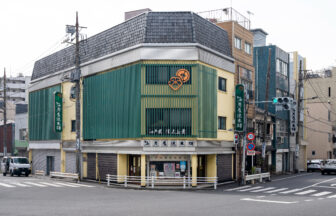
Japan is one of the few countries in the world where there are more than 33,000 long-established shops that have been in business for a hundred years. In this series of articles, we ask the owner of one of these stores about the “five secrets that make an old shop an old shop. This time, we interviewed the owner of Nihonbashi Kuroeya, which has been dealing in lacquer crafts since the 2nd year of the Genroku era (1689). From Tsugaru-nuri lacquerware from Aomori Prefecture in the north to Miyazaki lacquerware from Miyazaki Prefecture in the south, the store is a one-minute walk from Nihonbashi Station.
What is Kuroeya’s commitment to lacquerware, sometimes called “living creatures” and loved overseas as “Japan,” and why has Kuroeya been loved by people for over 300 years?

Providing “lacquerware,” an ancient Japanese traditional craft, both domestically and internationally.

Have you ever heard the saying, “Lacquerware is a living thing”?
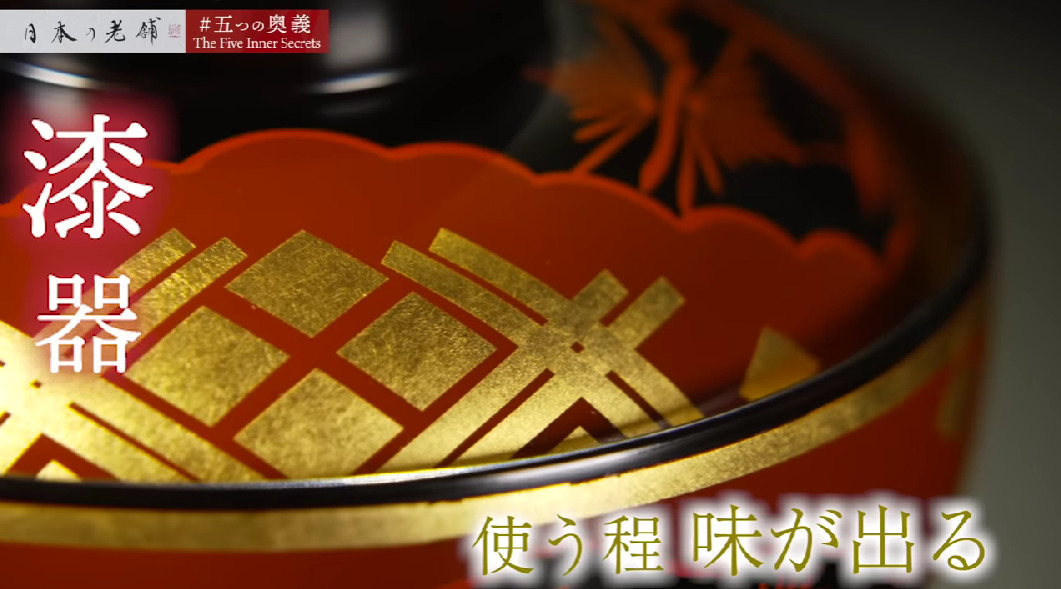
Lacquerware is a traditional Japanese craft that gradually becomes more comfortable in the hand, and the more it is used, the more it tastes good.

In the Edo period, the idea of “uniqueness and dedication” was central to industry, and many stores tended to devote themselves to a single type of business. In such a situation, Magozaemon Kashiwabara, the 12th generation head of Kuroeya, says, “In our case, we believe that keeping tradition and innovation in line with today’s lifestyle is also a reflection of our business.Innovation, not single-mindedness. This slogan conveys part of the reason why Kuroeya has been loved by people in Japan and abroad for over 300 years.Lacquerware expresses rich luster and texture by using lacquer, a natural paint, on a variety of materials such as wood, bamboo, and glass. Kuroeya was founded in Nihonbashi Honcho 4-chome by the first generation of a family from Kuroe Village in Kii Province, which was said to be a famous lacquerware production area.

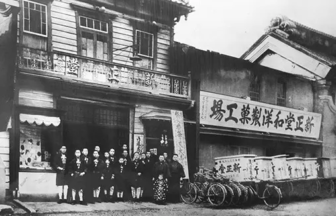
Kashiwabara says, “From the Genroku period of the Edo period through the Meiji, Taisho, and Showa periods, three lacquerware stores lined the street lines of Nihonbashi.”They were popularly known as the “three houses on the street,” but Kuroeya is the only one still in business today. We will hear the secret of how they have been able to keep their goodwill for more than 300 years – five profound secrets.

Five profound secrets of long-established shops Part 1: Lacquerware = Japan, a traditional craft representing the country

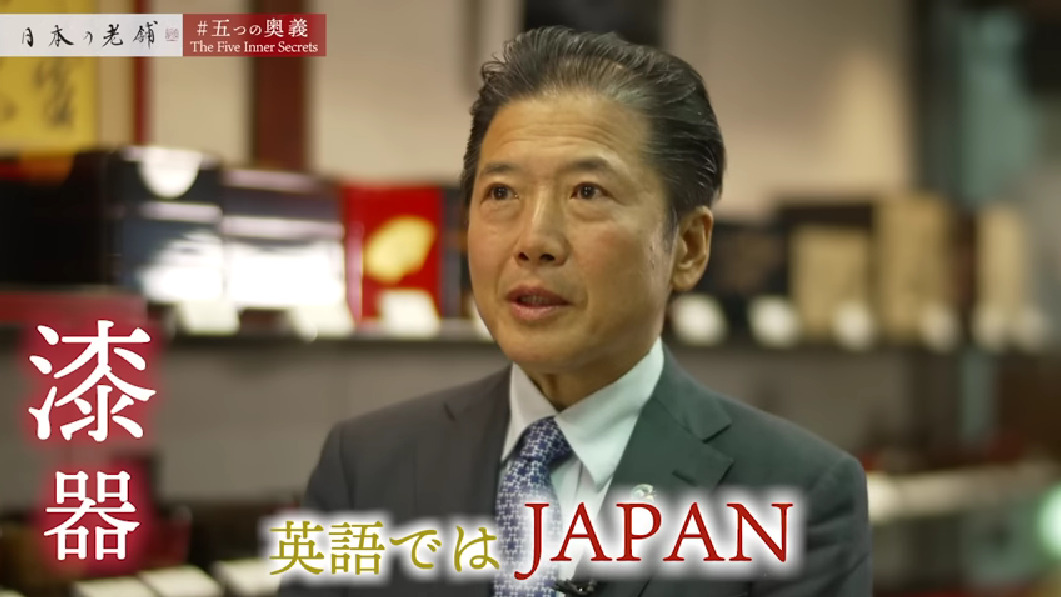
Lacquerware is a traditional craft rooted in Japan’s ancient lifestyle, and it continues to be used and loved by people today in accordance with their lifestyles. Behind this is a high level of skill in applying lacquer over wood and paper to create beautiful patterns. The charm of lacquerware has been loved not only in Japan but also in other countries.Do you know what lacquerware is called in English?The answer is, to my surprise, JAPAN.

Although there are various theories as to the reason for this, it is said that when lacquerware was exported to the Netherlands and Portugal in the 15th century during the Nanban trade, Europeans at the time began to refer to it as “lacquerware = JAPAN”, in reference to the term “pottery = CHINA”. It is evident that lacquerware was highly popular as a traditional craft that literally symbolized the “country”.

Five Principles of Long-established Businesses, Part 2: Diversify management according to the times, not “single-mindedness

As I mentioned earlier, Kuroeya is unique in that it chose a different path from the “uniqueness” that was dominant at the time.

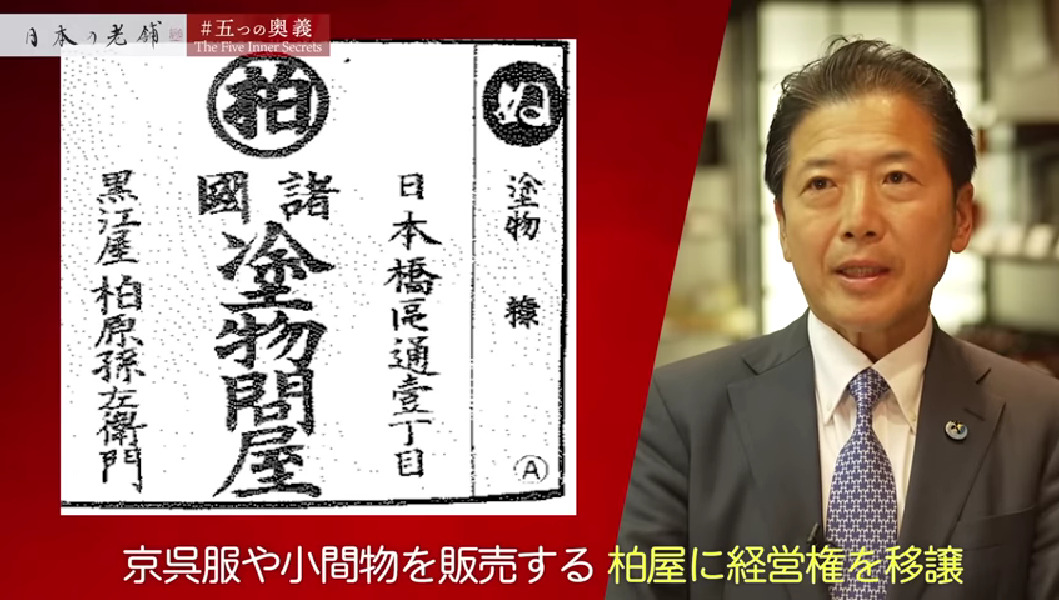
In 1774, the management of Kuroeya was transferred to Kashiwaya, which sold Kyoto kimono and accessories, and has continued to this day,” says Kashiwabara.For this reason, the company uses the single character “Kashiwa” in its trade name. At the same time, the company diversified its management methods. In the Edo period, the company dealt in Kyoto draperies and Japanese paper separately from lacquerware, and now operates a real estate management and paper sales business in parallel with lacquerware sales.The lineup of lacquerware was also limited to “Kishu lacquerware” when the store was first established, but has since been transformed into a store where carefully selected national masterpieces can be purchased in Nihonbashi.

Five Principles of Long-established Businesses, Part 3: The Spirit of “Era of Change” that Values Tradition and Incorporates Change

Mr. Kashiwabara cites as his favorite saying “Fuyi-ryu,” which is said to have been advocated by Matsuo Basho.Kashiwabara-san’s words, which mean “tradition” and “innovation,” and the importance of both, are reflected in the management of Kuroeya to a great extent.

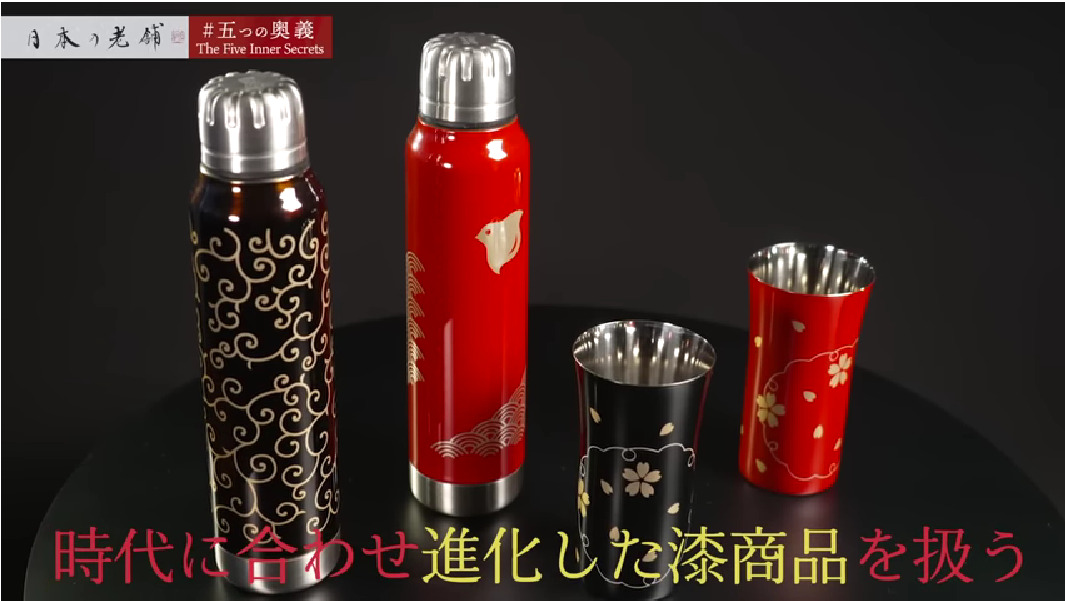
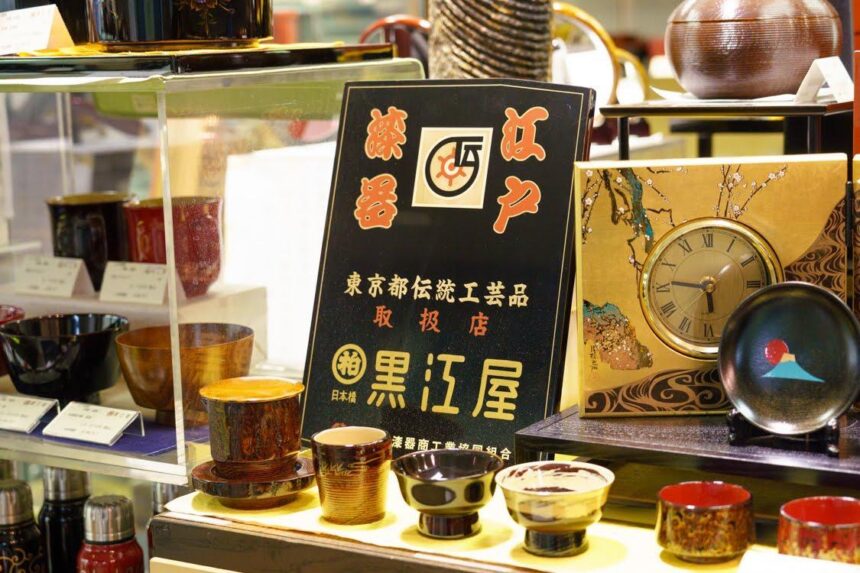
For example, Kuroeya offers a wide variety of modern products such as wine glasses, business card holders, pin badges, and water bottles (umbrella bottles), which are generally considered out of the realm of traditional crafts and lacquer ware. Of course, we also offer hand mirrors, soup bowls, and other such gems that are considered to be “timeless.

Five Principles of Long-established Businesses, Part 4: Develop employees and entrust business to them with trust.

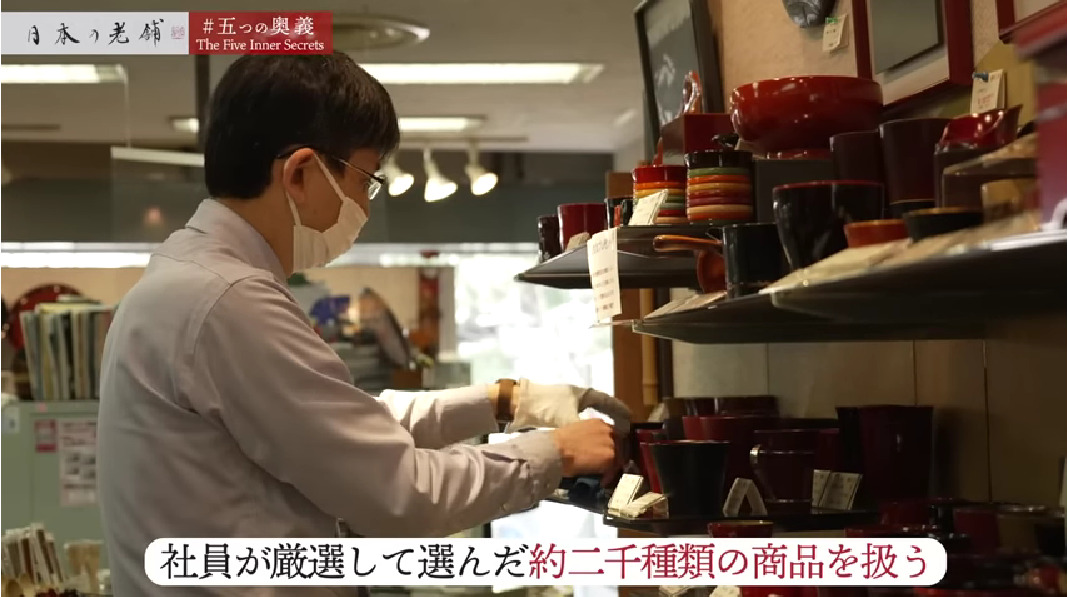
Since the Edo period, Kuroeya has always valued “trust. Mr. Kashiwabara says that with trust, he entrusts his watchman, or employees, with the business affairs of the company.Twenty-three regions throughout Japan have been designated as lacquerware production areas, including Aomori Prefecture (Tsugaru lacquerware), Fukushima Prefecture (Aizu lacquerware), and Toyama Prefecture (Takaoka lacquerware), and Kuroeya employees carefully select products from these areas based on their trust in Kuroeya. The number of product variations currently handled is approximately 2,000.

We are confident that we are training discerning employees, which is why we place our full trust in them.

The Five Secret Secrets of Long-established Lacquer Ware #5: The more you use it, the more it fits in your hand, and lacquer ware is alive.

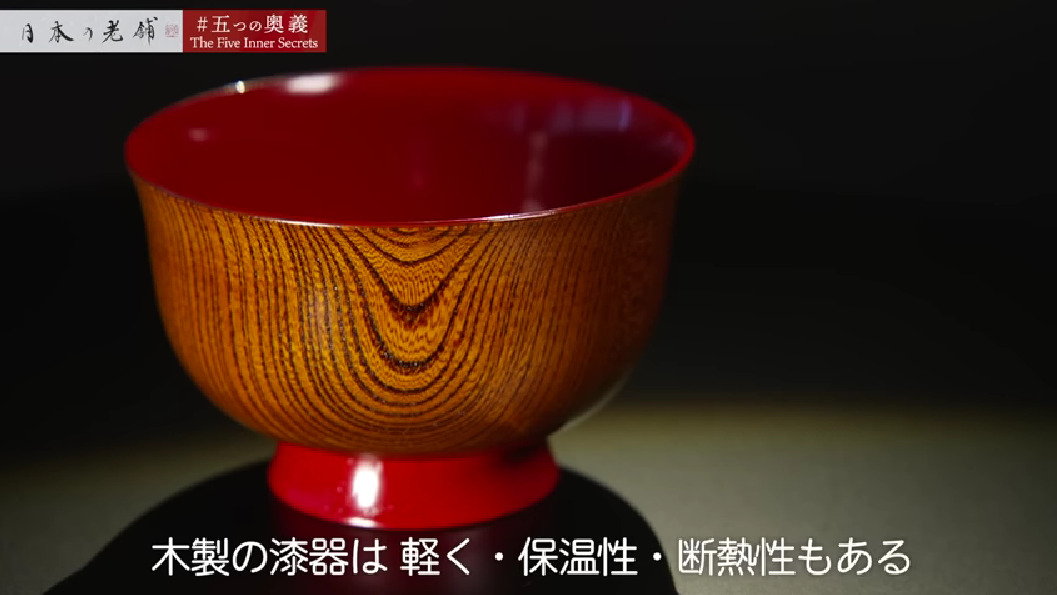
Kashiwabara describes wooden lacquerware as “a very easy-to-use product for daily life” because it is light, retains heat, and insulates well. And as mentioned at the beginning of this article, lacquerware, which becomes more comfortable in the hand as it is used, can be likened to a living creature.If it is damaged, it can be repaired at the place of origin by bringing it to Kuroeya.

Why have long-established businesses continued to exist?

When asked, “Why has this long-established company continued to exist?” Mr. Kashiwabara replied, “Nothing in particular, but ……. He continued, however, as follows.Mr. Kashiwabara says, “I hope to do what I can do in my own time while preserving the traditions taught to me by my grandfather and father.This tradition must also include the family motto to never stop evolving, not only uniquely, but also innovatively.
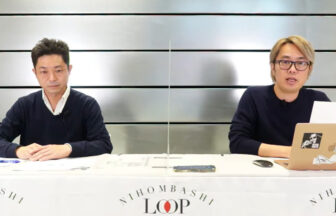
 Starmark CorporationBringing the best of Japan to the world Bringing the best of the world to Japan Bringing the best of tradition to the present Bringing the best of the present to traditionThe video of “The Five Deep Secrets: Kuroeya Edition” can be viewed athere (place close to the speaker or where the speaker is)from (e.g. time, place, numerical quantity)

新着・おすすめ情報

  1. Ruins of Katsunuma Castle (Ome, Tokyo)

  2. Seppuku monaka” and “Keikyuu monaka” …… “Shinshodou” produces wagashi that are both humorous and delicious.

  3. Rintsushinomori Park (Musashikoyama, Tokyo)

  4. triangles of sweet rice jelly topped with adzuki beans (eaten in the sixth month)

  5. temple in honor of Daikokuten

  6. Shukusen] Oriental Zodiac Handkerchief

  7. Shiose Sohonke Main Store

  8. Katsusenji Temple Enma Opening in Kitasenju! A New Year’s tradition with stalls on the first Enma day

  9. Ryushotei Nishimura

  10. Yoshinoya Shoten

  11. Nitta Shrine (Musashishinden, Tokyo)

  12. What innovations have been made at Nimben, a 321-year-old dried bonito flakes business?

  13. Umezono, a long-established sweet shop in Asakusa. Reaching out to the next generation with innovative ideas and SNS development that are “Eiyoe” (picture-perfect).

  14. Edoya

  15. guard on sword, polearms, etc.