Sensoji Temple

temple (Buddhist)Asakusa (department store)

Sensoji Temple(Sensoji-Temple)

first shrine visit of New Yearstrolling on the street

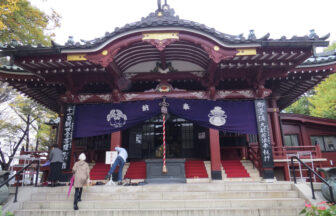
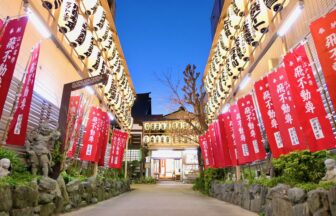
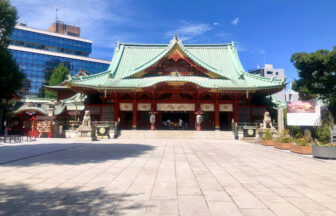
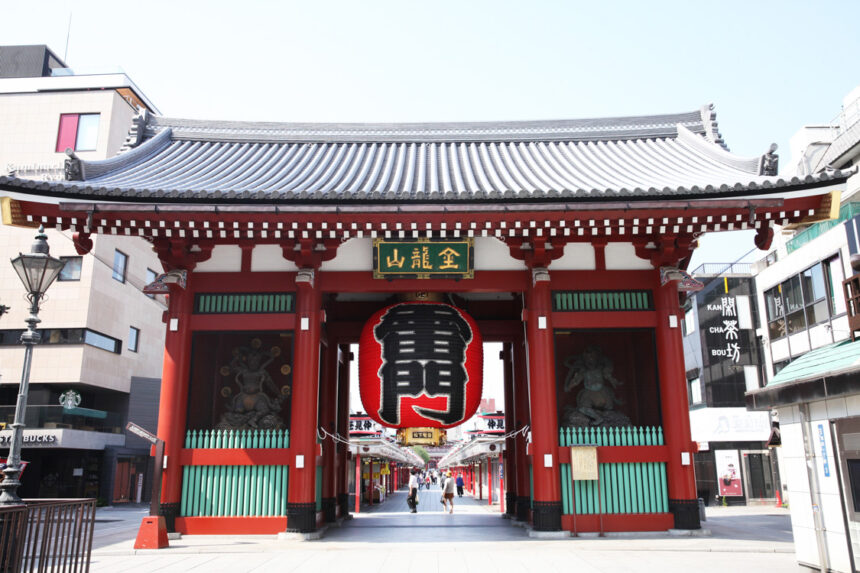
It is the head temple of the Sho-Kannon sect, and its mountain name is Kinryuzan. The temple is also known as Asakusa Kannon (Goddess of Mercy). 628 (36th year of Emperor Suiko’s reign), brothers Hamanari and Takenari Hinokuma, who were fishing in the Miyatogawa River (downstream of the Sumida River), obtained a statue of Kannon from the water, which was then enshrined in the Kusa Hall. When the Tokugawa Shogunate was established in Edo (present-day Tokyo), the temple became a place of prayer for the Tokugawa Shogunate and flourished, attracting the faith of the general public. Many buildings were destroyed by fire in air raids during World War II, but were rebuilt after the war, including the Kaminarimon Gate and the five-story pagoda, making it one of Tokyo’s most popular tourist attractions. Along the approach from Kaminarimon to Hozomon is the famous Nakamise, where many stores line the street, creating the “Monzenmachi” (gate town).

Spot OutlineOutline

address (e.g. of house) 2-3-1 Asakusa, Taito-ku, Tokyo
Access 5 minutes from Tobu Line, Tsukuba Express and Asakusa Subway Station

phone 03-3842-0181
Business Hours 6:00 – 17:00 (opening hours/opening at 6:30 from October to March)
regular closing day nashi (Pyrus pyrifolia, esp. var. culta)
External Links

Official Web Site

Founding and opening of business 628 (36th year of Emperor Suiko’s reign)

新着・おすすめ情報

  1. gore

  2. man’s stiff sash

  3. Why display “Armor Decorations” on Dragon Boat Festival. Armor is not for fighting…

  4. revitalization

  5. A Walk in Edo with Old Maps] No.3: Once the Best Shopping Zone in Edo. Tracing the Traces of a Fish Market in Nihonbashi

  6. someone who is unable to apply what they have read

  7. What’s in a Kaiseki meal? Explaining the Difference from Kaiseki Cuisine

  8. make

  9. Yagiri no Ferry (Shibamata ferry terminal)

  10. Hibiya Park

  11. Koishikawa Korakuen

  12. sake made without added alcohol or sugar

  13. fresh Western sweets (usu. containing cream or fruit, e.g. sponge cake, pie)

  14. A Walk in Edo with Old Maps] No. 2: Kyobashi and Ginza from the Edo Period to the Heisei Era Traced by Rivers

  15. Gosho Ningyo” was a gift to the Imperial Palace. Also known as “Hai Hai” and “White Meat Dolls.