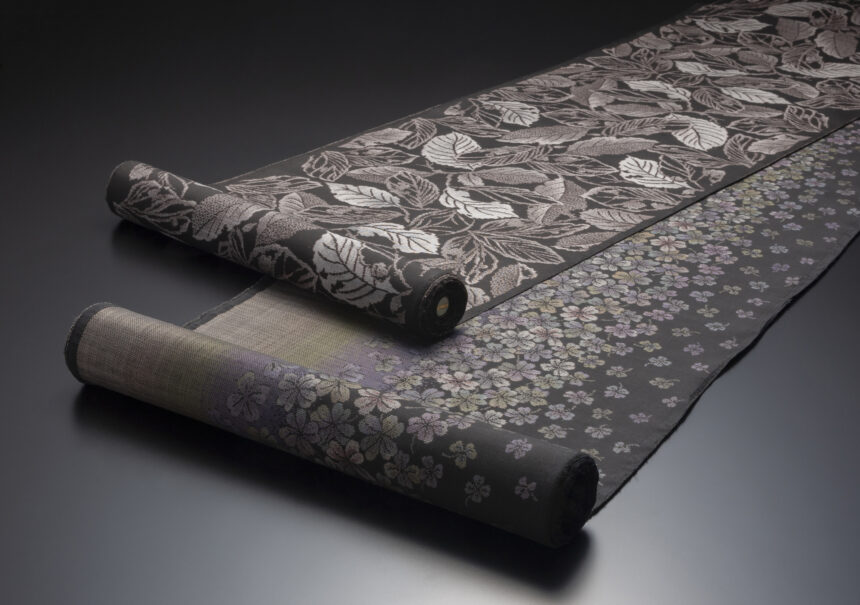
pongee (soft thin cloth woven from raw silk)

Japanese clothing

pongee (soft thin cloth woven from raw silk)(tsumugi)

Japanese clothesclothing

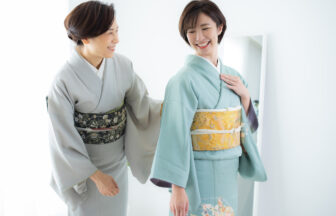
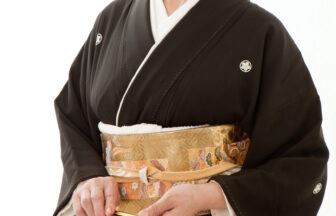
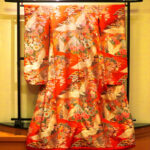
Tsumugi silk thread (silk thread spun from cocoons that have not been turned into raw silk). Silk fabric woven by hand from cocoons that had not been turned into raw silk and spun into cotton. It was mainly worn by farmers and common people as work clothes. Various patterns such as kasuri and stripes were woven by calculating the arrangement of dyed colored threads. Today, it is regarded as a “chic and fashionable” type of kimono. There are many famous tsumugi silk fabrics named after places in Japan, such as Oshima tsumugi and Yuki tsumugi, which differ in texture, luster, and thickness due to the way the threads are made.

新着・おすすめ情報

  1. noodles with duck meat and Welsh onions

  2. What’s in a Kaiseki meal? Explaining the Difference from Kaiseki Cuisine

  3. Ryu Kobo in Nihonbashi has been innovating braided cord culture for more than 130 years.

  4. point (of a sword, etc.)

  5. Mori Garden (Roppongi, Tokyo)

  6. The same manufacturing method since the establishment of the company. Interview with Satoru Nakamura, 7th generation owner of Shirokiya Nakamura Denbei Shoten, who weaves Edo brooms using craftsmanship passed down from generation to generation .

  7. Kasai Shrine (Kanamachi, Tokyo)

  8. mixture of boiled beans, jelly cubes, fruit pieces and molasses

  9. To preserve traditional culture, we also consider the treatment of craftsmen. What does the long-established “Edoya” think of “succession”?

  10. Sainenji Temple (Tomb of Hattori Hanzo) (Yotsuya, Tokyo)

  11. gelidium jelly strips (made from agar-agar)

  12. A Walk in Edo with Old Maps] No. 2: Kyobashi and Ginza from the Edo Period to the Heisei Era Traced by Rivers

  13. kasuri

  14. What innovations have been made at Nimben, a 321-year-old dried bonito flakes business?

  15. The name “Mokumegome doll” comes from the fact that the fabric is pressed into the shape of a doll.