Musashino Central Park (Musashino, Tokyo)

Parks & GardensKichijoji, Suginami

Musashino Central Park (Musashino, Tokyo)(Musashino Central Park)

(public) parkairplane

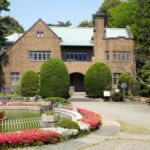
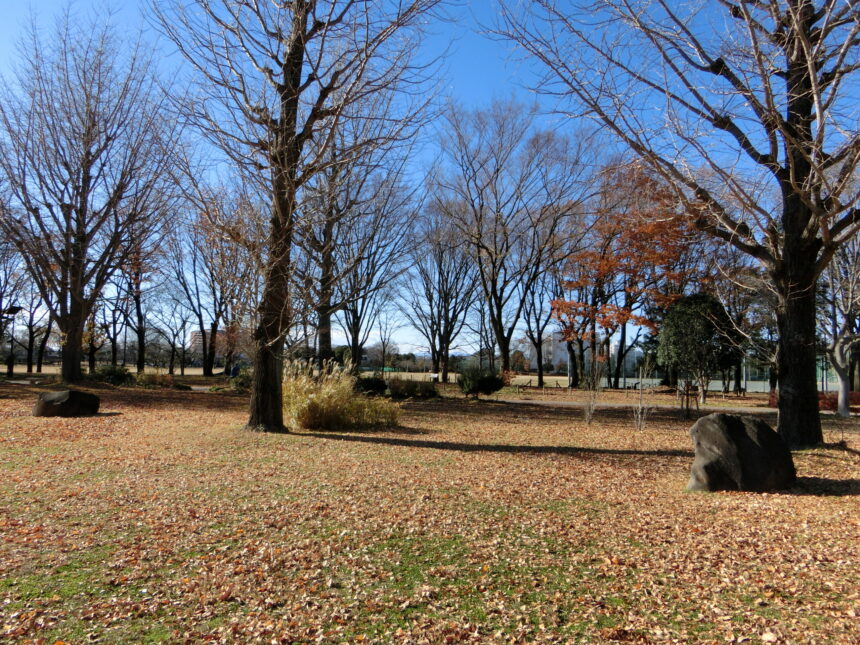
In the vast area between Musashino Chuo Park and the current Musashino City Hall, there was a huge aircraft engine factory called Musashi Works of Nakajima Aircraft Company during World War II, where engines for the Zero fighter and the Hayabusa were manufactured. In November 1944, when the U.S. military conducted its first air raid on the Japanese mainland, the plant was the first target. After the war, the west factory area became the “U.S. Military Housing Green Park” and in 1989 became the Musashino Central Metropolitan Park. Inside the park, there is an information board explaining the prewar history of the park.

Spot OutlineOutline

address (e.g. of house) Musashino-shi, Hachiman-cho 2-chome, Midorimachi 2-chome
Access Take a bus (bound for Yanagisawa Station) from Mitaka or Kichijoji Station on the JR Chuo Line and get off at Musashino Chuo Koen Bus Stop.

phone 0422-54-1884
External Links

Official Web Site

Founding and opening of business 1989 (Heisei 1)

新着・おすすめ情報

  1. sake brewed without addition of saccharides and no more than 120 litres of seed alcohol per tonne

  2. Founded by a “Brush Master” who was a personal assistant to the Tokugawa Shogun. Edoya” has been providing brushes and bristle brushes for 300 years.

  3. man’s formal divided skirt

  4. What is the meaning behind the three colors of “Hishimochi”? Hina Doll Decorations

  5. purple

  6. What is the difference between “Ginjo-shu” and “Junmai Ginjo-shu”? Words related to sake

  7. What does a “hair dresser” do? Series of Craftsmen Who Make Dolls

  8. gelidium jelly strips (made from agar-agar)

  9. Akatsuka Fudo Falls (Takashimadaira, Tokyo)

  10. Seppuku monaka” and “Keikyuu monaka” …… “Shinshodou” produces wagashi that are both humorous and delicious.

  11. Ruins of Ooka Echizenmamori Tadasada’s villa

  12. Tsutanoya” was established in 1937 and supports Japan’s fish-eating culture with its delicious taste. What is “Kyoka-zuke”, an evolution of Saikyo-zuke?

  13. stalk (of a mushroom, leaf, etc.)

  14. What is the difference between kaiseki ryori and kaiseki cuisine? Explanation of the origin and manners you should know!

  15. Founded in 1877, “Ningyocho Shinota Sushi” is a famous inari sushi restaurant. The secret of the long-loved taste