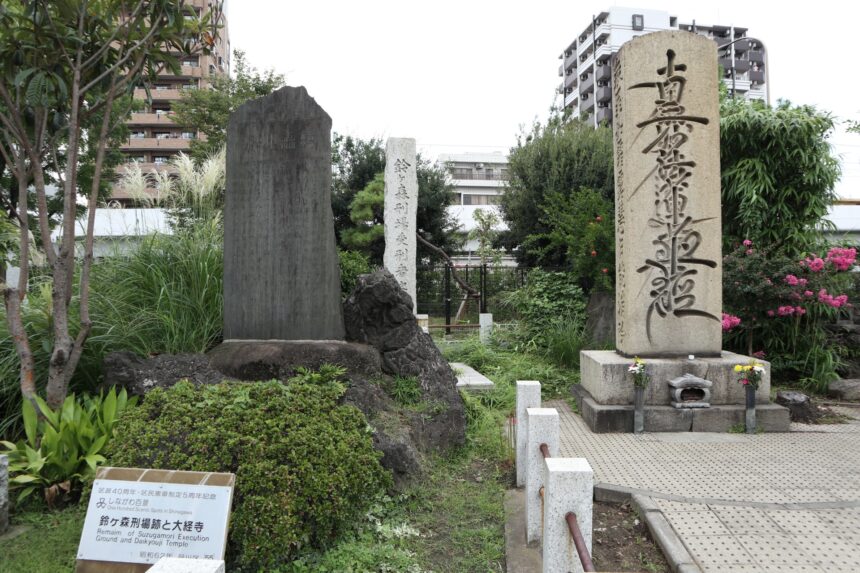
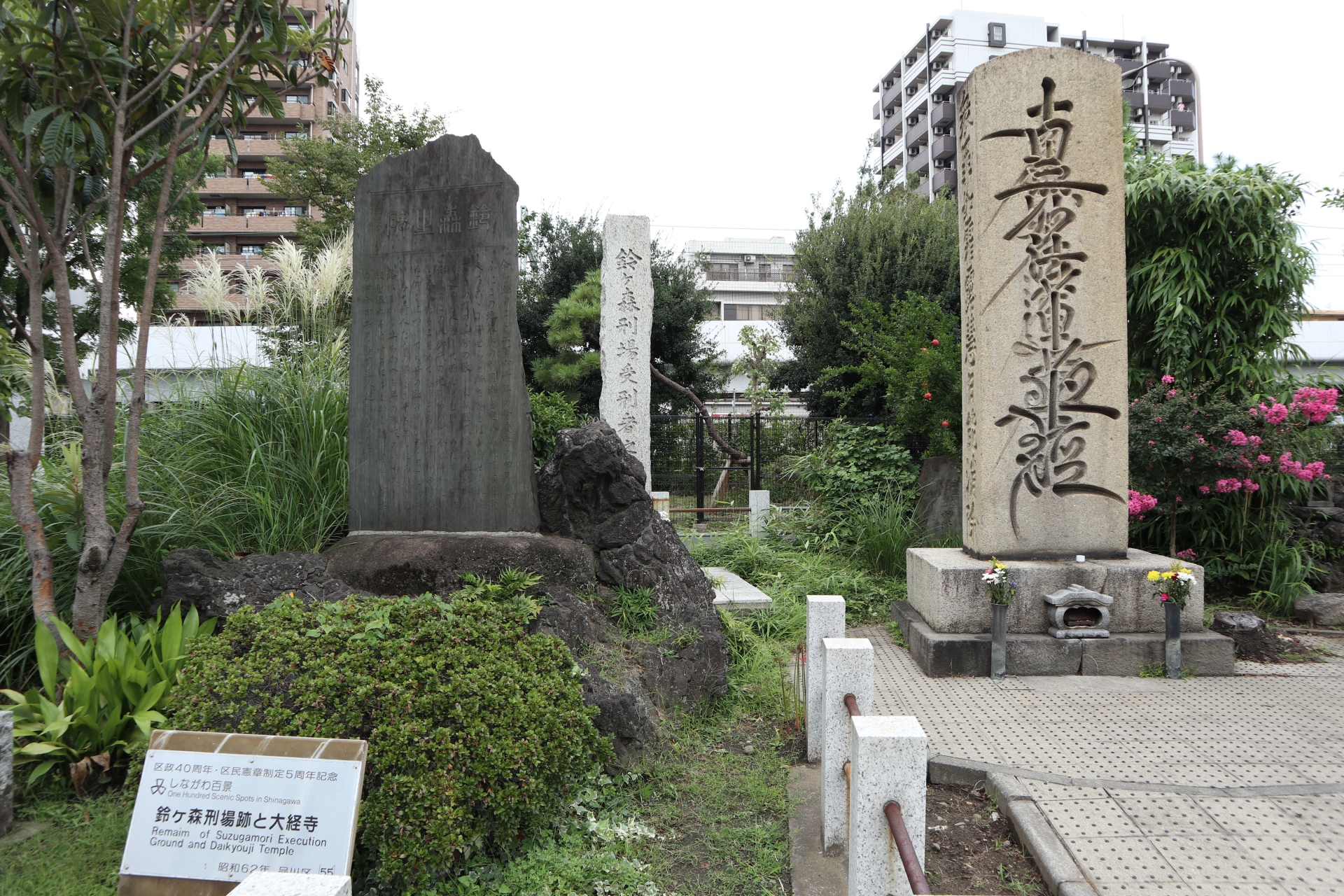
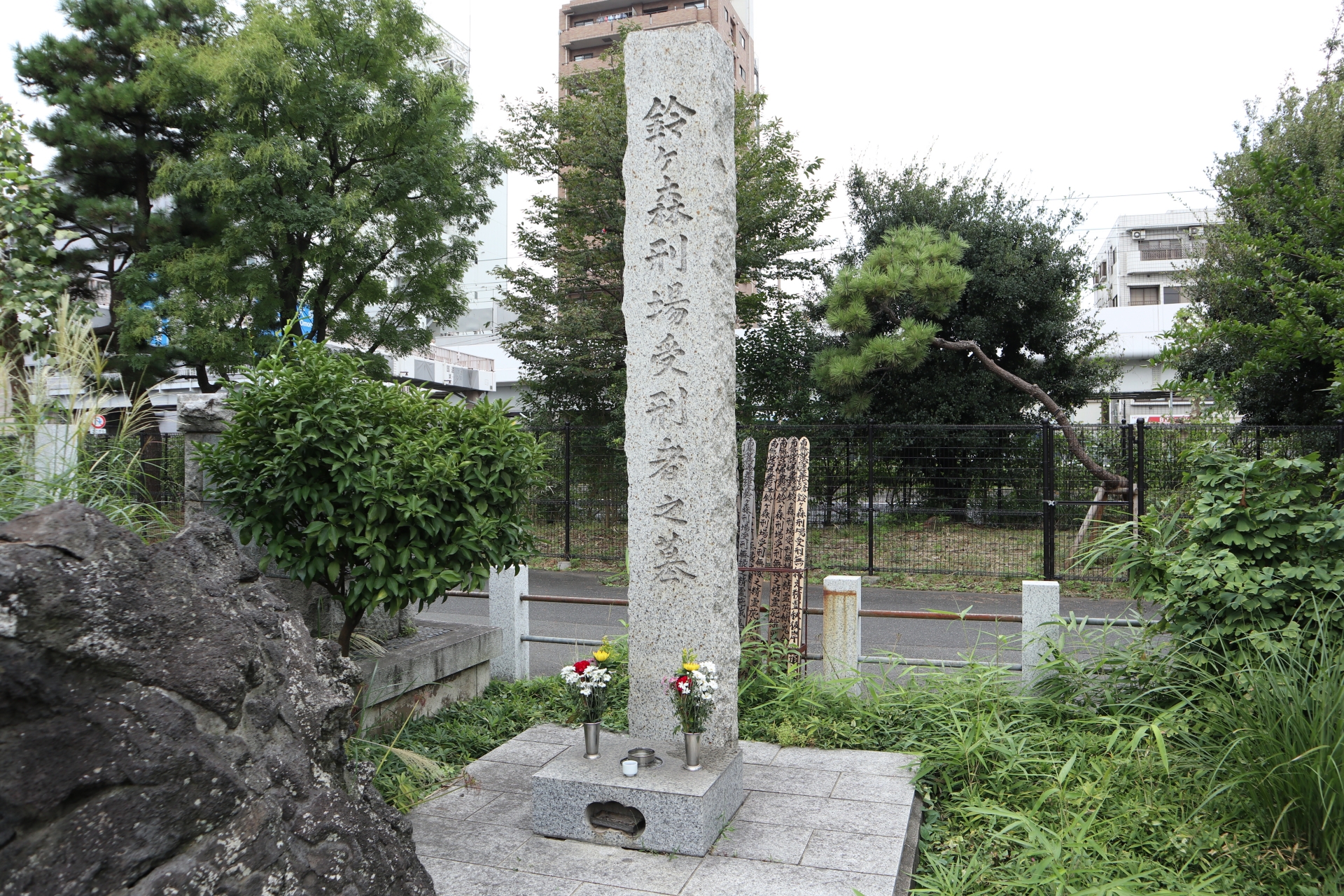
Ruins of Suzugamori Penitentiary (Omori, Tokyo)

historic siteOmori, Kamata

Ruins of Suzugamori Penitentiary (Omori, Tokyo)(Ruins of Suzugamori Prison)

place of executionTokyo Metropolitan Government Designated Cultural Propertieskabuki

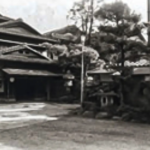
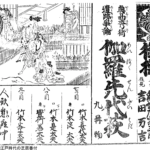
Suzugamori Penitentiary was established in 1651 and abolished in 1871. The Suzugamori Penitentiary was located along the southern entrance to Edo, while the Kozukahara Penitentiary was located at the northern entrance. There are various theories as to the number of people executed. Today, the crucifixion stand used for executions and the head-washing well as well as the huge “Daimoku Kuyo-to” (memorial tower), which is over 3 meters high, remain on the grounds of Daikyo-ji Temple. Familiar characters from Kabuki and period dramas such as Oshichi Yaoya, Hirai (Shirai) Gonpachi, and Tenichibo all met their deaths here. In 2022, the Daikyoji Temple underwent a major renovation, and with the opening of its website and the redevelopment of the temple grounds, the temple has evolved into a place of spiritual renewal.

Spot OutlineOutline

address (e.g. of house) 2-5-6 Minami-Oi, Shinagawa-ku, Tokyo (inside Daikyoji Temple)
Access 13-minute walk from JR Omori Station, 8-minute walk from Keihin Kyuko Omorikaigan Station

phone 03-3260-5071
regular closing day nashi (Pyrus pyrifolia, esp. var. culta)
External Links

Official Web Site

Founding and opening of business 1651 (4th year of Keian)

新着・おすすめ情報

  1. Tanashi Shrine (Tanashi, Tokyo)

  2. Interview with Kotaro Ishikawa of Ishikawa Tortoiseshell Works, a company that connects traditional Edo tortoiseshell techniques and further promotes the Edo Tokyo brand .

  3. Edo-Tokyo Open-Air Architectural Museum (Koganei, Tokyo)

  4. 【第21回】古文書から紐解く江戸につながる「そば切り」の伝承

  5. Former Mikawashima sewage disposal pumping facility (Arakawa, Tokyo)

  6. Samurai dolls” for Dragon Boat Festival. When did they come to be displayed?

  7. What is the alcohol content of sake “Harazake”? Words related to sake

  8. What does “agari” mean? Its origin is also explained.

  9. just after fall

  10. Lengshan (dynasty of China; 386-589 CE)

  11. Namikaze Shrine (Tsukiji, Tokyo)

  12. underskirt (half-slip), worn under kimono

  13. Takahata Fudo Kongoji Temple

  14. Why is the oak in “Kashiwa-mochi” said to symbolize the prosperity of descendants?

  15. oldest surviving traditional style of sake making