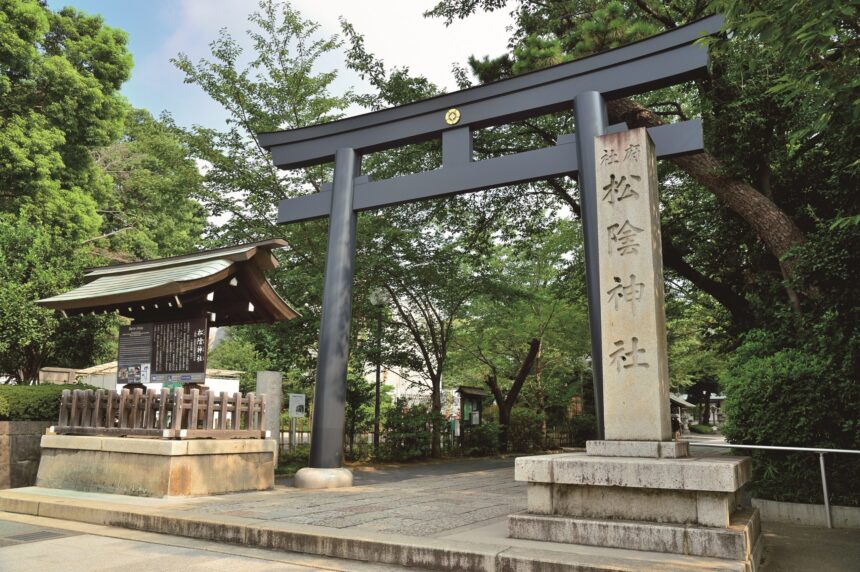
Shoin Shrine (Setagaya, Tokyo)

historic siteShinto shrineMeguro, Setagaya

Shoin Shrine (Setagaya, Tokyo)(Shoin-Shrine)

prayer for school successYoshida Shoin era (1624.2.30-1644.12.16)walk

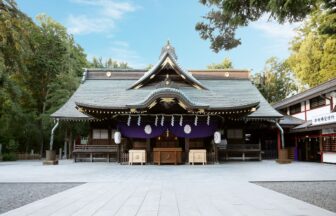
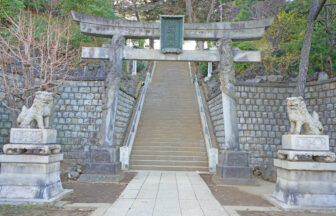
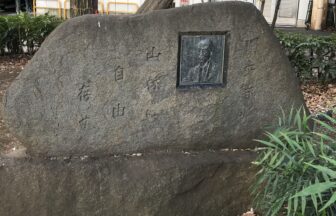
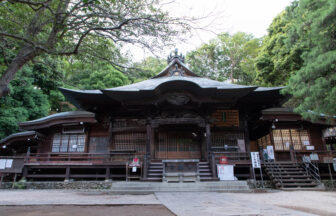
The shrine is dedicated to Shoin Yoshida, a well-known educator and thinker at the end of the Edo period. In 1863, four years after Shoin was executed in Edo (Tokyo) for the crime of Ansei no Daigaku (Great Prison of Ansei), his students Takasugi Shinsaku, Ito Hirobumi, and others moved his burial to the present location. Later, in 1882, Shoin’s students built a shrine next to his grave. In the precincts of the shrine, there are the graves of Shoin and other great warriors at the end of the Edo period, a statue of Shoin Yoshida, and the Shoukasonjuku, which is a replica of a building preserved in Hagi, Yamaguchi Prefecture. The shrine is well known as a god of learning and attracts many worshippers who come to pray for academic achievement and success in school.

Spot OutlineOutline

address (e.g. of house) 4-35-1 Wakabayashi, Setagaya-ku, Tokyo
Access Approximately a 3-minute walk from Tokyu Setagaya Line Shouinjinsha-mae Station

phone 03-3421-4834
Business Hours 7:00~17:00
regular closing day Open all year round (only the shrine office is closed irregularly)
External Links

Official Web Site

Founding and opening of business 1882 (Meiji 15)

新着・おすすめ情報

  1. Koami Shrine (Ningyocho, Tokyo)

  2. Zenkokuji Temple (Kagurazaka, Tokyo)

  3. ramen

  4. The taste of soba-tsuyu is the character of the restaurant. What is the taste that Sarashina Nunoya has continued to preserve?

  5. Tokyo’s “Furyu Odori” is the talk of the town since it was selected as a UNESCO Intangible Cultural Heritage site! Tokyo’s “Furyu Odori” gathers in large numbers! Report on Tokyo Folk Performing Arts Festival

  6. Yamamoto Nori Store, a long-established business with a 170-year history, has created an innovation that allows people to taste freshly baked laver.

  7. Gosho Ningyo” was a gift to the Imperial Palace. Also known as “Hai Hai” and “White Meat Dolls.

  8. Noge-Otsuka Tomb (Setagaya, Tokyo)

  9. Tokyo Metropolitan Teien Art Museum

  10. Gotokuji Temple (Setagaya, Tokyo)

  11. Oshima tsumugi weave

  12. Mukozuke” is served at the beginning of kaiseki cuisine. What is the origin of its name?

  13. What is the meaning behind the three colors of “Hishimochi”? Hina Doll Decorations

  14. Suddenly, at the age of 25, he became the president of the company. Steps of the 8th generation of “Nihonbashi Benmatsu Sohonten,” Japan’s oldest bento shop.

  15. What is the difference between kaiseki ryori and kaiseki cuisine? Explanation of the origin and manners you should know!