Ebara Shrine (Shinagawa, Tokyo)

Shinto shrineShinbashi, Shinagawa, Odaiba

Ebara Shrine (Shinagawa, Tokyo)(Ebara Shrine)

festivalSeven Gods of FortunewalkBird Day Fair (held at Otori Shrine on each Day of the Bird in November)

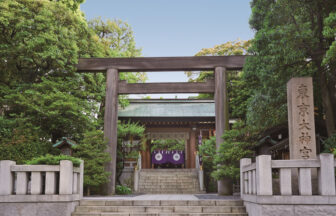
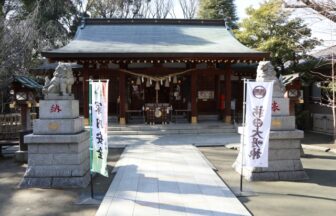
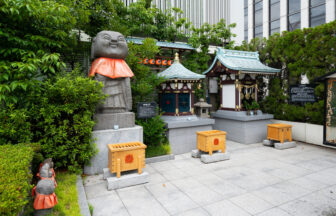
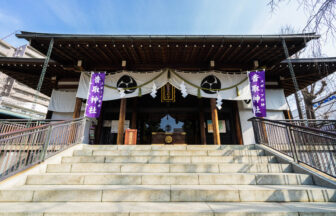
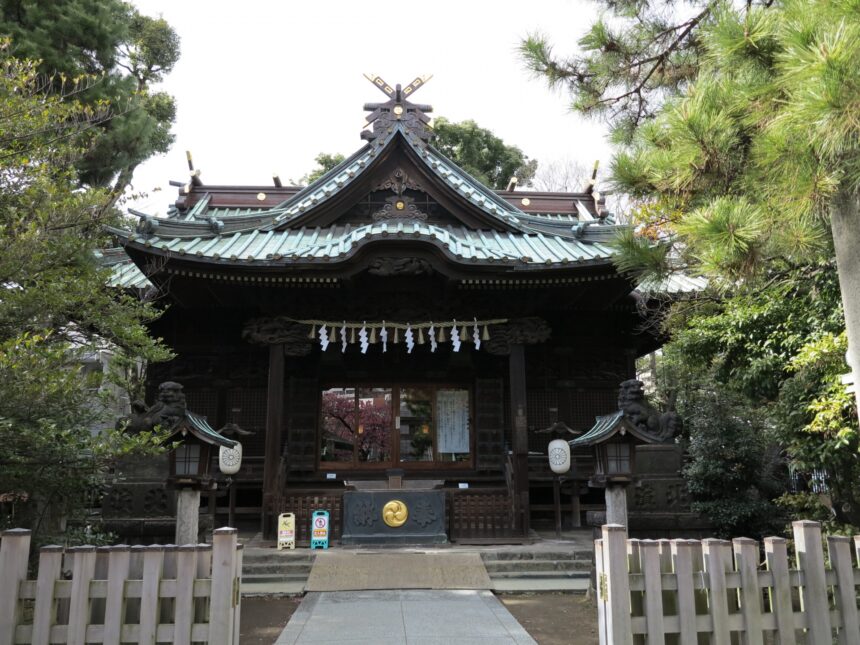
It was built in 709 (Wado 2) in the late Asuka Period and was called “Shinagawa-daimyojin,” “Kibune-daimyojin,” or “Tenno-sha” in the old days. It is said that the shrine was originally built when the god Takanokami-no-mikami was invited from Niu-kawakami-jinja Shrine in Nara. Amaterasu no Okami and Susano no Mikoto are enshrined at the shrine, and the Minamoto, Uesugi, and Tokugawa clans all worshipped at the shrine. The current shrine pavilion dates from 1844, and Ebisu, one of the seven gods of good fortune in the Tokai region, is also enshrined here. The Tenno Festival held every June is well known throughout Japan, and the Otori Festival (rooster market) is held in November, attracting many people.

Spot OutlineOutline

address (e.g. of house) 2-30-28, Kitashinagawa, Shinagawa-ku, Tokyo
Access 4 minutes walk from Shin-bamba station on Keihin Kyuko Line

phone 03-3471-3457
External Links

Official Web Site

Founding and opening of business 709 (Wado 2)

新着・おすすめ情報

  1. Nihonbashi (bridge)

  2. What is the origin of the term “chilled sake”? Words related to sake

  3. Sticking to domestically produced raw materials, each tooth is spun by hand. The commitment of the long-established “Juso Yakushi-ten” (Juso Yakushi Shop)

  4. soup served at the end of a traditional Japanese dinner

  5. National Diet Library International Library of Children’s Literature

  6. Hibiya Park

  7. soba noodles eaten on New Year’s Eve

  8. Metropolitan Takiyama Park, Ruins of Takiyama Castle

  9. inscription

  10. What is the origin of the name “Gohyakumangoku,” rice suitable for sake brewing? Words related to Sake

  11. Okadaya Fuse” has a history of 188 years.

  12. 銀座

  13. Yagiri no Ferry (Shibamata ferry terminal)

  14. various

  15. Rinsenji Temple, Shibare Jizo (Myogadani, Tokyo)