Eagle Shrine

Shinto shrineAsakusa (department store)

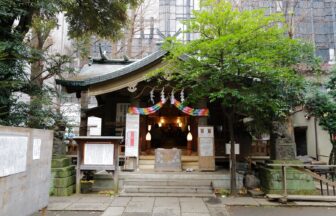
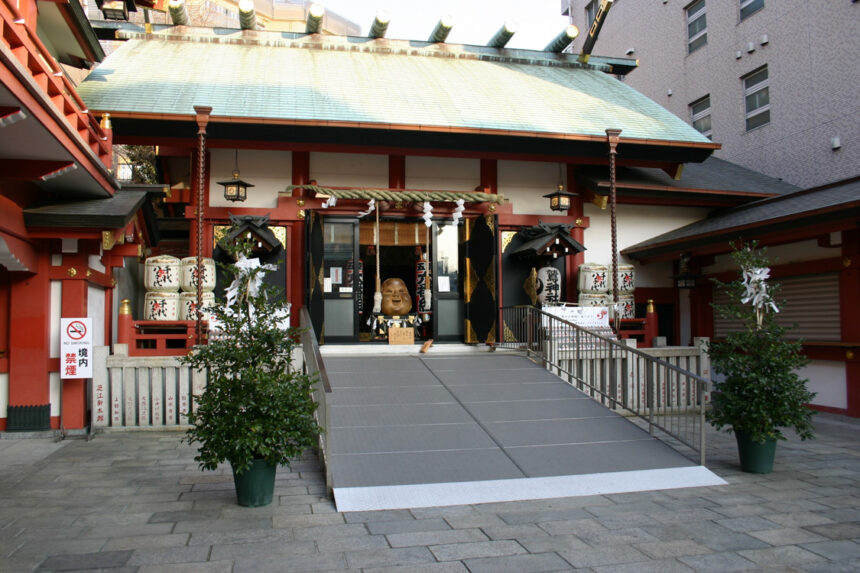
Eagle Shrine(Ōtori- Shrine)

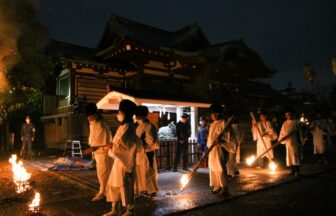
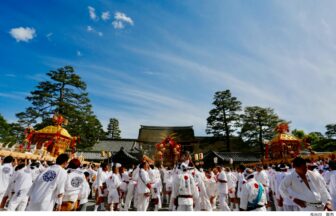
Bird Day Fair (held at Otori Shrine on each Day of the Bird in November)

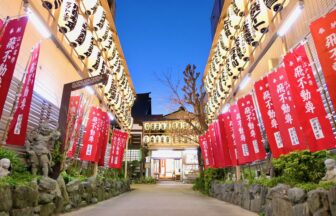
It is popularly known as “Otori-sama. The shrine is also known as “Otorisama,” or “Otori-sama.” The deities worshipped here are Ame-no-Hiwashi-no-mikoto and Yamatotakeru-no-mikoto, who is said to have stopped here to pray for victory during his conquest of the eastern part of Japan. The shrine is lined with stores selling lucky charms such as rakes and is crowded with visitors.

Spot OutlineOutline

address (e.g. of house) 3-18-7 Senzoku, Taito-ku, Tokyo
Access 7 minutes from Iriya Subway Station, 8 minutes from Tx Tsukuba Express Asakusa Station, 15 minutes from Tawaramachi Subway Station, 20 minutes from JR Nightingale Station, 15 minutes from Tobu Line and Asakusa Subway Station

phone 03-3876-1515
Business Hours nashi (Pyrus pyrifolia, esp. var. culta)
regular closing day
External Links

Official Web Site

Founding and opening of business date of foundation unknown

新着・おすすめ情報

  1. Edo Bekko-ya” continues to deal with rare materials. Craftsmanship and another thing we cherish

  2. What is the meaning behind the three colors of “Hishimochi”? Hina Doll Decorations

  3. Kameido Tenjinja Shrine (Kameido, Tokyo)

  4. sweet dumpling made with mochi flour and (sometimes) millet flour (famous product of Okayama)

  5. Old Furukawa Garden (Komagome, Tokyo)

  6. What is Gunkanmaki? Origin of the name, store of origin

  7. Zuijin” is a male doll that serves as an escort for O’naira-sama [Hina Dolls].

  8. The simple taste of Kototoi dumplings that you never get tired of no matter how many times you try them.

  9. 【第5回】東京から静岡へ 蕎麦店の系譜と受け継がれる蕎麦作りの伝統

  10. Ubukeya, a long-established cutlery shop with 240 years of history

  11. Enoki mushroom (Hypsipetes amaurotis)

  12. Yigyoin Temple / Sukeroku and Agemaki Hiezuka (Takenotsuka, Tokyo)

  13. Ruins of Kira Residence (Honjo Matsuzaka-cho Park)

  14. Itsukaichi Constitution Draft Monument (Akiruno, Tokyo)

  15. The characteristics of “koshu” (old sake) explained [Words related to sake].