Lengshan (dynasty of China; 386-589 CE)

puppet

Lengshan (dynasty of China; 386-589 CE)(renjishi)

playkabuki

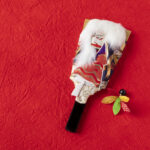
One of the subjects of the puppet is taken from the Noh play “Ishibashi” (stone bridge) and the Kabuki play “Renjishi,” which is derived from the Chinese legend that the lion, the king of beasts, would test his cubs to see if they could crawl back up to him by dropping them into a ravine. The lion with white hair is the parent lion and the lion with red hair is the child lion. The doll showing the standing posture of the parent lion alone is called “Kagami-jishi” (mirror lion).

新着・おすすめ情報

  1. We don’t stick to tsukudani alone. They are also introducing Western flavors and expanding their sales channels. The Challenge of Shimbashi Tamakiya

  2. 12 recommendations for long-established products to give as Mother’s Day gifts.

  3. Tokyo Grand Shrine

  4. 京都でも最古の歴史を持つ「松井酒造」。日本酒づくりを軸に展開する、革新的な取り組み

  5. Sarugakuzuka Tomb (Daikanyama, Tokyo)

  6. broiled eel

  7. Tokyo’s “Furyu Odori” is the talk of the town since it was selected as a UNESCO Intangible Cultural Heritage site! Tokyo’s “Furyu Odori” gathers in large numbers! Report on Tokyo Folk Performing Arts Festival

  8. Gokokuin Taisenji Temple (Meguro Fudo Temple)

  9. What is “Gyoku (sushi)”?

  10. Gansenen Park (Waseda, Tokyo)

  11. What is meant by “santai zorai” offered for the May dolls?

  12. Sword eyelets become one-of-a-kind accessories. Nihon Katana, a long-established store specializing in swords that you can enjoy even if you are not an enthusiast.

  13. Omori Shell Mound Site Garden

  14. Zashiki banner” is a miniaturized version of the outer decorations for Boys’ Festival

  15. Tozenji Temple (Shinagawa, Tokyo)