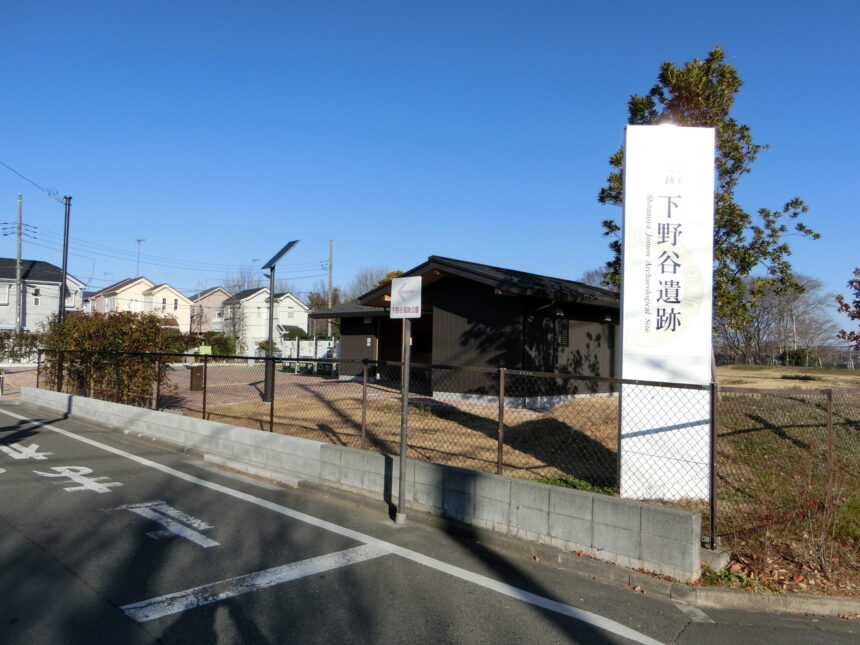
Shimonotani Ruins Park (Higashifushimi, Tokyo)

Parks & Gardenshistoric sitehistoric ruins (remains, relics)Kichijoji, Suginami

Shimonotani Ruins Park (Higashifushimi, Tokyo)(Shitanoya Heritage)

National Historic Site

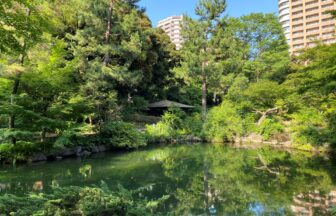
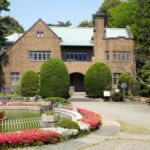
The Shimonotani Site, located in Higashifushimi 2-chome, 3-chome, and 6-chome, Nishi-Tokyo City, is a ring settlement of the Middle Jomon Period (approximately 5,000 to 4,000 years ago), and boasts an enormous amount of pottery, stone tools, and other artifacts, making it outstanding in scale and content in the southern Kanto region. In 2015, part of the site was designated as a National Historic Site. The village consists of a plaza with a group of clay pits surrounded by a row of dwelling sites and dugout pillar buildings, and is a typical ring village of the middle Jomon period. Furthermore, since there are several such ring settlements across the valley, forming a “twin ring settlement,” it is thought to have been a hub settlement in the Shakujii River basin. A portion of the site has been developed as the Shimonotani Ruins Park.

Spot OutlineOutline

address (e.g. of house) 6-4 Higashifushimi, Nishitokyo-shi, Nishitokyo
Access 7 minutes walk from Higashifushimi Station on Seibu Shinjuku Line

External Links Official Web Site
Founding and opening of business the Jomon period

新着・おすすめ情報

  1. What is meant by “santai zorai” offered for the May dolls?

  2. Chimaki” eaten on Dragon Boat Festival. What is the origin of the name?

  3. beef sinew stewed in miso and mirin

  4. Yigyoin Temple / Sukeroku and Agemaki Hiezuka (Takenotsuka, Tokyo)

  5. What is the meaning of “hi-ire” in sake making? Words related to Sake

  6. mochi containing red bean paste

  7. Daenji Temple (Meguro, Tokyo)

  8. Oiwa Inari Tamiya Shrine

  9. Okadaya Fuse” has a history of 188 years.

  10. sweet yuzu-flavoured steamed dumpling

  11. Inokashira Onshi Park

  12. Japanese yam (Dioscorea japonica)

  13. silk gauze

  14. Otomeyama Park (Takadanobaba, Tokyo)

  15. undershirt