pure silk

Japanese clothing

pure silk(Shouken)

Japanese clothesclothing

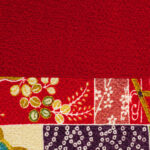
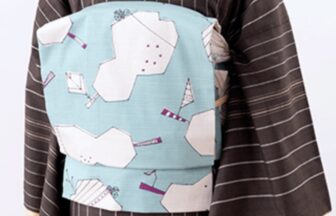
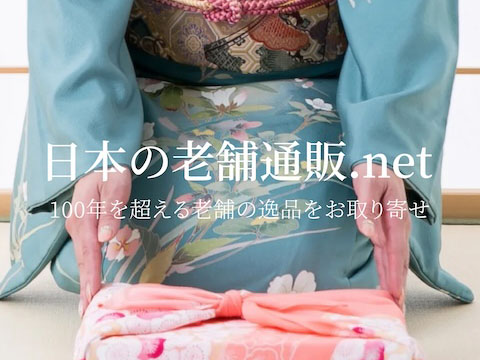
Cloth woven entirely from silk threads spun from cocoons made by silkworms. It is also called “hon-ken” or “jun-ken” (pure silk). It has a unique, elegant luster and is light and soft to the touch. It is said to be comfortable to the touch because its composition is close to that of the protein in human skin. It has excellent moisture retention and breathability, and can be worn warmly in winter. As the best material for kimono, it is widely used for furisode (long-sleeved kimono), tomesode (long-sleeved kimono), coats, long underwear, and men’s kimonos. Disadvantages include its high cost and its susceptibility to stains and yellowing due to its low resistance to water, sunlight, and friction.

新着・おすすめ情報

  1. Seppuku monaka” and “Keikyuu monaka” …… “Shinshodou” produces wagashi that are both humorous and delicious.

  2. Togenuki Jizoson Takaiwanji Temple (Sugamo, Tokyo)

  3. black formal kimono with designs along the bottom of the skirt worn by married women on ceremonial occasions

  4. Ryu Kobo in Nihonbashi has been innovating braided cord culture for more than 130 years.

  5. make

  6. Katori Shrine, Kameido, Tokyo

  7. Suzuki Ruins Museum

  8. What is the definition of “Honjozo”? Words related to Sake

  9. Kimono is an SDG costume. Unused clothes and tenugui (hand towels) can be used as obi sashes.

  10. What does “agari” mean? Its origin is also explained.

  11. 【第7回】蕎麦に欠かせない薬味「葱」と「唐辛子」について

  12. Why is “Koinobori” carp? The reason is said to be based on Chinese folklore.

  13. Preserving Kimono Culture through Tabi Shoes. What is the goal of the long-established Tabi Shoes shop “Ohnoya Fuso-Honten”?

  14. Tokyo’s “Furyu Odori” is the talk of the town since it was selected as a UNESCO Intangible Cultural Heritage site! Tokyo’s “Furyu Odori” gathers in large numbers! Report on Tokyo Folk Performing Arts Festival

  15. Oshima tsumugi weave