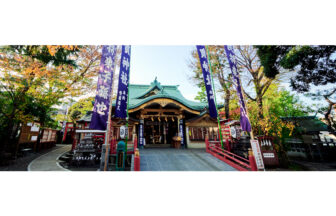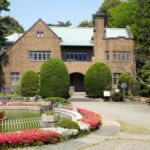
Ichigaya Kameoka Hachiman Shrine (Ichigaya, Tokyo)

Shinto shrineIidabashi/Kagurazaka

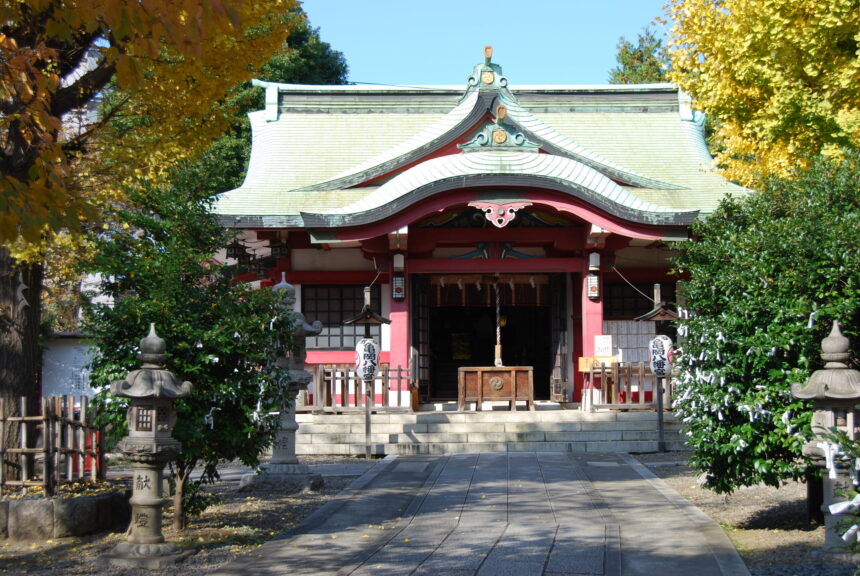
Ichigaya Kameoka Hachiman Shrine (Ichigaya, Tokyo)(Ichigaya kamegaoka hachimangu)

Pet PrayerOta Do-shuhou era (1260.4.13-1261.2.19)walk

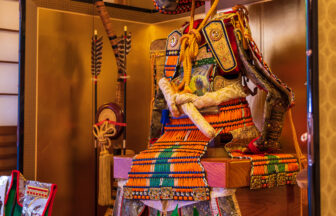
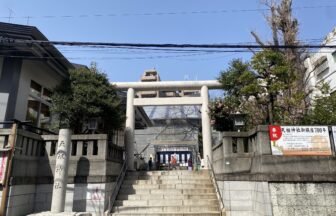
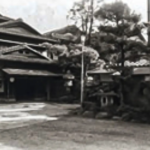
It is said that the shrine was originally built in 1479 by Ota Dokan, a general active in the late Muromachi period (1336-1573), who enshrined a spirit from Tsurugaoka Hachiman-gu Shrine in Kamakura as a guardian deity to the west when he built Edo Castle. The shrine was named Kameoka Hachimangu Shrine in contrast to Tsuruoka, and was revered by the third shogun, Tokugawa Iemitsu, and Keishoin. The shrine’s treasure, a military fan made by Ota Doukan, is a cultural asset of Shinjuku City, and the only copper torii gate (about 5 m high) in the city, built in 1804, can also be seen. The shrine is famous for pet protection and pet prayers.

Spot OutlineOutline

address (e.g. of house) 15 Ichigaya-Hachiman-cho, Shinjuku-ku, Tokyo
Access 3-5 minutes walk from JR/Subway Ichigaya Station

phone 03-3260-1868
Business Hours 5:00-17:00 (when the main shrine is open)
regular closing day nashi (Pyrus pyrifolia, esp. var. culta)
External Links

Official Web Site

Founding and opening of business 1479 (11th year of civilization)

新着・おすすめ情報

  1. What does a “Hands and Feet Master” do? The series of craftsmen who make dolls

  2. He started helping out in the family business as a child and went on to become a part of it. Kimuraya Honten, Asakusa’s oldest doll-shaped yaki store

  3. National Diet Library International Library of Children’s Literature

  4. women’s bridal robe with trailing skirts worn over a kimono

  5. Myohoji Temple (Higashi Koenji, Tokyo)

  6. Responding to customer requests leads to innovation. Leading dairy products company “Nakazawa Dairy Co.

  7. Sarugakuzuka Tomb (Daikanyama, Tokyo)

  8. ratio indicating the quantity of polished rice gained from a given quantity of brown rice (nowadays usually expressed as a percent)

  9. soba noodles eaten on New Year’s Eve

  10. 【第12回】「手打ち」というだけで蕎麦は美味しいわけではない

  11. Yagenbori Fudoin (Nihonbashi, Tokyo)

  12. 【第23回】蕎麦屋店主が考える真の蕎麦「通」の定義

  13. Tokyo National Museum

  14. Where did okame soba originate? Ingredients used are also explained.

  15. 【第8回】江戸時代から語られるぶっかけの由来と食べ方指南