Otakanomichi and Masashino-ike Spring Group

historic siteHachioji, Machida, Fuchu

Otakanomichi and Masashino-ike Spring Group(Otaka no Michi Masugata Pond Springs)

Saraswati (god of wealth, music, eloquence and water)the House of Tokugawapond

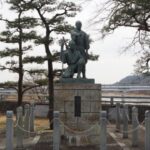
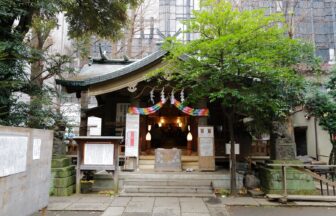
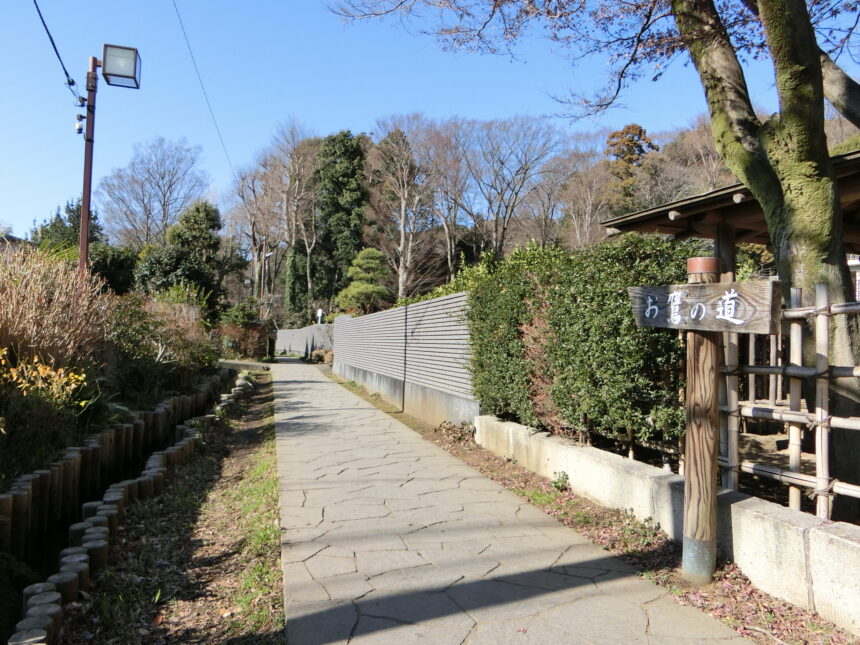
In the Edo period, villages in Kokubunji City were designated as falconry grounds for the Owari Tokugawa family. In honor of this, the path along the clear stream where the springs below the cliff line gather and flow into the Nogawa River was named “Otaka-no-michi” and has been developed as a promenade, which is enjoyed by many people as a seasonal walking path. The “Shinjiri-no-ike” and other springs along the cliff line have been selected as one of the 100 best water sources by the Ministry of the Environment and one of the 57 best springs in Tokyo, for their environmental quality. According to legend, the name “Shinjiri-no-ike” comes from the fact that a woman suffering from a serious illness was healed and returned to her original form (true posture) after purifying herself with the water in this pond. Today, Benzaiten is enshrined at this site.

Spot OutlineOutline

address (e.g. of house) Higashi-Motomachi 3-chome and Nishi-Motomachi 1-chome, Kokubunji City, Tokyo
Access
15-minute walk from Kokubunji Station on JR Chuo Line and Seibu Kokubunji Line, 12-minute walk from Nishikokubunji Station on JR Musashino Line
Business Hours always open
regular closing day nashi (Pyrus pyrifolia, esp. var. culta)
External Links

Official Web Site

Founding and opening of business Edo period (1603-1868 CE)

新着・おすすめ情報

  1. 吉原神社(東京・三ノ輪)

  2. fried dough cake

  3. Kakurinji Temple (Shirokanedai, Tokyo)

  4. Shiba Daimon Sarashina Nunoya

  5. 【第1回】蕎麦の実の殻を完全に取り除いて作る「江戸蕎麦」

  6. What are “Ichimatsu Dolls”? It was made to resemble a certain Kabuki actor in the Edo period.

  7. Horikirishobuen (Horikiri Shobuen, Tokyo)

  8. What is the origin of “May dolls” displayed on Dragon Boat Festival?

  9. brewer’s rice

  10. What is “Yanagawa Hot Pot”?

  11. Japanese doll” is a generic term for dolls traditionally made in Japan. What types are there?

  12. For over 300 years in Nihonbashi, we have continued to develop products that meet the needs of the times. Long-established “Nimben” dried bonito flakes

  13. ratio indicating the quantity of polished rice gained from a given quantity of brown rice (nowadays usually expressed as a percent)

  14. ridges on a blade (sword, knife, etc.)

  15. various