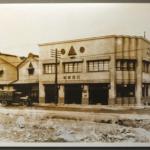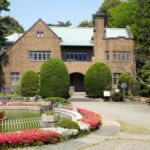
Suzuki Ruins Museum

historic ruins (remains, relics)Higashimurayama, Ome, Okutama

Suzuki Ruins Museum(Suzuki Remains Museum)

old stone age

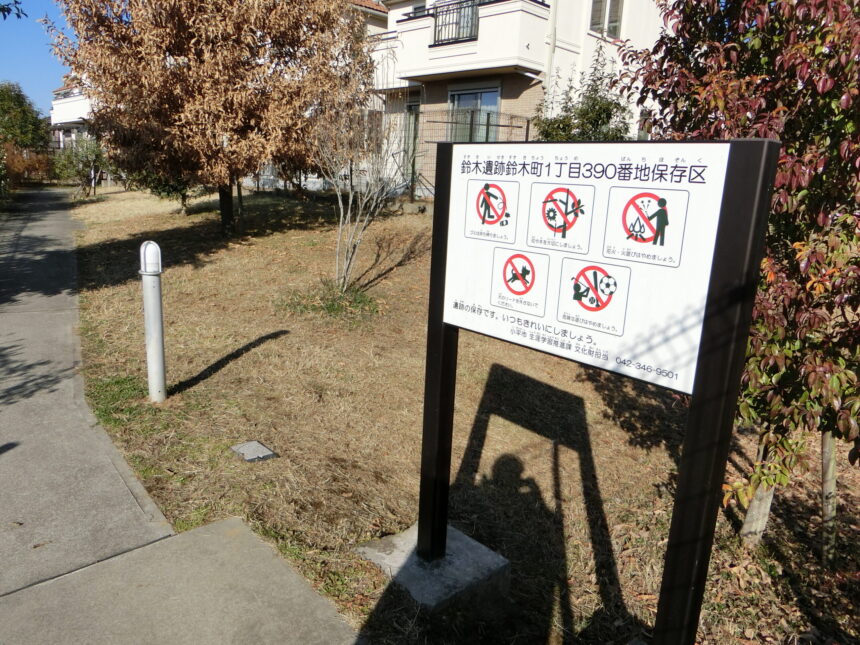
The Suzuki Site is a large-scale Paleolithic site formed in the center of the Musashino Plateau near the headwaters of the Shakujii River, and is known as a representative site of the Late Paleolithic period (38,000 to 16,000 years ago) in Japan, and was designated as a National Historic Site in 2021. Old stone tools and other artifacts excavated during the excavation are on display at a museum near the ruins. The site is now a school and residential area, but there is a signboard that reads “Suzuki Ruins Preservation Area” in a residential area about a 5-minute walk east from the museum.

Spot OutlineOutline

address (e.g. of house) 1-487-1, Suzuki-machi, Kodaira-shi, Tokyo
Access 25 minute walk from Hanakoganei Station on the Seibu Shinjuku Line.

phone 042-323-2233
Business Hours 10:00~16:00
regular closing day Monday, Tuesday, Thursday, Friday (open on national holidays), Year-end and New Year holidays
External Links

Official Web Site

Founding and opening of business 1981, (the Suzuki site itself is in the Paleolithic period).

新着・おすすめ情報

  1. 【第1回】蕎麦の実の殻を完全に取り除いて作る「江戸蕎麦」

  2. Eagle Shrine

  3. Kamiya Bar, the oldest bar in Japan, well-known for its Denki Bran, and its innovations through the ages.

  4. single pattern on the entirety of a garment

  5. Philosophical Hall Park (Araiyakushi, Tokyo)

  6. Namikaze Shrine (Tsukiji, Tokyo)

  7. small coloured sugar candy covered in bulges

  8. What is nigori sake? There are multiple types and flavors of nigori sake.

  9. Sticking to domestically produced raw materials, each tooth is spun by hand. The commitment of the long-established “Juso Yakushi-ten” (Juso Yakushi Shop)

  10. What is meant by “santai zorai” offered for the May dolls?

  11. Manners for visiting shrines and temples: money offering, how to pray, how to get a red seal, etc.

  12. New Year’s gift (usu. money given to a child by relatives and visitors)

  13. Hamura Intake Weir

  14. Japanese yam (Dioscorea japonica)

  15. Tsukiji Honganji Temple