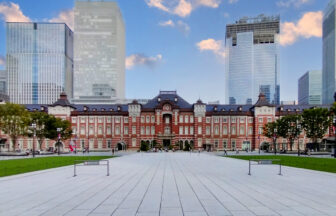
Hotel New Otani, Tokyo, Japan

Ryokan/HotelAzabu, Akasaka, Roppongi

Hotel New Otani, Tokyo, Japan(Hotel New Otani (Hotel New Otani )

daimyo’s suburban residencewalkJapanese-style garden

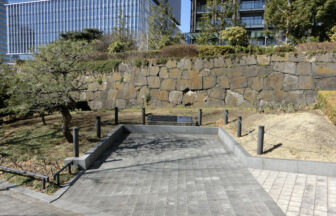
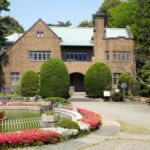
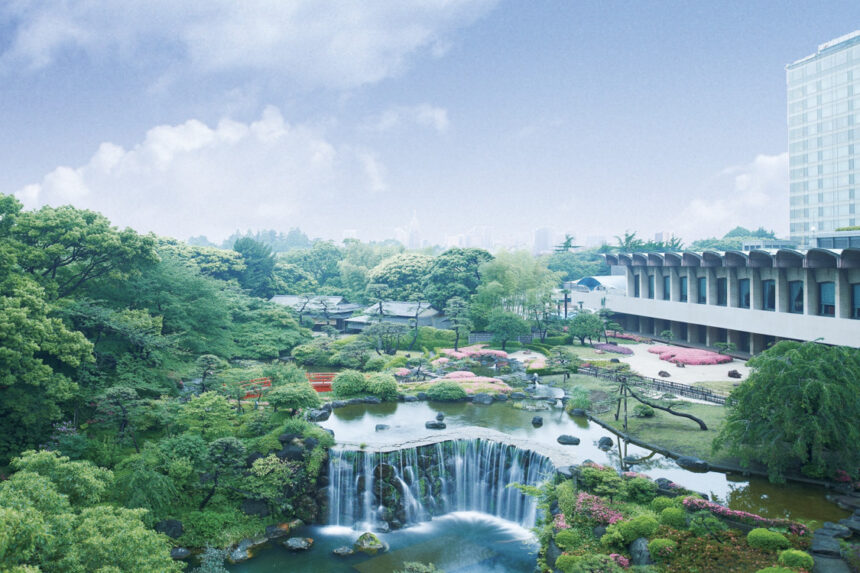
The area around the Hotel New Otani, Tokyo, was once the residence of the Ii family of the Hikone domain. In the early Edo period (1603-1867), there was a residence of the warlord Kiyomasa Kato, which was later taken over by the Ii family and used until the end of the Edo period (1603-1868). Later, it became the residence of the former imperial family, the Fushimi-Miya family, and then the residence of the hotel’s founder, Yonetaro Otani, and the hotel was built at the request of the government on the occasion of the 1964 Tokyo Olympics. The vast Japanese garden of approximately 40,000 m2 includes a powerful large waterfall, karesansui (dry landscape garden), and ponds, and is open to visitors other than hotel guests. Visitors can also see the remains of the Ii family’s mansion, lanterns and fossils of large trees that have remained from the Edo period, and feel the 400-odd years of history of this place.

Spot OutlineOutline

address (e.g. of house) 4-1 Kioi-cho, Chiyoda-ku, Tokyo
Access 5 min. from JR and Subway Yotsuya Sta.

phone 03-3265-1111
Business Hours 6:00~22:00
regular closing day without a holiday
External Links

Official Web Site

Founding and opening of business 1964 (Showa 39)

新着・おすすめ情報

  1. What is the origin of the term “chilled sake”? Words related to sake

  2. Takahata Fudo Kongoji Temple

  3. Ruins of Ooka Echizenmamori Tadasada’s villa

  4. Katsusenji Temple (Kitasenju, Tokyo)

  5. kasuri

  6. Ome Shinmachi Oido (Ome, Tokyo)

  7. Walking with the owner of a long-established restaurant and an expert] Part 1: Tracing the history of Shibadaimon with the 7th generation owner of “Shibadaimon Sarashina Nunoya

  8. What does “Namida (sushi)” mean?

  9. box lunch (containing rice and 10-15 small portions of fish, meat, and vegetables)

  10. Before the Edo period, “Dedication confectionery” was a top-quality confectionery made with white sugar.

  11. The simple taste of Kototoi dumplings that you never get tired of no matter how many times you try them.

  12. Shinagawa Shrine (Kita-Shinagawa, Tokyo)

  13. graupel

  14. What is the origin of the word “toji” in sake brewing? Words related to sake

  15. A gem loved by literary giants! What is the charm of “Haniage Dango,” the ultimate in simplicity?