Akasaka Imperial Villa

constructionAzabu, Akasaka, Roppongi

Akasaka Imperial Villa(Geihinkan-Akasakarikyu)

palace

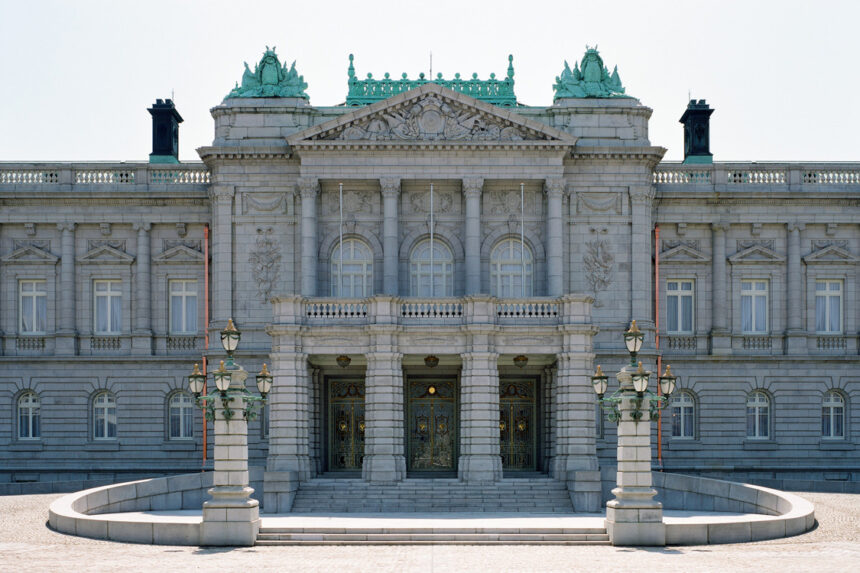
Constructed over a period of 10 years from 1899 (Meiji 32) as the Crown Prince’s Palace, it is Japan’s only neo-baroque style palace architecture. It is the masterpiece of architect Tokuma Katayama. It has been a stage for diplomacy, hosting international conferences, summit meetings, and banquets, but is now open to the public and was designated a National Treasure in 2009. The rooms for official use, including the Asahi no ma, Sairan no ma, Hagoromo no ma, and Kacho no ma, are decorated with elegant decorations and precious oil paintings, and the museum’s interior is sure to provide an extraordinary experience. Visitors can also tour the Japanese-style annex if they request a tour in advance through the official website.

Spot OutlineOutline

address (e.g. of house) 2-1-1 Motoakasaka, Minato-ku, Tokyo
Access 7 minutes from JR and Subway Yotsuya Station

phone 03-5728-7788 (Inquiries about general visitation)
Business Hours 10:00-17:00 (last admission at 16:00 for the Honkan; for the Japanese-style annex, advance application for the guided tour is required through the Geihinkan website)
regular closing day Wednesday
External Links

Official Web Site

Founding and opening of business 1909 (42nd year of Meiji era)

新着・おすすめ情報

  1. They also restore ancient musical instruments used in traditional performing arts. Okadaya Fuse’s Struggle to Preserve Traditional Japanese Culture

  2. Hoonji Temple (Kinshicho, Tokyo)

  3. Komagata Dozeu, a famous restaurant with a history of more than 200 years, serves dojo cuisine.

  4. Yamamoto-Tei (aristocratic group of pious men)

  5. Tozenji Temple (Shinagawa, Tokyo)

  6. What is “Yanagawa Hot Pot”?

  7. Eitaro Fuhonshop located at the foot of Nihonbashi Bridge. Traditional techniques and a desire to “create new wagashi

  8. The simple taste of Kototoi dumplings that you never get tired of no matter how many times you try them.

  9. part of the palace where important ceremonies were held

  10. Yanaka Cemetery

  11. Manners Related to Tea: How to Make and Serve Delicious Tea, and Manners for Receiving Tea

  12. Tokyo Station Marunouchi Station Building

  13. Sensoji Temple

  14. long sword

  15. Manju, Monaka, Daifuku, etc.: Manners for Eating Wagashi without Worrying about Public Appearances Anymore