bone at the base of a fin

sushi

bone at the base of a fin(ENGAWA)

bastard halibutfish

It refers to the muscle at the base of the dorsal and tail fins of flounder and flatfish, and is characterized by its firm texture. It is said that the name was derived from the appearance of the muscles with threads, which resemble the “edge” of a Japanese house. Both fish have the habit of not only swimming but also diving into the sand, which allows the muscles in their fins to develop easily, creating a unique texture that is unique to the Engawa. However, because flounder is a small and expensive fish, flatfish engawa is a rare part of the fish. Therefore, most conveyor-belt sushi restaurants use “flatfish” or “halibut,” a fish in the same family as flatfish, for their engawa. Both of these fish are caught in larger quantities than flatfish, and because they are larger, they can be served at a lower price.

新着・おすすめ情報

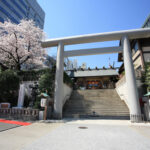
  1. Toyokawa Inari Tokyo Betsuin (Akasaka, Tokyo)

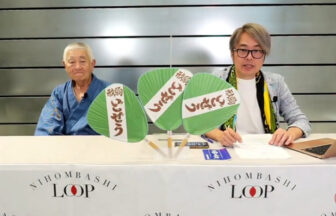
  2. 【第21回】古文書から紐解く江戸につながる「そば切り」の伝承

  3. ratio indicating the quantity of polished rice gained from a given quantity of brown rice (nowadays usually expressed as a percent)

  4. Explanation of the origin of Chirashi-zushi, ingredients used, etc.

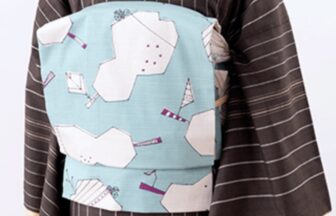
  5. Kimono is an SDG costume. Unused clothes and tenugui (hand towels) can be used as obi sashes.

  6. Ryu Kobo in Nihonbashi has been innovating braided cord culture for more than 130 years.

  7. brewer’s rice

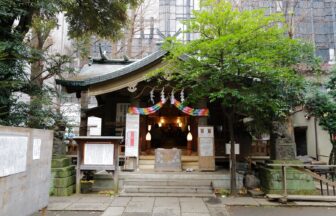
  8. Gotokuji Temple (Setagaya, Tokyo)

  9. 【第2回】美味しい蕎麦屋を見分けるコツは、お客様の「姿勢」を見ること

  10. Shinagawa Shrine (Kita-Shinagawa, Tokyo)

  11. What is Dragon Boat Festival?

  12. Nitta Shrine (Musashishinden, Tokyo)

  13. polearm

  14. For over 300 years in Nihonbashi, we have continued to develop products that meet the needs of the times. Long-established “Nimben” dried bonito flakes

  15. What is the temperature of “hot sake?” Explaining the Temperature of Heated Sake [Words Related to Sake].