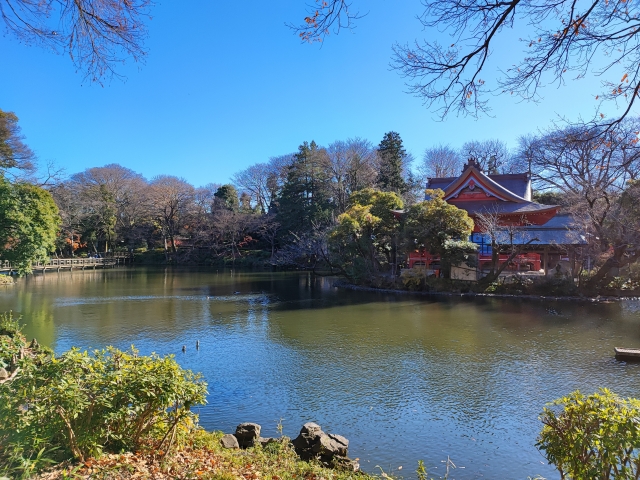
Inokashira Onshi Park

Parks & GardensKichijoji, Suginami

Inokashira Onshi Park(Inokashira Park)

cherry blossom viewingtaking one’s children along (to an event, into a new marriage, etc.)Onshi Parkfirst (of its kind) in Japancherry tree

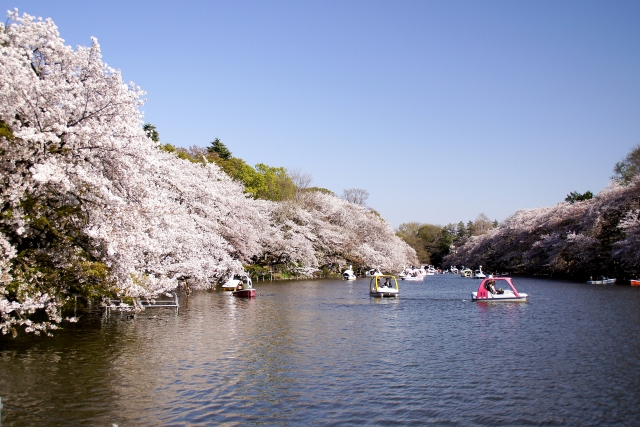
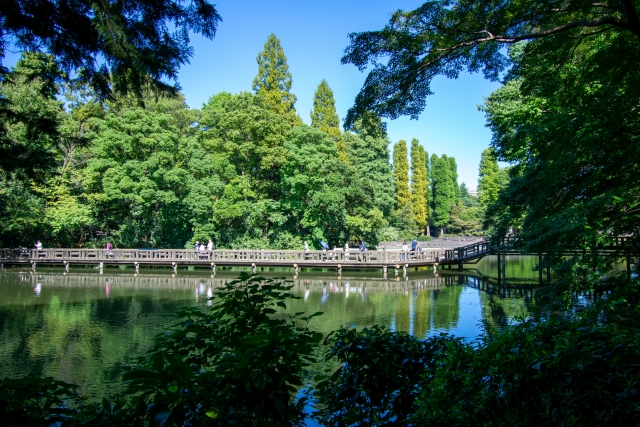
Inokashira Pond has been a famous scenic spot and an important water source for Edo since the Edo period (1603-1868), but in the Meiji period (1868-1912) it became an imperial estate. However, in 1913, it was given to the City of Tokyo, and four years later opened as Japan’s first Imperial Gift Park and Japan’s first suburban park. Today, the park is well known as a valuable green space adjacent to a residential area. The park is divided into four areas: the Inokashira Pond area, the wooded Gotenyama area, the West Garden with sports facilities, and the Second Park. The Inokashira Pond area is on low ground, while the Gotenyama area is on higher ground, allowing visitors to enjoy the varied landscape.

Spot OutlineOutline

address (e.g. of house) 1-18-31 Gotenyama, Musashino-shi, Tokyo
Access 5 minutes walk from Kichijoji Station on JR Chuo Line and Keio Inokashira Line, 1 minute walk from Inokashira Koen Station on Keio Inokashira Line.

phone 0422-47-6900
Business Hours The park is always open (separate opening hours and service hours apply for the Inokashira Cultural Park, Mitaka-no-mori Ghibli Museum, sports facilities, etc.).
regular closing day None (Inokashira Cultural Park, Mitaka-no-mori Ghibli Museum, sports facilities, etc. have separate regular closing days and holidays)
External Links

Official Web Site

Founding and opening of business 1917 (Taisho 6)

新着・おすすめ情報

  1. Long-established souvenirs to buy in Asakusa! 6 recommendations including famous Japanese sweets [Food].

  2. Expressing a unique taste using ingredients that can be found anywhere. The long-established Kimuraya Honten Ningyo-yaki store’s commitment to quality

  3. sand pit

  4. broiled eel

  5. Former Main Building of the Ministry of Justice (Kasumigaseki, Tokyo)

  6. New Year’s gift (usu. money given to a child by relatives and visitors)

  7. rolled sushi with rice and other ingredients

  8. Bon Festival gifts

  9. Tokyo Station Marunouchi Station Building

  10. box lunch (containing rice and 10-15 small portions of fish, meat, and vegetables)

  11. refined Japanese sugar

  12. Explanation of the origin of Chirashi-zushi, ingredients used, etc.

  13. Shofukuji Temple (Higashimurayama, Tokyo)

  14. Definitions of “Daiginjo-shu” and “Junmai Daiginjo-shu” [Words Related to Sake].

  15. 【第1回】蕎麦の実の殻を完全に取り除いて作る「江戸蕎麦」