Zojoji Temple

temple (Buddhist)turf

Zojoji Temple(Zojoji- Temple)

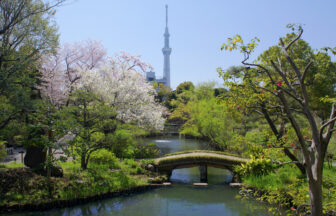
cherry blossom viewinglocation thought to be flowing with mystical energy

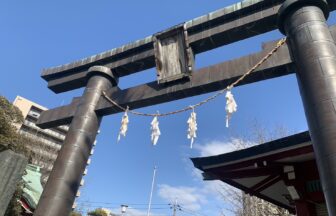
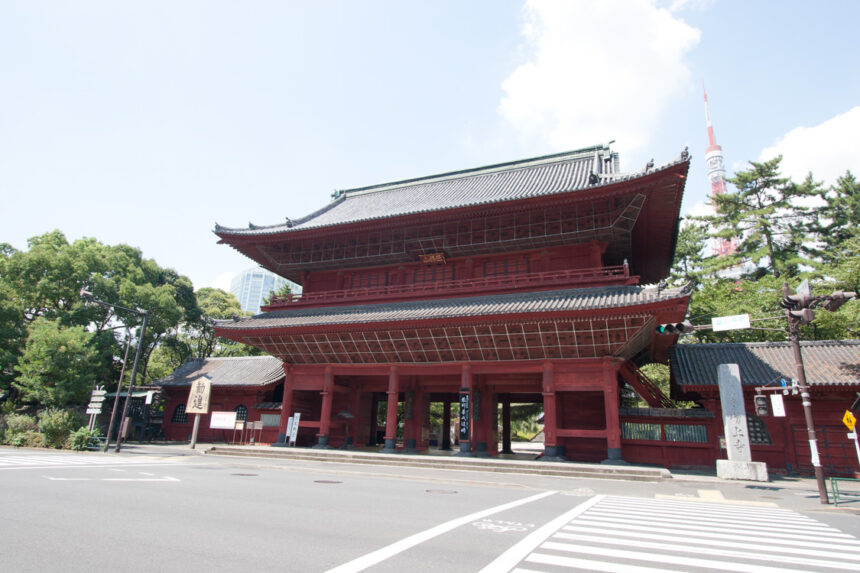
One of the seven head temples of the Jodo sect, it was founded in the Muromachi period (1336-1573) by Priest Yuho Shoso as a fundamental center of nenbutsu (the recitation of the Lotus Sutra). Originally located in Hirakawacho, Chiyoda-ku, Tokyo, the temple became a family temple of the Tokugawa family when Ieyasu Tokugawa entered Edo in 1590, and was moved to its current location in 1598. During the Edo period (1603-1868), a large temple building was constructed and the temple prospered repeatedly. Although the valuable hall was lost in a great fire during the Meiji period (1868-1912) and war damage during the Showa period (1926-1989), it was restored after the Showa period (1926-1989) and the magnificent main hall was reconstructed. Recently, the temple has become popular as a power spot for improving one’s luck in winning.

Spot OutlineOutline

address (e.g. of house) 4-7-35 Shiba-Koen, Minato-ku, Tokyo
Access 10 minutes from JR/Tokyo Monorail Hamamatsucho Station, 3 minutes from Onarimon Subway Station, 3 minutes from Shibakoen Subway Station, 5 minutes from Daimon Subway Station, 7 minutes from Akabanebashi Subway Station, 10 minutes from Kamiyacho Subway Station

phone 03-3432-1431
Business Hours 9:00~17:00
regular closing day nashi (Pyrus pyrifolia, esp. var. culta)
External Links

Official Web Site

Founding and opening of business 1393 (4th year of Meitoku)

新着・おすすめ情報

  1. mixture of boiled beans, jelly cubes, fruit pieces and molasses

  2. semi-formal kimono for women

  3. bones left after cremation (esp. those of a Buddha or Boddhisatva)

  4. Ginza Matsuzaki Senmochi, a long-established shop, depicts tradition and innovation with its signature product “kawara senbei” (tile rice cracker).

  5. Samurai dolls” for Dragon Boat Festival. When did they come to be displayed?

  6. triangles of sweet rice jelly topped with adzuki beans (eaten in the sixth month)

  7. Musashi Fuchu Kumano Shrine Tomb (Fuchu, Tokyo)

  8. Tokyo’s “Furyu Odori” is the talk of the town since it was selected as a UNESCO Intangible Cultural Heritage site! Tokyo’s “Furyu Odori” gathers in large numbers! Report on Tokyo Folk Performing Arts Festival

  9. What kind of brewing method is “Yamahai-brewing”? Words related to Sake

  10. For over 300 years in Nihonbashi, we have continued to develop products that meet the needs of the times. Long-established “Nimben” dried bonito flakes

  11. Where does the name “Sakura Denbu” come from? How is it made?

  12. Kamiya Bar, the oldest bar in Japan, well-known for its Denki Bran, and its innovations through the ages.

  13. 【第15回】江戸蕎麦の流儀〜蕎麦の茹で方編〜

  14. arms

  15. Sticking to domestically produced raw materials, each tooth is spun by hand. The commitment of the long-established “Juso Yakushi-ten” (Juso Yakushi Shop)