New Year’s decorations

Other Traditional & Japanese Culture

New Year’s decorations(shogatsukazari)

New Year

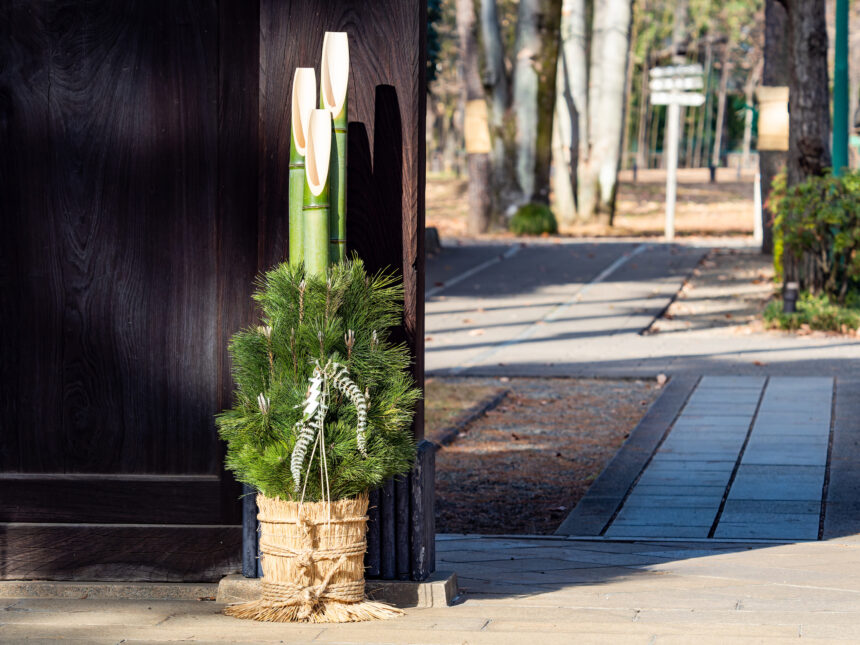
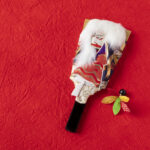
Decorations to welcome the god of the year at the beginning of the year to bring a bountiful harvest and happiness. Kadomatsu, shimenawa (sacred straw ropes), and rinne decorations are examples of such decorations. These decorations are also used to ward off evil spirits and wish for the child’s good health on the first day of the New Year. It was customary to present and decorate a hakkai for a boy’s first New Year’s gift and a hakoita for a girl’s. Decorations are usually begun in mid-December and put away by the following year’s koshogatsu (January 14-16), but some families keep the hakkai, hakkai arrow and hakoita displayed all year round to ward off evil and evil spirits.

新着・おすすめ情報

  1. When did the Hina Matsuri (Peach Festival) begin?

  2. Japanese doll” is a generic term for dolls traditionally made in Japan. What types are there?

  3. 【第8回】江戸時代から語られるぶっかけの由来と食べ方指南

  4. Hakata doll

  5. 【第19回】家庭でも美味しく乾麺の蕎麦を茹でる方法

  6. Inari-zushi

  7. Old Furukawa Garden (Komagome, Tokyo)

  8. Shirokiya Denbei, a long-established shop of all-natural, 99% handmade Edo-style brooms. Why has the tradition been preserved for nearly 200 years?

  9. Definitions of “Daiginjo-shu” and “Junmai Daiginjo-shu” [Words Related to Sake].

  10. 浅草

  11. How do you read “shicho”? What do the different expressions mean? Hina Dolls

  12. Ikegamihonmonji Temple

  13. Zuijin” is a male doll that serves as an escort for O’naira-sama [Hina Dolls].

  14. What is the story behind the “Edo fast food” that has been loved for 200 years? Komagata Dozeyu

  15. black formal kimono with designs along the bottom of the skirt worn by married women on ceremonial occasions