Suzuki Ruins Museum

historic ruins (remains, relics)Higashimurayama, Ome, Okutama

Suzuki Ruins Museum(Suzuki Remains Museum)

old stone age

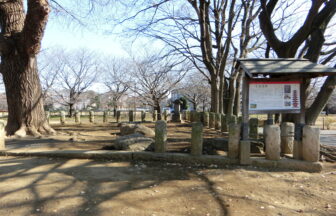
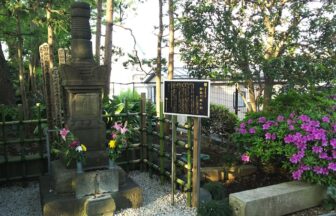
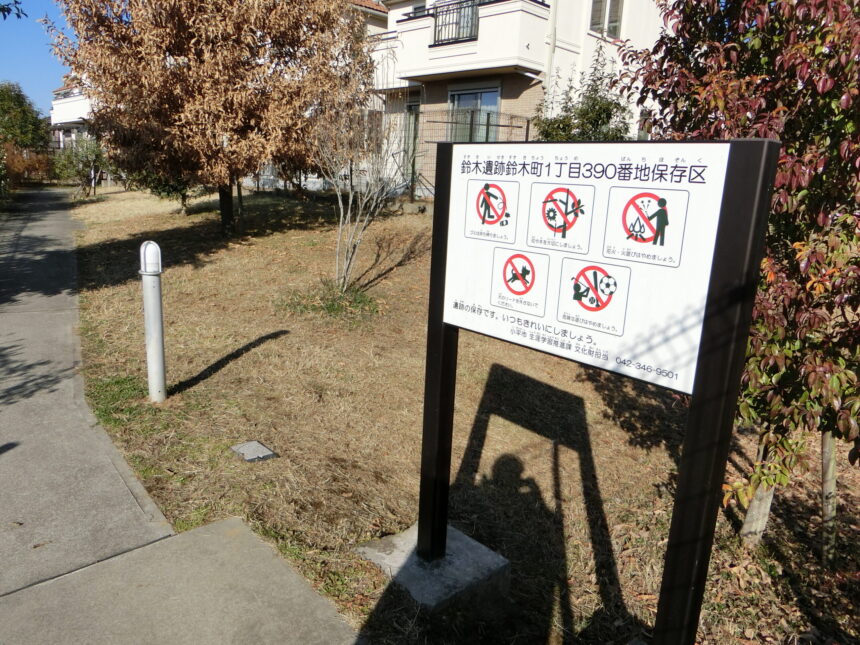
The Suzuki Site is a large-scale Paleolithic site formed in the center of the Musashino Plateau near the headwaters of the Shakujii River, and is known as a representative site of the Late Paleolithic period (38,000 to 16,000 years ago) in Japan, and was designated as a National Historic Site in 2021. Old stone tools and other artifacts excavated during the excavation are on display at a museum near the ruins. The site is now a school and residential area, but there is a signboard that reads “Suzuki Ruins Preservation Area” in a residential area about a 5-minute walk east from the museum.

Spot OutlineOutline

address (e.g. of house) 1-487-1, Suzuki-machi, Kodaira-shi, Tokyo
Access 25 minute walk from Hanakoganei Station on the Seibu Shinjuku Line.

phone 042-323-2233
Business Hours 10:00~16:00
regular closing day Monday, Tuesday, Thursday, Friday (open on national holidays), Year-end and New Year holidays
External Links

Official Web Site

Founding and opening of business 1981, (the Suzuki site itself is in the Paleolithic period).

新着・おすすめ情報

  1. women’s bridal robe with trailing skirts worn over a kimono

  2. Ruins of Suzugamori Penitentiary (Omori, Tokyo)

  3. Ginza Suze Jizo Son (Ginza, Tokyo)

  4. Edo-Tokyo Open-Air Architectural Museum (Koganei, Tokyo)

  5. 浅草

  6. What kind of brewing method is “Yamahai-brewing”? Words related to Sake

  7. someone who is unable to apply what they have read

  8. oldest surviving traditional style of sake making

  9. 【第1回】蕎麦の実の殻を完全に取り除いて作る「江戸蕎麦」

  10. 【第8回】江戸時代から語られるぶっかけの由来と食べ方指南

  11. gelidium jelly strips (made from agar-agar)

  12. Pushing aside the opposition of employees? The importance of reform, as seen by the long-established “Tokiwa-do Thunder Stirrers”.

  13. Long-established Tabi Shoes supported by all generations. Ohnoya Fuso-Honten” continues to make Tabi Shoes with all our hearts.

  14. sweet burdock and miso-bean paste covered with a thin layer of mochi

  15. 【第17回】「田舎蕎麦」と「更科蕎麦」の違いとは