Otomeyama Park (Takadanobaba, Tokyo)

Parks & GardensShinjuku, Nakano

Otomeyama Park (Takadanobaba, Tokyo)(Otomeyama Park)

(public) park57 famous springs in Tokyofalconry range

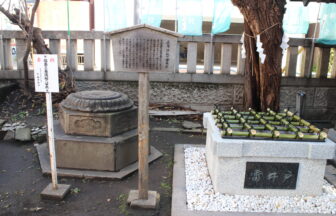
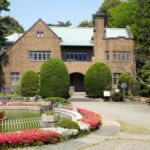
Otomeyama Park is located on a slope formed by the Kanda River, called the Ochiai Cliff Line, where a green space with spring water has been spreading since ancient times. In the Edo period (1603-1867), the area was used as a falconry ground for the shoguns, and was called Otomeyama (御留山・御禁山) because commoners were not allowed to enter the area. During the Meiji and Taisho periods, many mansions were built in this green area, and the Soma family built a garden and a mansion on this land. The land was later sold, but encouraged by citizens’ voices, Shinjuku City opened this land as a park in 1969 (Showa 44). The spring water in the park has also been selected as one of the “57 Famous Springs of Tokyo.

Spot OutlineOutline

address (e.g. of house) 2-10 Shimo-Ochiai, Shinjuku-ku, Tokyo
Access 10 minutes from JR and subway Takadanobaba Station

phone 03-5273-3914
Business Hours 7:00-19:00 (April-September), 7:00-17:00 (October-March)
External Links

Official Web Site

Founding and opening of business 1969 (Showa 44)

新着・おすすめ情報

  1. Old Furukawa Garden (Komagome, Tokyo)

  2. What kind of doll is “Oyama Doll”? What is the origin of the name?

  3. What is the meaning of “hi-ire” in sake making? Words related to Sake

  4. The 2nd “Sake Samurai”s Tour of Tokyo’s Long-established Sake Breweries with Yuki Aoi

  5. mixture of boiled beans, jelly cubes, fruit pieces and molasses

  6. Railroad starting point 0 leagues sign (Shinbashi, Tokyo)

  7. Oji Shrine (Oji, Tokyo)

  8. Takahata Fudo Kongoji Temple

  9. Bodhi yeast mash starter

  10. soup served at the end of a traditional Japanese dinner

  11. The same manufacturing method since the establishment of the company. Interview with Satoru Nakamura, 7th generation owner of Shirokiya Nakamura Denbei Shoten, who weaves Edo brooms using craftsmanship passed down from generation to generation .

  12. lined kimono

  13. Changing flavors and characteristics from generation to generation: the management strategy of the long-established “Tokiwando Thunder Stirrers’ Okoshi Honpo,” founded in 1816.

  14. Tsukiji Honganji Temple

  15. 【第7回】蕎麦に欠かせない薬味「葱」と「唐辛子」について