someone who is unable to apply what they have read

Japanese clothing

someone who is unable to apply what they have read(Ohashori)

Japanese clothesclothing

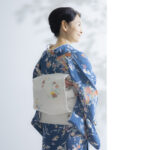
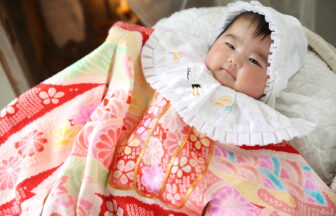
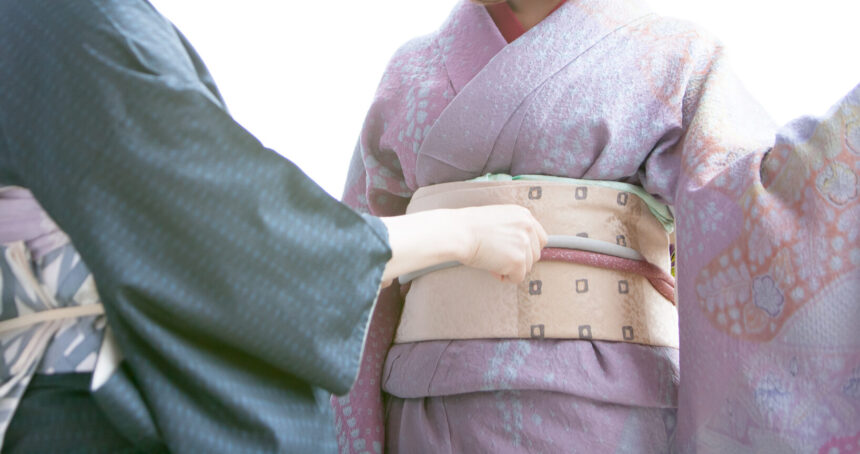
When wearing such a kimono, it is folded over at the waist to adjust the length, which is called “Ohataori. The folded part is also called “ohataori. The obi is fastened over the ohata-fold, and it is considered to be in good shape when it protrudes 6 to 7 cm (about the length of your finger) from the bottom of the obi. The length of the kimono can be adjusted when the height of the wearer grows or the hem of the kimono becomes damaged. Until the early Edo period, kimonos were tailored at the length of the kimono, but gradually the length of the kimono became longer, and when going out, kimonos were worn with the hem of the kimono lifted up by an obi sash, called “hem karaage. It was not until the middle of the Meiji period (1868-1912) that people began to wear kimonos with the omakage as we do today.

新着・おすすめ情報

  1. Yigyoin Temple / Sukeroku and Agemaki Hiezuka (Takenotsuka, Tokyo)

  2. Tobifudo Shohoin Temple (Minowa, Tokyo)

  3. The 2nd “Sake Samurai”s Tour of Tokyo’s Long-established Sake Breweries with Yuki Aoi

  4. A Walk in Edo with Old Maps] No. 6: Kagurazaka is full of historical attractions. From alleys where you can feel the Edo period to wooden buildings of the Showa period

  5. Manju, Monaka, Daifuku, etc.: Manners for Eating Wagashi without Worrying about Public Appearances Anymore

  6. Enoki mushroom (Hypsipetes amaurotis)

  7. Setagaya Daikan Yashiki

  8. What does a “prop maker” do? The Craftsman Who Creates Puppets Series

  9. part of the palace where important ceremonies were held

  10. Shimotani Shrine

  11. What does a “dresser” do? Craftsmen who make dolls series

  12. yukata (light cotton kimono worn in the summer or used as a bathrobe)

  13. What is the origin of the term “chilled sake”? Words related to sake

  14. 日本橋

  15. Okunitama Shrine (Fuchu, Tokyo)