A gem loved by literary giants! What is the charm of “Haniage Dango,” the ultimate in simplicity?

The Five Secret Secrets of Long-established BusinessesUeno, Yanaka, Nipporidangocafe featuring Japanese-style sweetsvalley in a deep mountain valley

Bringing the best of Japan to the world, and the best of the world to Japan, agatajapan.

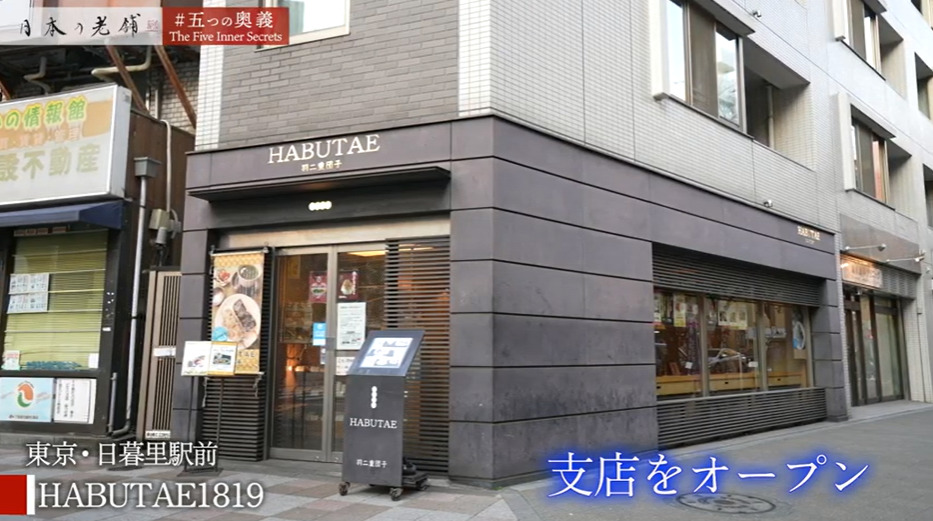
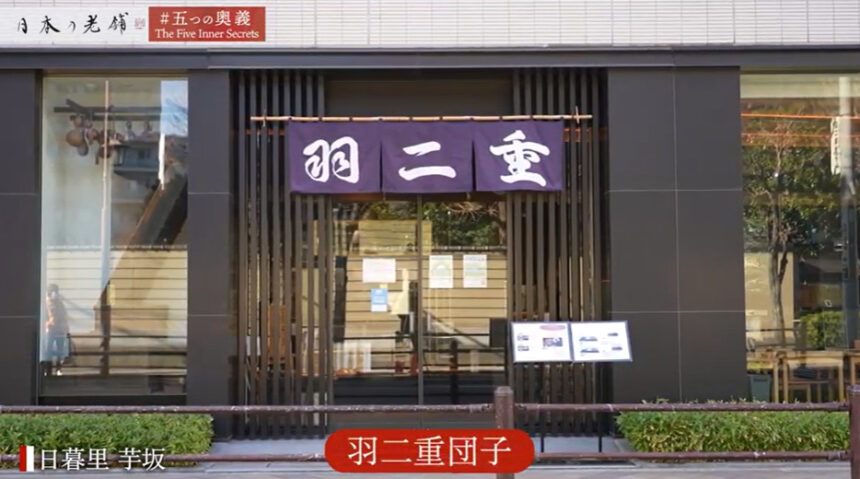
Japan is one of the few countries in the world where there are more than 33,000 long-established shops that have been in business for a hundred years. In this series of articles, we interview the owner of one of these long-established businesses about the “five secrets” that make a long-established business a “long-established” business. The long-established shop we interviewed this time is Habutae Dango, a dumpling shop established in 1819 and loved by great writers such as Masaoka Shiki and Natsume Soseki. The dumplings are seasoned only with soy sauce. What is the “dumpling of the utmost simplicity” that allows you to taste the deliciousness of the ingredients as they are?

Habutae dumplings,” fine-textured like the silk fabric Habutae

In making dumplings, we take a lot of time and effort,” he says. Simple things can’t be fooled.

So says Shuichi Sawano, the seventh generation owner of Habutae Dango.

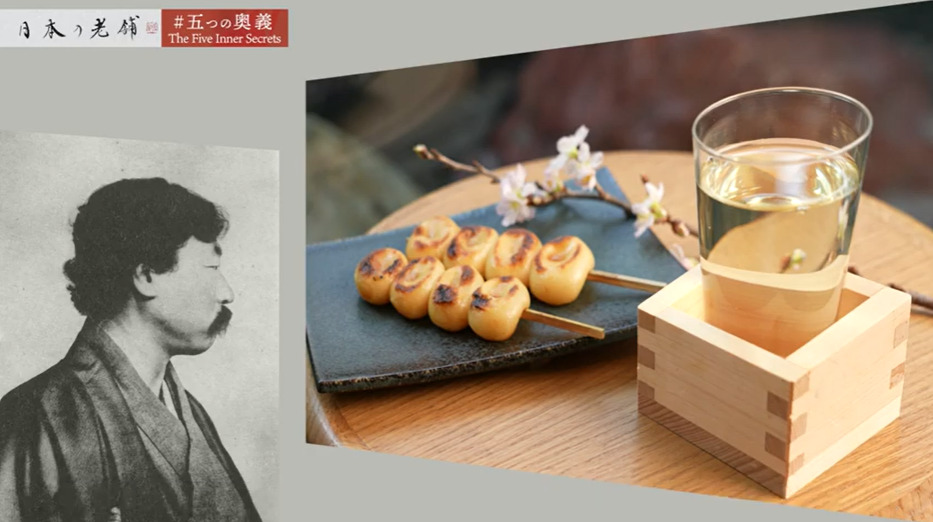
Habutae dumplings are shiny, sticky, and have a firm texture. They are so named because of their fine texture like the silk fabric “Habutae”.

Haniage dumplings are characterized by their flat shape. Originally, dumplings were introduced from China as the original “danki,” a pile of round objects as offerings to the gods and Buddha. However, when the common people were afraid to eat offerings made to the gods, the dumplings were reshaped and sold in this way.

When we actually flattened the baked dumplings, we found that this shape allows the dumplings to be cooked to the core, and we have been sticking to the flat shape ever since.

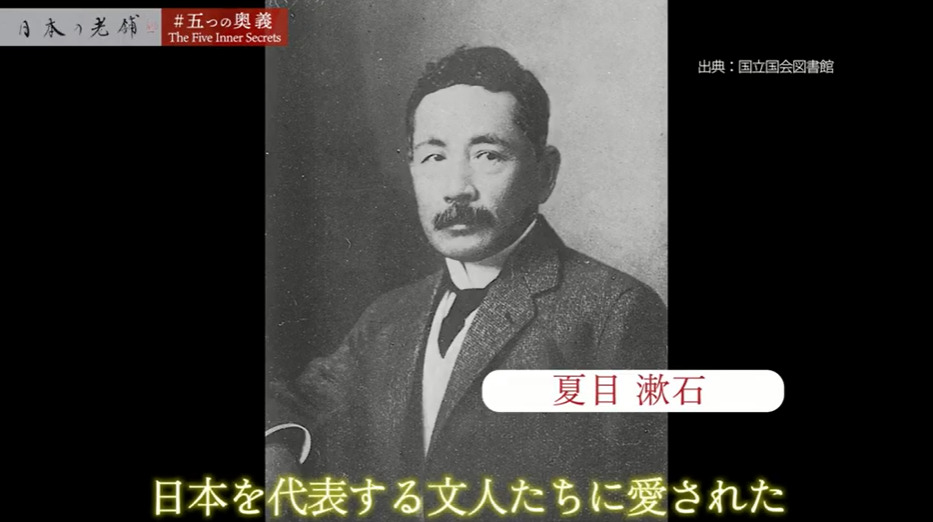
Haniage dango was loved by some of Japan’s greatest writers, including Soseki Natsume and Shiki Masaoka. In particular, Shiki Masaoka seemed to eat them frequently until his death in 1902, and even wrote in his essay “Erogyo Manroku (Lying on the Floor),” written when he was bedridden, that he “ate three baked dumplings with anko (red bean paste), one baked dumpling, and one baked dumpling.

He had a tremendous appetite, and perhaps the only way to live was to eat. We are grateful that he wrote down in his diary such a magnificent story.

Five secrets of long-established shops No. 1: Twice baking and twice soaking so that the flavors soak in well.

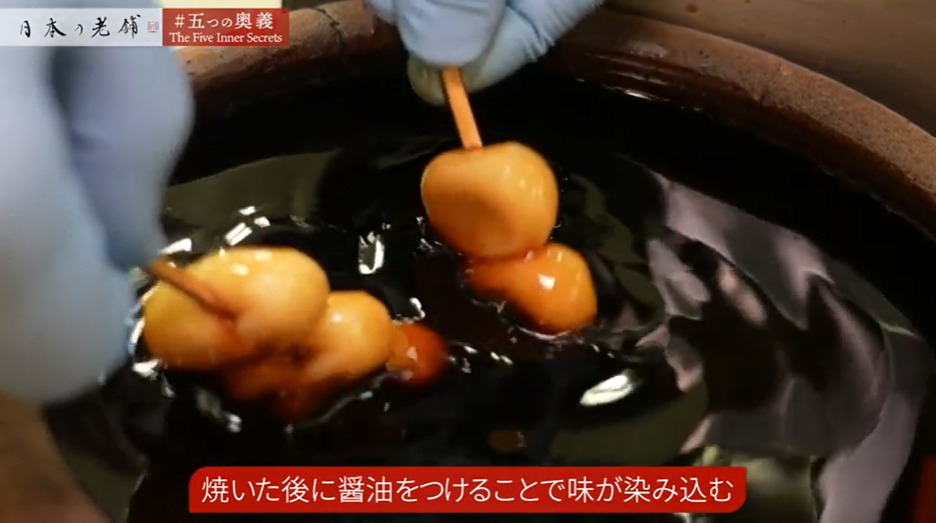
Haniage dumplings have two baking processes. First, the back side is browned, then the surface is dipped in soy sauce, and finally, the dumpling is dipped again in soy sauce. The soy sauce is dipped into the dough after baking the dumplings once to allow the flavor to soak in.

The seasoning has been Kikkoman’s dark soy sauce since the beginning of the Edo period. We do not use our own unique blend of soy sauce, but rather, the taste of the soy sauce itself.

The simple manufacturing process brings out the flavor of the ingredients as they are. The smooth texture and aroma of soy sauce give it a unique taste,” says Sawano.

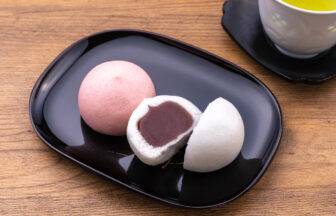
The bean-jam dumplings are made with less sugar to bring out the flavor of the azuki beans. The dumplings become soft or hard depending on how long they are cooked, but the trick is to make them relatively “hard”.

Five secrets of long-established shops No. 2: Hand-stick dumplings with all your heart, one by one.

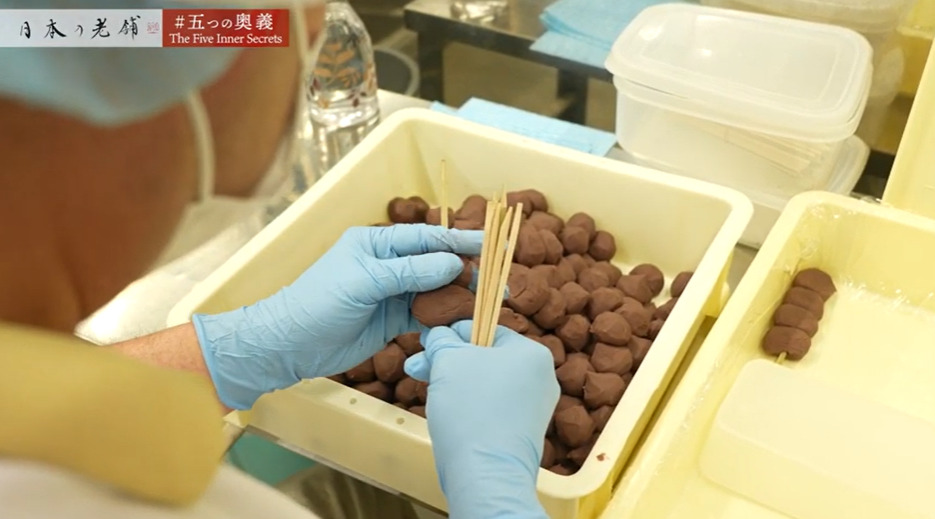
Since the dumplings are formed flat by the hands of craftsmen, they cannot be mechanized. Each dumpling has a slightly different shape, which is a unique feature of hand-stitching.

We put our heart and soul into skewering each dumpling. Of course, making the dough is also time-consuming. We pound the dough with a mortar and pestle, and as the saying goes, “If other places pound 300 times, we pound 600 times. Currently, we pound dumplings about 900 times,” says Sawano.

The five secrets of long-established shops No. 3: The dough for “baked goods” and “red bean paste” is made with different amounts of water.

The amount of water is changed for two types of dough, baked dumplings and red bean paste dumplings. The baked dumplings are slightly firmer because the dough may become soggy after heating. The red bean-jam dumplings are eaten as they are, so we adjust the amount of water to make them softer.

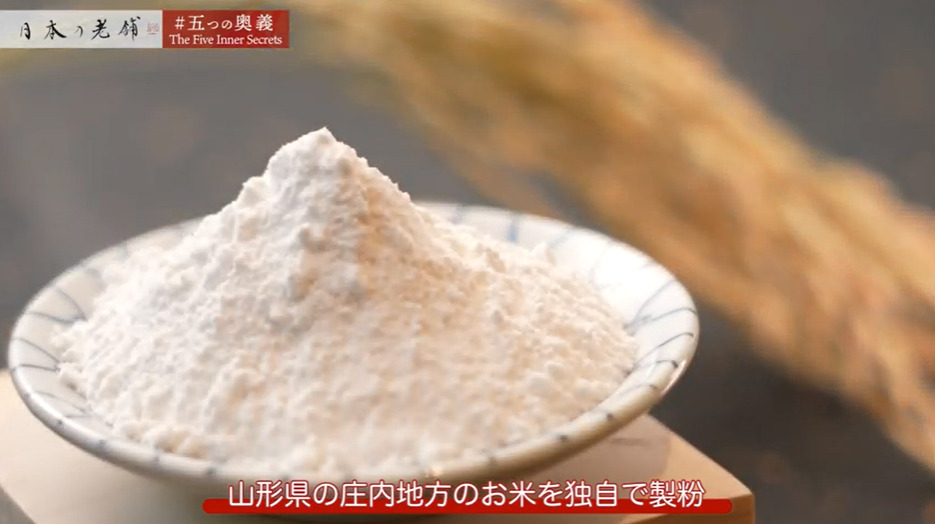
The amount of moisture is not a fixed number, but varies depending on the humidity of the day. The rice used for dumplings is imported from the Shonai region of Yamagata Prefecture and milled by our own mills, and the moisture content varies depending on whether the rice is new or old. Adjusting the moisture content is extremely difficult and requires a great deal of skill.

Five secrets of an old shop, part 4: Okakura Tenshin also used to go there. It is a sweet shop, but you can also drink sake.

The restaurant’s menu shows beer and cold sake. Even though it is a sweet shop? This may seem surprising, but the shop has been serving both tea and sake since the days when it was a teahouse on a street.

It is said that “Shogoro I opened the Fujinoki teahouse, which also served as a liquor store after the Meiji era. We know from an essay by his eldest son, Kazuo Okakura, that Tenshin Okakura also served sake at the store. One time, only the horse that Tenshin was riding came back, and when the family looked around for him, they found that he had forgotten to return to the dumpling shop in Imozaka (Nippori) in a state of shock,” Sawano said.

They continue to serve sake at the restaurant as they do today in the hopes that people will experience how people of that time felt about eating yaki-dango (grilled dumplings) and sake.

The Five Secret Secrets of Long-established Businesses No. 5: Make small changes while preserving the deliciousness of dumplings.

The Five Secret Secrets of Long-established Businesses No. 5: Make small changes while preserving the deliciousness of dumplings.

I want to reproduce today as much as possible the dumplings of that era, which many people, including Shiki Masaoka, who said they were delicious, would have enjoyed. Even though there are many temptations, such as “they last longer” and “they are easier to sell,” we want to keep our focus on that.

Why has the long-established business continued?

Mr. Sawano says that one of the reasons for the longevity of long-established businesses is the family motto of “not over-broadening the scope of business.

Dumplings are a product that lasts only a day or two, so I imagine it was good that we did not expand our business too much. Therefore, I imagine it was a good thing that we did not expand our business too much and kept a steady pace,” said Sawano.

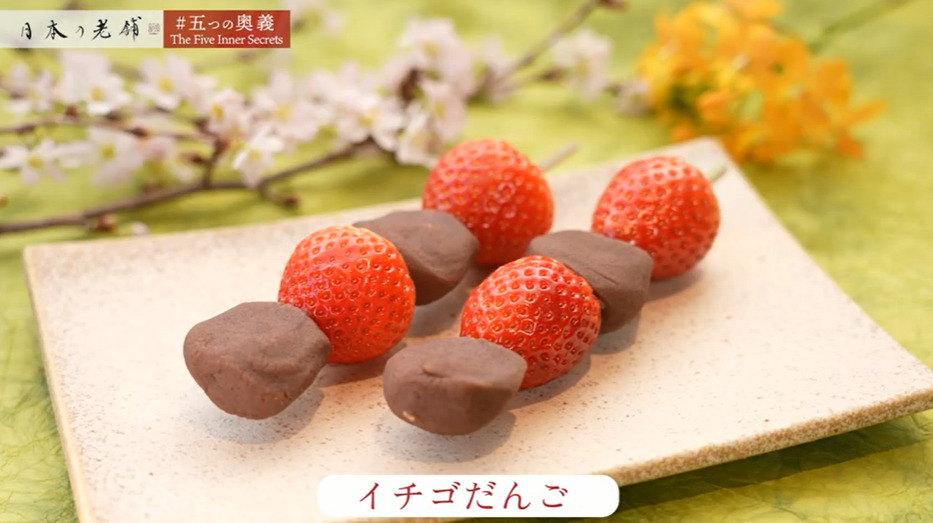
Mr. Sawano said that he would like to continue to take on innovative challenges without forgetting his origins.

Starmark Corporation

Bringing the best of Japan to the world Bringing the best of the world to Japan Bringing the best of tradition to the present Bringing the best of the present to tradition


For the video “The Five Secret Secrets: Habutae Dumplings”, please click here.here (place close to the speaker or where the speaker is)from (e.g. time, place, numerical quantity)

新着・おすすめ情報

  1. Ebara Shrine (Shinagawa, Tokyo)

  2. Fukagawa Iseya

  3. 【MATSUZAKI SHOTEN/松崎煎餅】ハロウィン三味胴 期間限定販売

  4. 【榛原】「百花デザイン」のマスキングテープ

  5. Rinsenji Temple, Shibare Jizo (Myogadani, Tokyo)

  6. 【第2回】美味しい蕎麦屋を見分けるコツは、お客様の「姿勢」を見ること

  7. Koishikawa Botanical Garden

  8. Keishindo Inazaki Hyogu Shop

  9. Kamiya Bar

  10. What innovations have been made at Nimben, a 321-year-old dried bonito flakes business?

  11. Amaterasu Oomikami

  12. end of the year

  13. bones left after cremation (esp. those of a Buddha or Boddhisatva)

  14. Shimotani Shrine

  15. Chomeiji Temple (Mukojima, Tokyo)