Ruins of Hachioji Castle

historic siteHachioji, Machida, Fuchu

Ruins of Hachioji Castle(Hachioji Castle Ruins)

National Historic SitecastleJapan’s top 100 castles

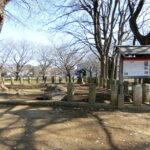
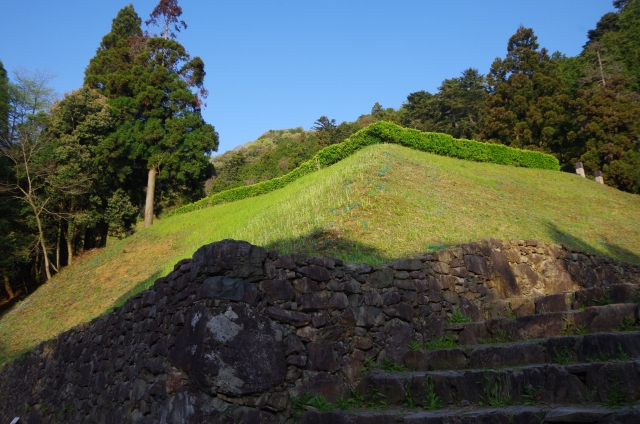
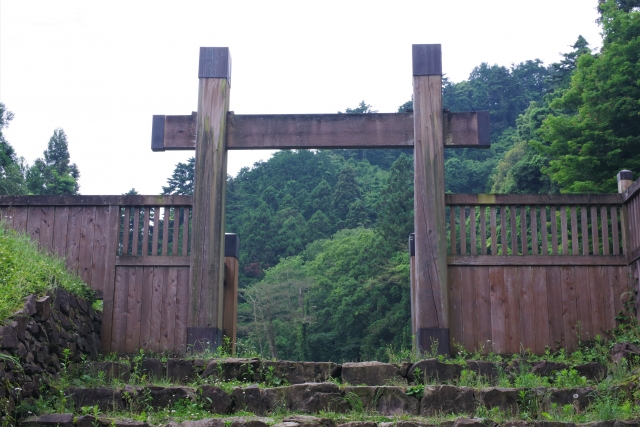
Hachioji Castle was a mountain castle built by Ujiteru Hojo, the third son of Ujiyasu, the third generation of the Odawara Hojo clan based in Odawara, and is estimated to have been constructed in the latter half of the Tensho period (1573-92). The Hojo clan eventually perished. Hachioji Castle was one of the best mountain castles in the Kanto region, taking advantage of the steep mountain terrain, but it is believed that the castle was still unfinished at the time of its fall. In 1990, the 400th anniversary of the castle’s fall, the stonewalls and passageways of the castle’s main building were restored, and in 2006, the castle was selected as one of the “100 Great Castles of Japan” by the Japan Castle Builders’ Association. It is also designated as a national historic site.

Spot OutlineOutline

address (e.g. of house) 3, Nishiterakata-cho, Shimo-Onkata-cho, Motohachioji-cho, Hachioji City, Tokyo (Administration building is located at 3-2715-2, Motohachioji-cho, Hachioji City)
Access Take a bus from JR Chuo Line Takao Station (bound for Takao no Mori Wakuwaku Village, Hoshoji Danchi, Onkata Terminal, Okubo, Okubo/Jinma Kogenshita, Green Town Takao, Miyamacho), get off at “Reien-mae/Hachioji Castle Ruins Entrance” and walk 20 minutes (on Saturday, Sunday, and holidays only, buses bound for (Buses bound for Hachioji Castle Ruins run from Takao Station on JR Chuo Line on Saturdays, Sundays, and holidays only.)

phone 042-663-2800 (Hachioji Castle Ruins Guidance Facility)
Business Hours Always open (Hachioji Castle Ruins Guidance Facility is open from 9:00-17:00)
regular closing day None (Hachioji Castle Ruins Guidance Facility is closed for the year-end and New Year holidays)
External Links

Official Web Site

Founding and opening of business Tensho period (1573-92)

新着・おすすめ情報

  1. mound containing a monument to Shomon (i.e. a place of scenic beauty)

  2. pickled ginger

  3. Otomeyama Park (Takadanobaba, Tokyo)

  4. Improving operations is the only way to face customers. What Ginza Mikawaya, a long-established Western-style restaurant in Ginza, values

  5. man’s stiff sash

  6. Zoshigaya Old Mission Building (Zoshigaya, Tokyo)

  7. How were “Fresh Pack” and “Soup Stock” born? The source of the idea of the long-established dried bonito flakes shop “Nimben

  8. Mori Garden (Roppongi, Tokyo)

  9. Tanashi Shrine (Tanashi, Tokyo)

  10. Nara Ningyo” is characterized by the powerful touch of a single sword digging. What is the meaning behind it?

  11. The soul of the craftsman resides in the old-fashioned production method. The long-established comb shop “Juso Yakushi Ten” that produces the one and only boxwood comb.

  12. Katsusenji Temple (Kitasenju, Tokyo)

  13. Tokyo Metropolitan Teien Art Museum

  14. 【第7回】蕎麦に欠かせない薬味「葱」と「唐辛子」について

  15. Musashino Central Park (Musashino, Tokyo)