Umezono, a long-established sweet shop in Asakusa: From awa-zenzai to dora-soft (soft rice cake), “80% on the defensive, 20% on the offensive” wins the hearts of young people.

The Five Secret Secrets of Long-established BusinessesAsakusa (department store)syrup-coveredred bean soupplum gardencafe featuring Japanese-style sweets

Bringing the best of Japan to the world, and the best of the world to Japan, agatajapan.Japan is one of the few countries in the world where there are more than 33,000 long-established shops that have been in business for a hundred years. In this series of articles, we ask the owners of these long-established establishments about the “five secrets” that make them “long-established” establishments. The long-established shop we interviewed this time is “Umezono,” a sweet shop established in 1854. The texture and sourness of mochi millet, sweet and smooth anko (red bean paste), the dainty looking “awa-zenzai” and the “dora-soft” popular on social networking sites are just a few examples of the deep secrets behind their sweetness.Let’s explore the five secrets and delve deeper into the charm of a long-established restaurant that has been loved for more than 160 years.

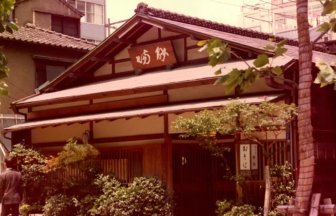
Umeen, a popular restaurant that was also depicted in Kafu Nagai’s “The Dancing Girl

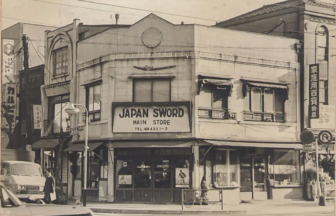
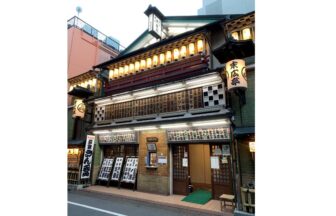
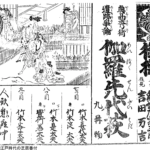
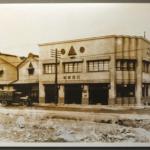
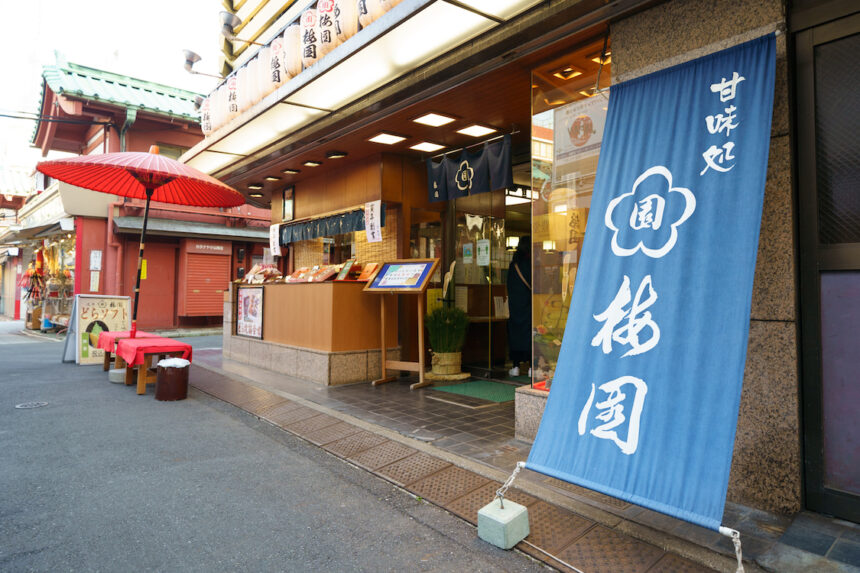
Mr. Takashi Shimizu, the seventh generation head of Umezono, talks about the history of Umezono’s new attempts. The slogan for adjusting the difficult balance between defense and offense is “80% for defense and 20% for offense. At the store located at the crossroads of Nakamise-dori in Asakusa, Tokyo, tradition and innovation are still being spun today.Umezono” originally started as a teahouse in a rented corner of “Umezonoin,” a branch temple of Sensoji Temple. The specialty “Awazenzai” was originally a snack for farmers. The first generation of Ume-en commercialized this simple sweet treat by cooking millet and serving it with azuki beans. Umezono also appears in a novel by Nagai Kafu titled “The Dancing Girl,” in which he describes its popularity: “I tried to eat oshiruko at Umezono, but the place was packed and I couldn’t get in. Photos taken when the store was newly opened in the Taisho era (1912-1926) also show the bustling atmosphere.

The millet used in today’s awa zenzai is not millet, but rather mochi millet. After the war, when millet was no longer in demand, the previous generation came up with the idea of using millet, which has a better texture. However, the well-known name “Awa-zenzai” has been passed down to the present day.

The secret of the deliciousness of awa-zenzai: Rice cakes are pounded half-half.

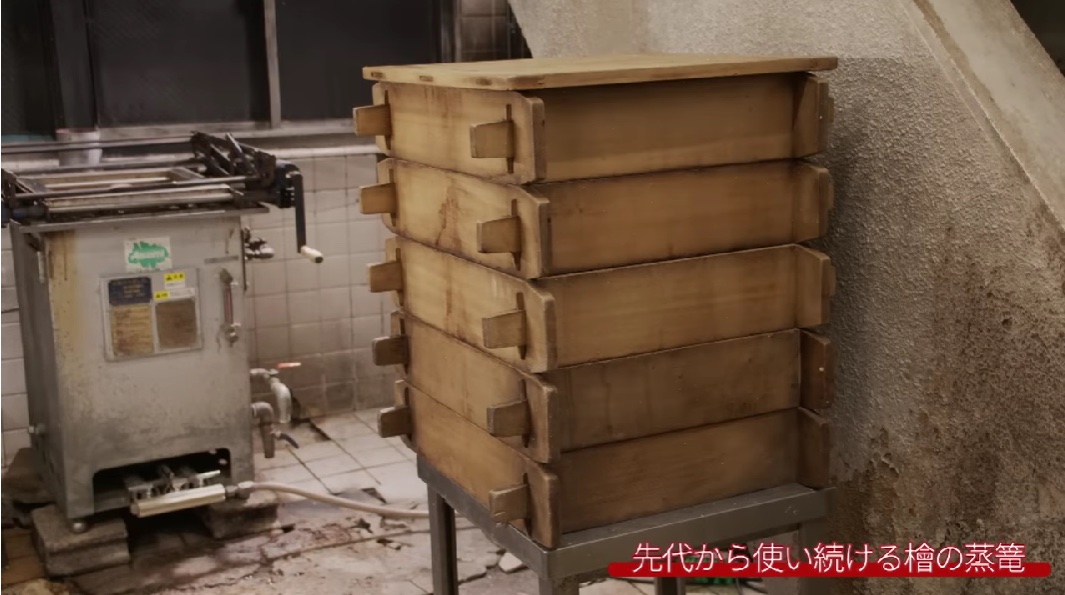
Umeen’s Awazenzai is made by mixing millet with glutinous rice, steaming it in a steaming basket, and kneading it in a rice-cake pounding machine until it is “half-pounded”. The rice cake is then kneaded in a rice steamer until it is “half pounded. The rice is kneaded by hand while adding water, and the half-pounding process gives the rice a sour and astringent taste and a chewy texture.

The Five Secret Secrets of Long-established Businesses, Part 2: The Four Tools That Never Change Sustain Tradition

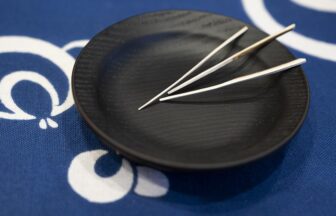
Four tools have been used at Umewon since the days of its predecessors: a cypress straw mat, a rice cake pounder, a copper pot for heating red bean paste, and a lacquered bowl. Shimizu says, “We have to keep using the same things to get the same taste and texture. This tradition will never change.

The five secrets of a long-established restaurant Part 3: Recognize when the pot is buzzing, a sign of deliciousness.

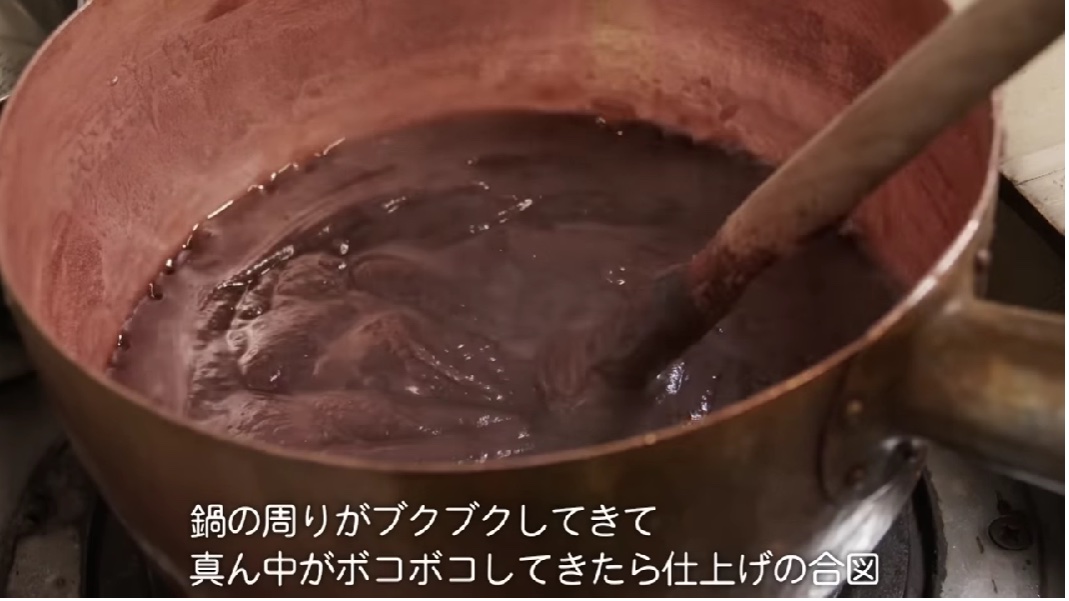
The mochi is kept warm in a seiro and the anko (sweet bean paste) is heated next to it. When the copper pot with the koshi-an is filled with a little water and heated over high heat, and the pot becomes bubbly around the perimeter and bumpy in the center, that is the signal to finish. The process of making koshi-an requires careful attention and is not simple in any way.

You get used to it, and you know when it’s going to get bumpy,” says Shimizu.The customers appreciate the sweetness and the bright colors when they open them,” says Umezono.

Five secrets of a long-established restaurant No. 4: To satisfy customers, even rare foodstuffs are served at a great price.

We are pretty generous with everything. Everything is very generous in quantity. That is also for the satisfaction of our customers,” says Shimizu with a smile.Kanten (agar agar) is made from high quality domestically produced agar. Not many stores nowadays use fresh agar agar. The popular menu item “Shiratama Cream Anmitsu” is completed with a generous serving of ice cream, fruit, and sweetness, topped with homemade molasses.

The diameter of Umeen’s “Dorayaki” is 11 cm, which is more than 20% larger than other companies. The red bean paste is also quite hearty, so people say they are full after just one dorayaki,” says Shimizu.When asked, “Did you plan to take over from the beginning?” He answered, “I started to enjoy it as I went to college, helped in the store and kitchen, and sold Japanese confectioneries. He also said, “I have always followed my father’s footsteps.” Hiroyuki Shimizu, the sixth generation owner of Umezono, shared his strict attitude and commitment to “more delicious” taste.

The Five Secret Principles of Long-established Businesses No. 5: 80% Defense, 20% Offense

As mentioned above, Umezono has a spirit of respecting tools and traditional production methods. On the other hand, as an “offensive” measure, they are working to change their tastes to suit the times.

For example, the “Dorayaki Soft” was born from the idea of “using the dorayaki crust to create something new for young customers” and is edible in one hand. When the product was launched, it quickly became popular, with photos of it being shared on Instagram. Mr. Shimizu spoke of his joy at being accepted by young people, just as he had hoped.

Winning the hearts and minds of young customers by defending and attacking at the same time.

Asakusa has seen a huge increase in the number of young customers,” Shimizu says.The image of mostly older customers is now being reversed. Umegae’s strength lies in the fact that it has been supported by older customers, while its weakness is its younger customers. In order to turn this “pinch into an opportunity,” the company is trying to “rejuvenate the generation of customers” by appealing to younger customers and making them more aware of the company. We are now on the offensive while defending ourselves.

 Starmark CorporationBringing the best of Japan to the world Bringing the best of the world to Japan Bringing the best of tradition to the present Bringing the best of the present to tradition
The video of “The Five Profundities: Plum Garden Edition” is available athere (place close to the speaker or where the speaker is)from (e.g. time, place, numerical quantity)

新着・おすすめ情報

  1. 【長命寺桜もち】桜もちの食べ方のご案内

  2. The ninth generation of a long-established soba restaurant teaches how to boil and taste truly delicious soba noodles

  3. Rintsushinomori Park (Musashikoyama, Tokyo)

  4. Yagenbori Fudoin (Nihonbashi, Tokyo)

  5. きらり浅草老舗めぐり ~発見!江戸東京の新しい魅力~

  6. oldest surviving traditional style of sake making

  7. colored kimono

  8. mochi containing red bean paste

  9. grilled eel

  10. Yamada Heando Daikanyama Main Store

  11. sweet red-bean soup

  12. Ebiya Sohonpo (Buy / Mukoujima/Honjo area) page is now open

  13. Ubukeya, a long-established cutlery shop with 240 years of history

  14. Akishikian Osaka-ya

  15. Ruins of Kira Residence (Honjo Matsuzaka-cho Park)