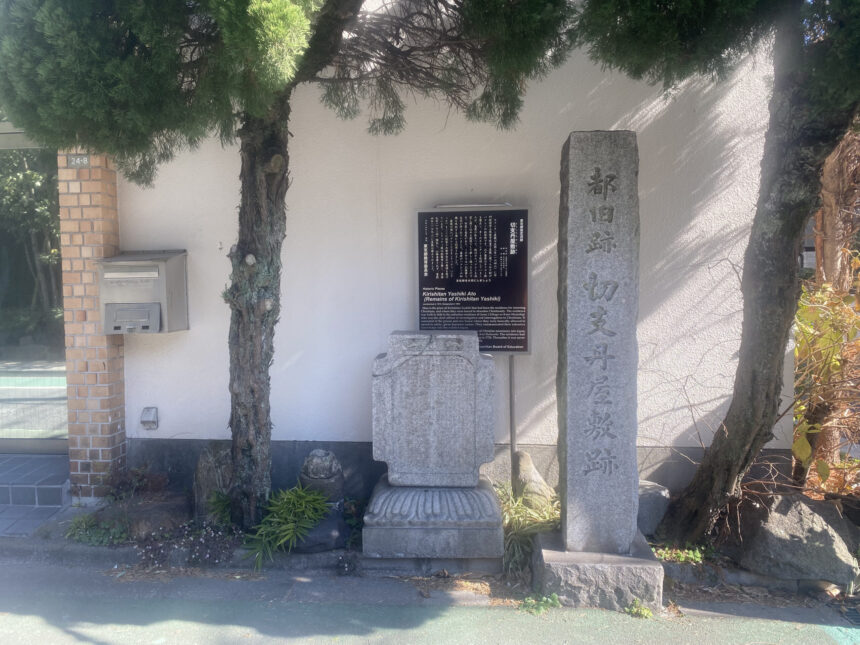
Ruins of Kirishitan residence (Myogadani, Tokyo)

historic siteIkebukuro/Akabane

Ruins of Kirishitan residence (Myogadani, Tokyo)(Christian’s Mansion Ruins)

early Japanese Christianity (from the later Muromachi period)ChristianityPortuguese Jesuits (in Japan in the 16th century)

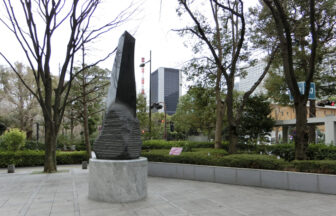
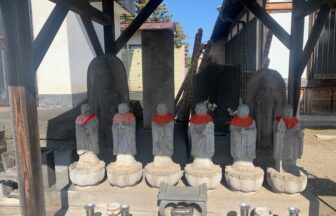
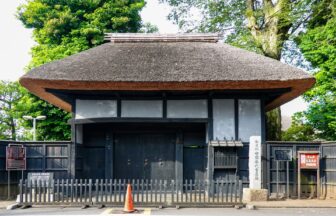
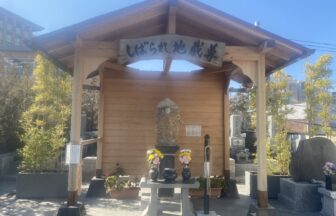
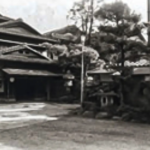
In 1646, a prison and guard house were built in the compound of Inoue Masashige, a Sometsuke and Somon Kaiyaku, and was called Kirishitan Yashiki (Kirishitan house) because it housed some Christians captured by the Shogunate. After the mansion was destroyed by fire in 1724, it was closed in 1792. Over time, in 2014 (Heisei 26), when excavations were conducted for the construction of the condominium, three graves and remains presumed to be those of Italian inmates were discovered at this site. Today, a monument stands at the site, as well as the “Yonakiishi (stone without night)” where a believer named Hachibei, who was tortured, is said to have been buried alive and a stone placed on his grave.

Spot OutlineOutline

address (e.g. of house) 1-24-8 Kohinata, Bunkyo-ku, Tokyo
Access 8 minutes from Myogadani Subway Station

Founding and opening of business 1646 (Shoho 3)

新着・おすすめ情報

  1. Japanese dessert consisting of two slices of kasutera (sponge cake) with red bean jam in between

  2. purity

  3. dried confectionary

  4. Suzuki Ruins Museum

  5. brewer’s rice

  6. soba noodles eaten on New Year’s Eve

  7. Where does the name “Sakura Denbu” come from? How is it made?

  8. Chinzan Villa

  9. Enjyoji Temple (Hakusan, Tokyo)

  10. A Walk in Edo with Old Maps] No.5: Traces of Edo Remain Strong in “Differences in Elevation” and “Town Names” in Ushigome and Ichigaya

  11. grilled eel

  12. combined off-license and pub (licence)

  13. Before the Edo period, “Dedication confectionery” was a top-quality confectionery made with white sugar.

  14. What does a “hair dresser” do? Series of Craftsmen Who Make Dolls

  15. What are the roles of the “three courtesans”? What do each of them bring with them?