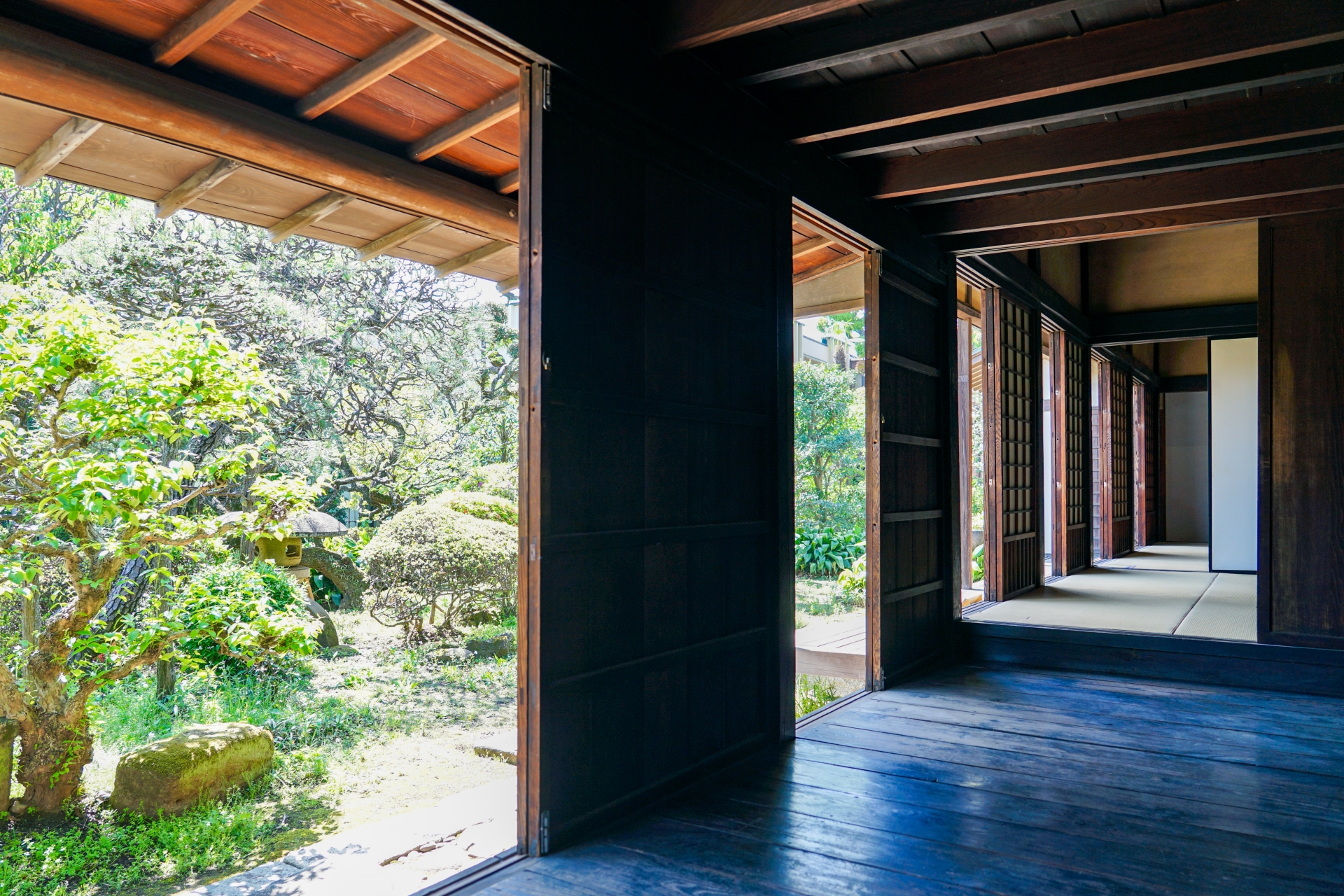
Setagaya Daikan Yashiki

constructionMeguro, Setagaya

Setagaya Daikan Yashiki(Setagaya Daikan House)

important cultural property

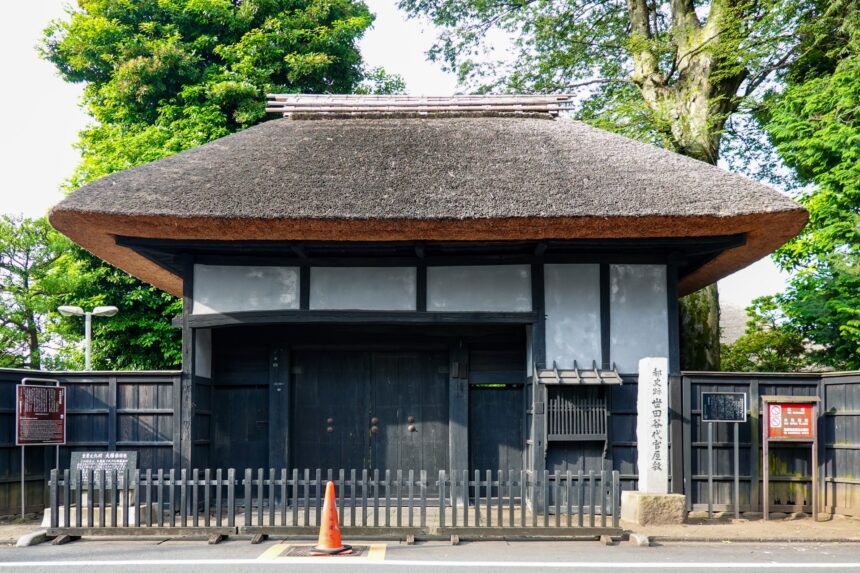
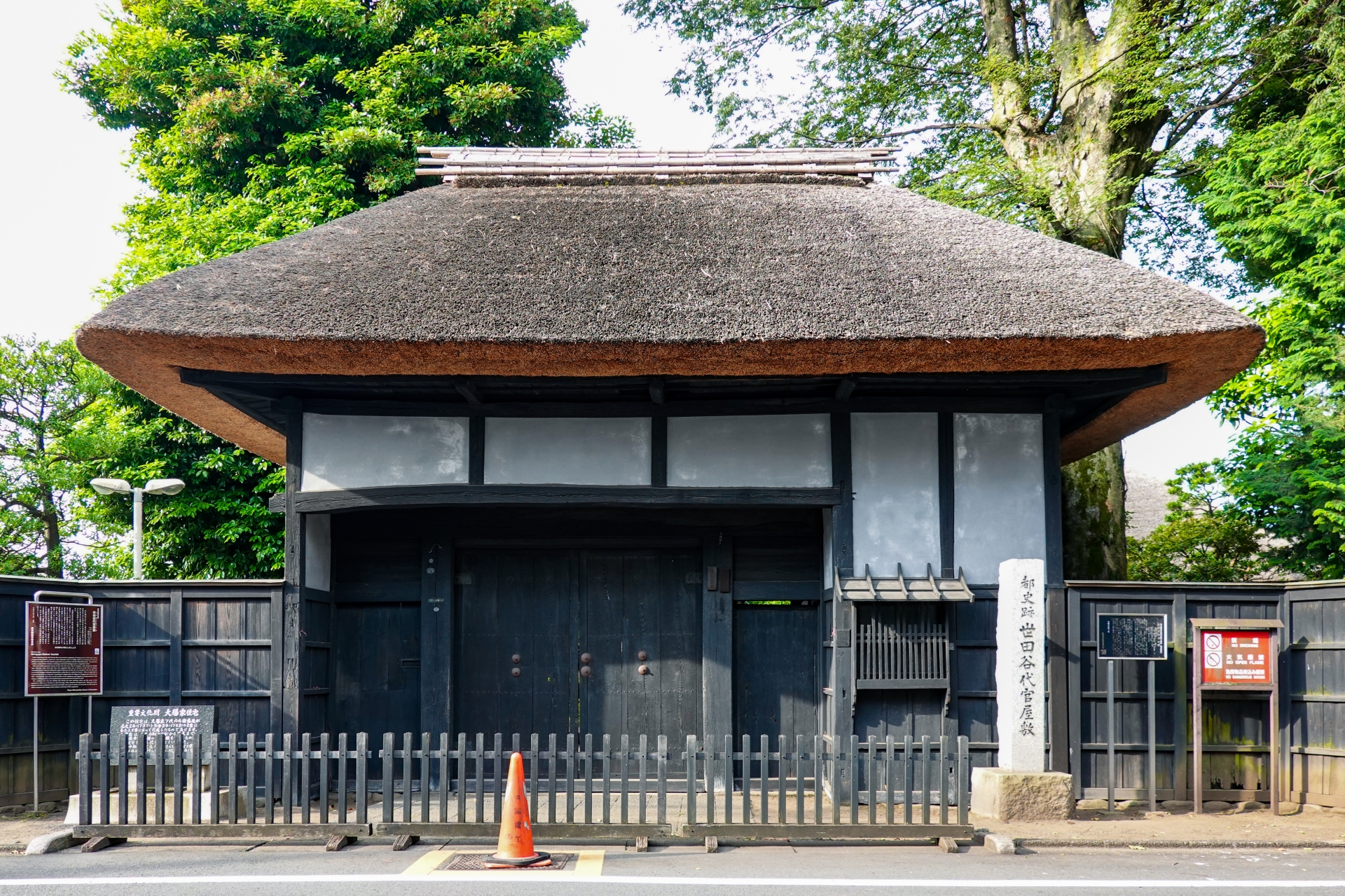
The Setagaya Daikan Yashiki is the private residence and official residence of the Oba family, which had succeeded to the position of deputy for 20 villages in the Setagaya domain of the Hikone clan since the middle of the Edo period. It is also called Oba Daikan Yashiki. The mansion was originally located in Motoyado, but was moved to its current location around 1575. It is the only residence in Tokyo designated as a historic site by the Tokyo Metropolitan Government as a residence of a feudal lord. In addition, the two buildings of the Oba family residence, the main house and the front gate, are the first residential buildings in Tokyo to be designated as National Important Cultural Properties of Japan, as they have preserved their former state as representative upper minka of the mid-modern period. The Setagaya Ward Folk Museum is also located on the site.

Spot OutlineOutline

address (e.g. of house) 1-29-18 Setagaya, Setagaya-ku
Access 4 minutes from Tokyu Setagaya Line Kamimachi Station

phone 03-3429-4237 (Setagaya Ward Folk Museum)
Business Hours 9:00~17:00
regular closing day nashi (Pyrus pyrifolia, esp. var. culta)
External Links Official Web Site
Founding and opening of business unknown

新着・おすすめ情報

  1. Manners Related to Tea: How to Make and Serve Delicious Tea, and Manners for Receiving Tea

  2. Preserving Kimono Culture through Tabi Shoes. What is the goal of the long-established Tabi Shoes shop “Ohnoya Fuso-Honten”?

  3. light crimson (dye)

  4. What is “moromi”? Words related to sake

  5. Koami Shrine (Ningyocho, Tokyo)

  6. Japanese doll” is a generic term for dolls traditionally made in Japan. What types are there?

  7. beef sinew stewed in miso and mirin

  8. Eitaro Fuhonshop located at the foot of Nihonbashi Bridge. Traditional techniques and a desire to “create new wagashi

  9. Zojoji Temple

  10. box lunch (containing rice and 10-15 small portions of fish, meat, and vegetables)

  11. Sticking to domestically produced raw materials, each tooth is spun by hand. The commitment of the long-established “Juso Yakushi-ten” (Juso Yakushi Shop)

  12. bush

  13. Ueno, Yanaka, Nippori

  14. half-width obi (kimono sash)

  15. Atago Shrine