Shinjuku Gyoen

Parks & GardensAzabu, Akasaka, Roppongi

Shinjuku Gyoen(Shinjuku Gyoen National Garden)

cherry blossom viewingpicnictaking one’s children along (to an event, into a new marriage, etc.)Japanese-style gardenleaves changing color (colour)

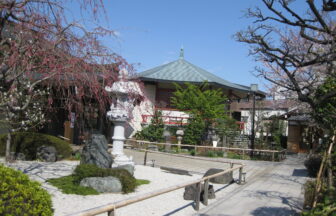
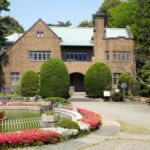
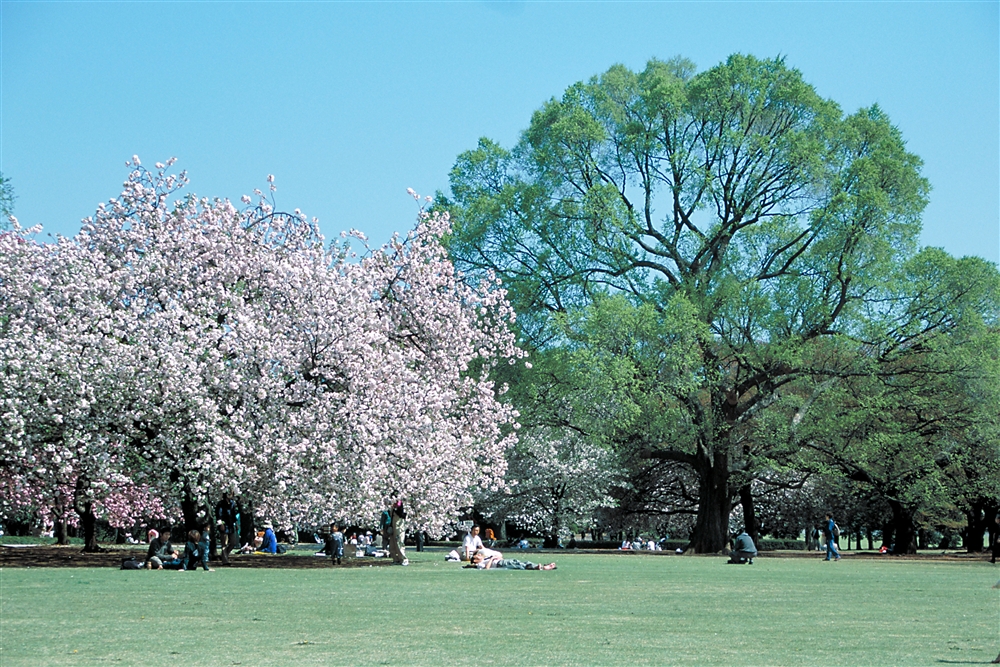
The vast garden, with an area of 58.3 hectares and a perimeter of 3.5 km, skillfully combines a formal garden with rows of plane trees, a landscape garden with lilies rising high above the lawn, and a traditional Japanese garden. It is a modern Western garden representative of the Meiji era and is considered one of the few masterpieces of landscape-style gardens in Japan. The garden is said to have its roots in the Edo residence of the Naito family, a Tokugawa family vassal. After the establishment of a national agricultural experiment station and the imperial estate of the Ministry of the Imperial Household, it was created in 1906 as Japan’s first imperial garden. After the war, it became a national park and was opened to the public. With approximately 1,000 cherry trees, autumn leaves, chrysanthemum beds, and plants in the greenhouse, it is a popular oasis in the heart of the city where visitors can experience nature regardless of the season.
Photo courtesy of Shinjuku Gyoen Management Office, Ministry of the Environment

Spot OutlineOutline

address (e.g. of house) 11 Naito-cho, Shinjuku-ku, Tokyo
Access 10 minutes from Shinjuku Station on JR, Keio, and Odakyu Lines, 15 minutes from Seibu Shinjuku Station on Seibu Shinjuku Line, 5 minutes from Shinjuku-Gyoenmae and Shinjuku-Sanchome Subway Stations

phone 03-3350-0151
Business Hours October 1 – March 14, 9:00 – 16:00 (closing at 16:30)
March 15 – September 30: 9:00 – 17:30 (closing at 18:00)
July 1 – August 20: 9:00 – 18:30 (closing at 19:00)
*As of April 2022, the garden is open from 9:00 to 16:00 (closing at 16:30). Before visiting the garden, please check the following Shinjuku Gyoen website for the garden’s opening status.
regular closing day Every Monday (if Monday is a holiday, the following weekday), year-end and New Year holidays (December 29 – January 3)
Open every day during the special spring opening period (March 25-April 24)
External Links

Official Web Site

Founding and opening of business 1906 (39th year of Meiji era) Opened

新着・おすすめ情報

  1. Eating Doze soup every day to check the taste. The current owner of Komagata Dozeu, a famous restaurant that has been in business since the Edo period, demonstrates his commitment to preserving the taste of his products.

  2. Kimuraya Sohonten, a long-established bakery that has inherited the beliefs of its predecessors and predecessors and continues to preserve its taste.

  3. Sticking to domestically produced raw materials, each tooth is spun by hand. The commitment of the long-established “Juso Yakushi-ten” (Juso Yakushi Shop)

  4. day of the ox in midsummer (during the hottest season)

  5. end of the year

  6. Minori Kai] 7 souvenirs from long-established shops in Tokyo that you want to give with a story.

  7. When do we display the “Akumayumi” outside of Children’s Day? Explanation of its origin

  8. Ruins of the Tokugawa family residence of the Kii Wakayama domain (Kioicho, Tokyo)

  9. Virudhaka (Buddhist deity)

  10. What are the characteristics of “Yamada-Nishiki” rice for sake brewing? Words related to sake

  11. What is Dragon Boat Festival?

  12. gelidium jelly strips (made from agar-agar)

  13. Innovation by “Shinseido”, creator of the unconventional and popular “Seppuku Monaka” product

  14. Japanese yam (Dioscorea japonica)

  15. Why is “Koinobori” carp? The reason is said to be based on Chinese folklore.