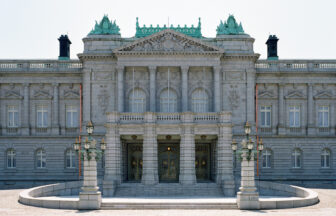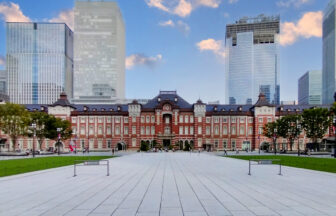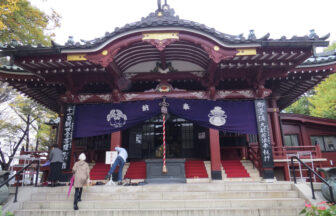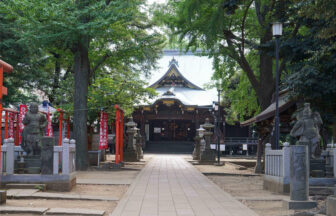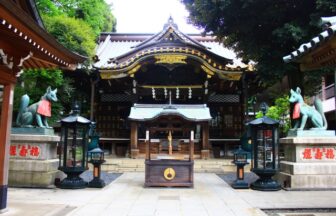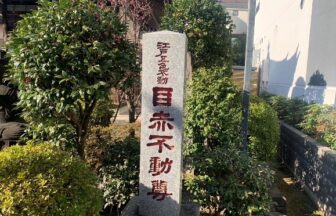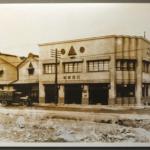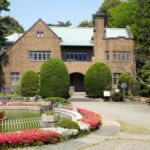
large building

armour

large building(mune)

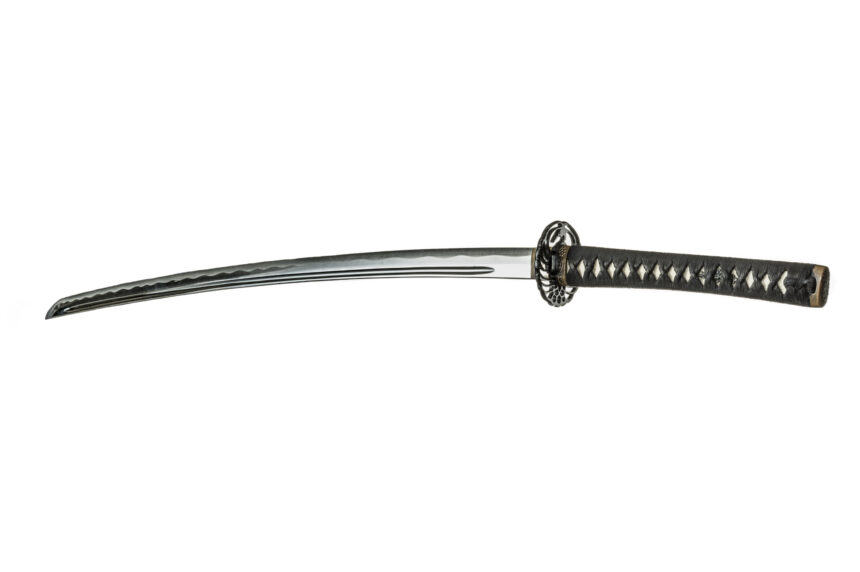
Japanese sword

The back of a sword is the part of the sword opposite the blade, the part that cuts. It is also called “Mine” and is called “Mine-uchi” when an opponent is killed without taking his life by striking him with the back of the sword. Depending on the shape, there are kaku-mune, marumune, mitsumune, iori-mune, and others. Among these, the “hermitage” style, whose cross section is shaped like a roof, is used for many swords.

新着・おすすめ情報

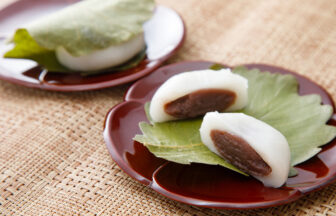
  1. sweet burdock and miso-bean paste covered with a thin layer of mochi

  2. The soul of the craftsman resides in the old-fashioned production method. The long-established comb shop “Juso Yakushi Ten” that produces the one and only boxwood comb.

  3. brewer’s rice

  4. Ueno, Yanaka, Nippori

  5. Tsukiji Catholic Church (Tsukiji, Tokyo)

  6. Metropolitan Takiyama Park, Ruins of Takiyama Castle

  7. The important thing is to build a steady network. Nakazawa Nyugyo Co., Ltd. is expanding its business with the spirit of “Be with each other and do business with each other.

  8. Ubukeya is a knife store specializing in kitchen knives, scissors, and hairpins. The ultimate “sharpening” that even makes a paper-cutting artist say, “It’s so sharp, I’m in trouble!

  9. A Walk in Edo with Old Maps] No. 6: Kagurazaka is full of historical attractions. From alleys where you can feel the Edo period to wooden buildings of the Showa period

  10. Yamamoto-Tei (aristocratic group of pious men)

  11. manjuu

  12. Lady Gaga is a fan! The beauty of the braided cord culture by Ryu Kobo, which has been in business for over 130 years.

  13. When do we display the “Akumayumi” outside of Children’s Day? Explanation of its origin

  14. Namikaze Shrine (Tsukiji, Tokyo)

  15. Tokyo’s “Furyu Odori” is the talk of the town since it was selected as a UNESCO Intangible Cultural Heritage site! Tokyo’s “Furyu Odori” gathers in large numbers! Report on Tokyo Folk Performing Arts Festival