lay or stretch out to dry

Japanese clothing

lay or stretch out to dry(araihari/araihari)

Japanese clothesclothing

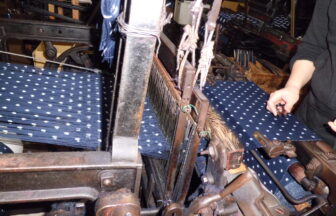
This is one of the methods of kimono care and was done at home in the past. A tailored kimono is untied and returned to its original state as a single piece of cloth and washed. After the stains are removed, the fabric is stretched and glued with a thin bamboo stick (shinshi). There are several methods: “Shinshi-stretching,” in which the fabric is stretched and glued with a thin bamboo stick with pointed ends or a needle planted in it; “Ita-bari,” in which the fabric is stretched on a board; and “Yunoshi-stretching,” in which steam is used to soften the fibers and stretch out wrinkles. Washing and stretching not only cleans the fabric, but also revives it into a new kimono by changing the dimensions and replacing parts of the fabric that were used.

新着・おすすめ情報

  1. ridges on a blade (sword, knife, etc.)

  2. rolled sushi with rice and other ingredients

  3. Ruins of Hachioji Castle

  4. Ryu Kobo in Nihonbashi has been innovating braided cord culture for more than 130 years.

  5. Shoin Shrine (Setagaya, Tokyo)

  6. being badly influenced by

  7. Tokyo National Museum

  8. Shirokiya Denbei, a long-established shop of all-natural, 99% handmade Edo-style brooms. Why has the tradition been preserved for nearly 200 years?

  9. Enjyoji Temple (Hakusan, Tokyo)

  10. gelidium jelly strips (made from agar-agar)

  11. A Walk in Edo with Old Maps] No.5: Traces of Edo Remain Strong in “Differences in Elevation” and “Town Names” in Ushigome and Ichigaya

  12. Jiyu Gakuen Asutumu-kan (Ikebukuro, Tokyo)

  13. special brewing

  14. Japanese Food Manners You Should Know. Sashimi, Sushi, Tempura, Yakimono…… explained by cuisine.

  15. 京都でも最古の歴史を持つ「松井酒造」。日本酒づくりを軸に展開する、革新的な取り組み