Kiyosumi Garden

Parks & GardensMonzennakacho, Kiyosumi-Shirakawa

Kiyosumi Garden(Kiyosumi Gardens)

cherry blossom viewingpicnicwalk

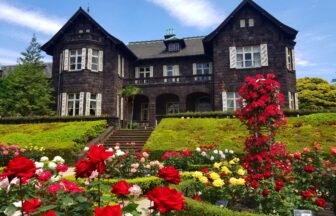
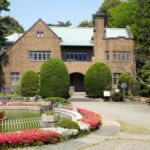
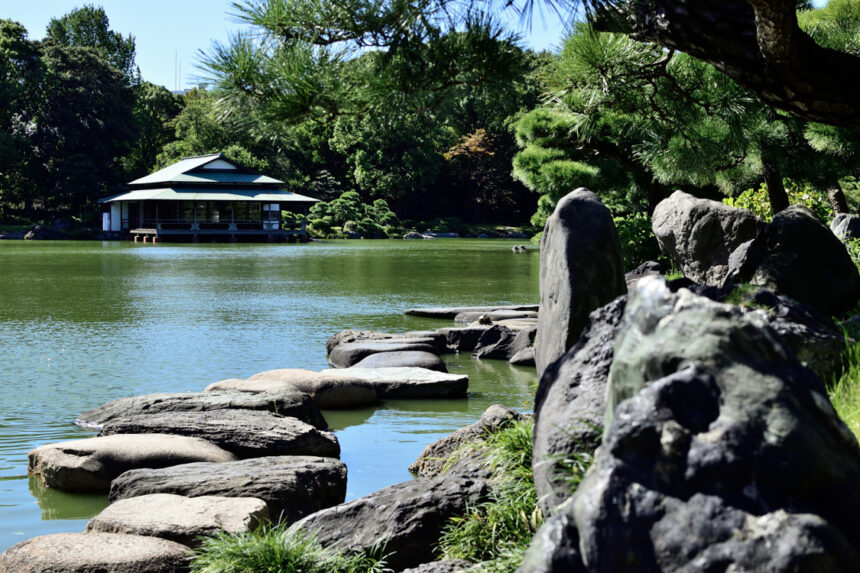
The garden is a “kaiyushiki rinsen garden” featuring fountains, artificial hills, and dry landscaping, as used in the gardens of feudal lords in the Edo period. The garden was completed in 1880 as the Fukagawa Friendship Garden. After Yataro’s death, the garden was restored with water from the Sumida River and landscaping work including the placement of famous stones. The garden is designated as a place of scenic beauty by the Tokyo Metropolitan Government, and in early June, approximately 350 irises are at their best. With approximately 20 cherry trees planted, it is also a popular place for cherry blossom viewing.

Spot OutlineOutline

address (e.g. of house) 3-3-9 Kiyosumi, Koto-ku, Tokyo
Access 3 minutes from Kiyosumi-Shirakawa Subway Station

phone 03-3641-5892
Business Hours 9:00-17:00 (admission until 16:30)
regular closing day Year-end and New Year holidays (December 29 – January 1)
External Links

Official Web Site

Founding and opening of business 1932 (Showa 7)

新着・おすすめ情報

  1. traveling clothes

  2. Fuzoku ningyo” are dolls that reflect the customs of various regions in Japan. There are Edo genre dolls, Kyoto dolls, etc.

  3. sandbar that projects into the ocean, particularly in a wavy form

  4. Hakata doll

  5. Manners for visiting shrines and temples: money offering, how to pray, how to get a red seal, etc.

  6. Minamiya Temple (Komagome, Tokyo)

  7. Responding to customer requests leads to innovation. Leading dairy products company “Nakazawa Dairy Co.

  8. New Year’s gift (usu. money given to a child by relatives and visitors)

  9. Former Residence of Soseki Natsume (Cat’s House)

  10. Was Kimuraya Fuhonten’s Anpan Created by “Painful Measures”? 150 years of history of trial and error

  11. Eitaro Fuhonshop located at the foot of Nihonbashi Bridge. Traditional techniques and a desire to “create new wagashi

  12. Oiwa Inari Tamiya Shrine

  13. Kimuraya Sohonten, a long-established bakery that has inherited the beliefs of its predecessors and predecessors and continues to preserve its taste.

  14. A Walk in Edo with Old Maps] No. 2: Kyobashi and Ginza from the Edo Period to the Heisei Era Traced by Rivers

  15. Uiro