short sword

armour

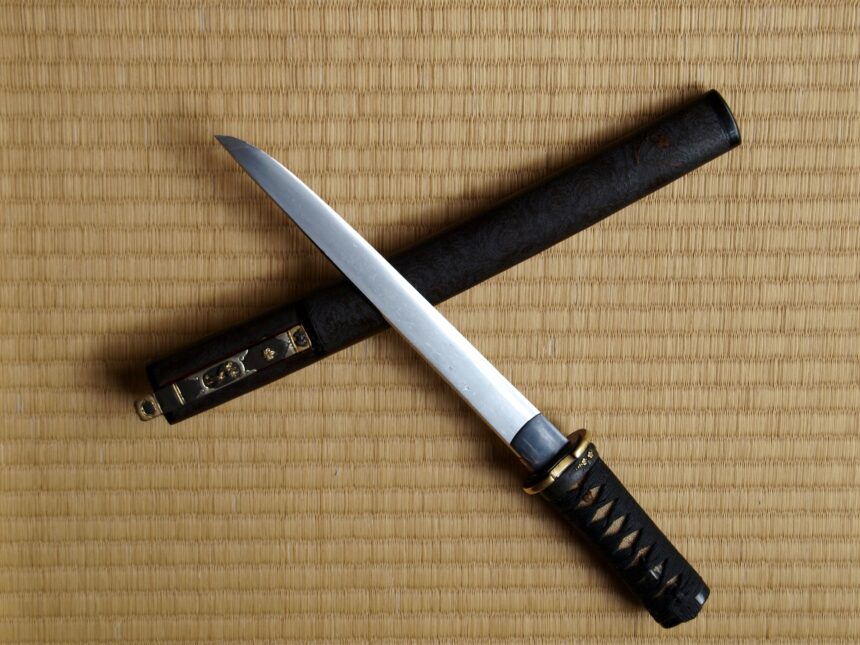
short sword(Tantou)

Japanese sword

A general term for short swords with little or no warp and less than 1 shaku (about 30 cm) in length. During the Kamakura to Muromachi periods, swords were used in kumiai (fighting with the enemy) and for seizing the enemy’s head. After the Azuchi-Momoyama period (1568-1600), it is said that its use on the battlefield decreased, but since the Edo period (1603-1867), it has been valued as a sword for self-defense that even women and children could easily handle. It is also called “futokoro ga nana” or “koshi-gatana” (meaning “waist sword”) because it was carried at the waist with the blade facing upward. It is also called koshigatana (腰刀) or koshirae (こしらえ). The name “koshirae” also refers to the sword’s exterior, such as the scabbard and handle.

新着・おすすめ情報

  1. Honmyoji Temple (Sugamo, Tokyo)

  2. Okadaya Fuse” has a history of 188 years.

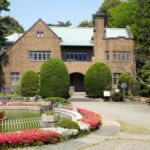
  3. Chinzan Villa

  4. What does “agari” mean? Its origin is also explained.

  5. triumvirate

  6. What is the difference between “Ginjo-shu” and “Junmai Ginjo-shu”? Words related to sake

  7. Kasai Shrine (Kanamachi, Tokyo)

  8. Shiobune Kannonji Temple (Ome, Tokyo)

  9. 8220;Sake Samurai”s Tour of Tokyo’s Long-established Sake Breweries with Yuki Aoi

  10. The name “Mokumegome doll” comes from the fact that the fabric is pressed into the shape of a doll.

  11. Where does the name “Sakura Denbu” come from? How is it made?

  12. Explanation of the contents of “Yomeiri Dougu Arrangement” [Decorating Hina Dolls].

  13. Asakusa 1 Day Sightseeing Plan] Tour Asakusa’s long-established shops! 5 spots where you can feel history and tradition

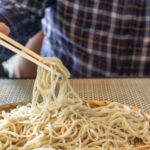
  14. Why Sarashina Soba is pure white? Pride in preserving the traditional Sarashina Soba with Onshochi Soba Soup and traditional Sarashina Soba Noodles

  15. pongee (soft thin cloth woven from raw silk)