vertical or granny knot

Japanese clothing

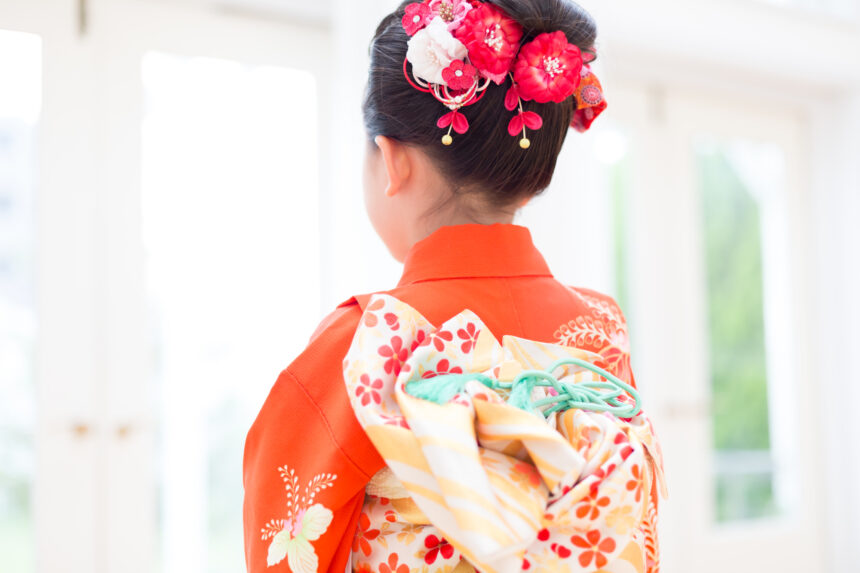
vertical or granny knot(Tateyamusubi)

Japanese clothesclothing

This is the obi knot of a lady’s maid who worked for the shoguns, feudal lords, and samurai families in the Edo period. The large, three-dimensional butterfly knot tilts diagonally from the left shoulder to the right side. The name comes from its shape, which looks like an arrow being carried on the back. Nowadays, it is often tied with the hiki-furisode (pulled sleeves) worn by brides and with furisode (long sleeves) worn at coming-of-age ceremonies and other events. By changing the number of folds and the size of the wings of the bowknot, many variations can be created. It is a knot that is elegant, glamorous, and youthful.

新着・おすすめ情報

  1. Tobifudo Shohoin Temple (Minowa, Tokyo)

  2. buckwheat mash (buckwheat flour in hot water served with shoyu)

  3. Akasaka Imperial Villa

  4. gelidium jelly strips (made from agar-agar)

  5. What is “Uguisumochi”? Which season is it?

  6. Tama Cemetery (Fuchu, Tokyo)

  7. 【第5回】東京から静岡へ 蕎麦店の系譜と受け継がれる蕎麦作りの伝統

  8. 8220;Sake Samurai”s Tour of Tokyo’s Long-established Sake Breweries with Yuki Aoi

  9. Sengakuji Temple

  10. triumvirate

  11. skewered eel roasted and wrapped in fried egg

  12. The soul of the craftsman resides in the old-fashioned production method. The long-established comb shop “Juso Yakushi Ten” that produces the one and only boxwood comb.

  13. Ruins of Isamu Kondo’s birthplace (Chofu, Tokyo)

  14. A Walk in Edo with Old Maps] No. 2: Kyobashi and Ginza from the Edo Period to the Heisei Era Traced by Rivers

  15. The same manufacturing method since the establishment of the company. Interview with Satoru Nakamura, the 7th generation of Shirokiya Nakamura Denbei Shoten, who weaves Edo brooms using craftsmanship passed down from generation to generation .