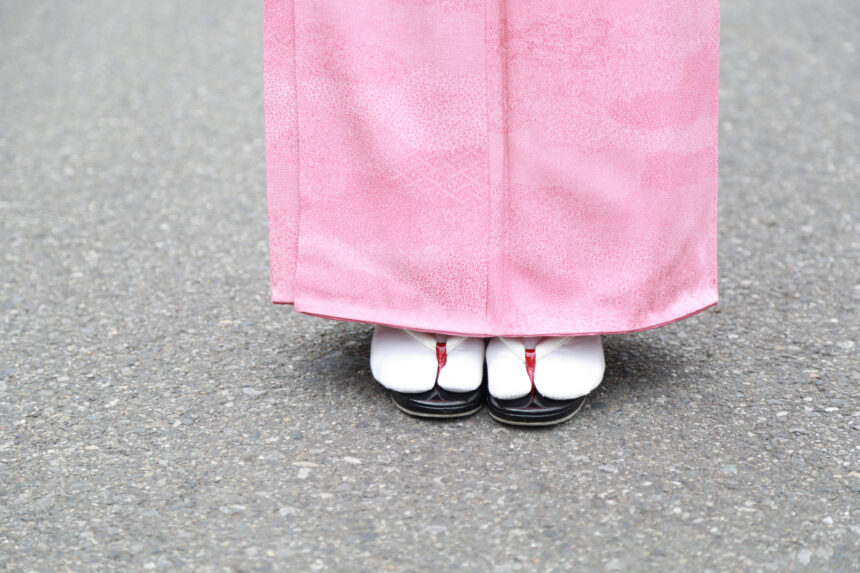
gore

Japanese clothing

gore(Okumi/okumi)

Japanese clothesclothing

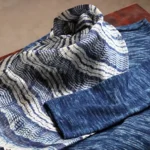
A narrow, half-width (approximately 15 cm) piece of cloth sewn from the collar to the hem on the left and right fronts of the kimono. By attaching gussets, the width of the body is widened, making it easier to wear. It also serves as a marker when overlapping the left and right body parts. Originally, it was called “Okubi. Okubi” means “collar,” and “oryo” means “large collar. The word gradually changed and came to be called “okumi.
新着・おすすめ情報

  1. 【第11回】江戸時代に生まれた「かけそば」の起源

  2. Umezono, a long-established sweet shop in Asakusa. Reaching out to the next generation with innovative ideas and SNS development that are “Eiyoe” (picture-perfect).

  3. Gotokuji Temple (Setagaya, Tokyo)

  4. Koishikawa Botanical Garden

  5. gelidium jelly strips (made from agar-agar)

  6. Tokyo’s “Furyu Odori” is the talk of the town since it was selected as a UNESCO Intangible Cultural Heritage site! Tokyo’s “Furyu Odori” gathers in large numbers! Report on Tokyo Folk Performing Arts Festival

  7. A Walk in Edo with Old Maps] No. 6: Kagurazaka is full of historical attractions. From alleys where you can feel the Edo period to wooden buildings of the Showa period

  8. brewer’s rice

  9. When should I send out my summer greeting cards in 2023? Is it OK to send it by e-mail? Common sense and examples of sentences you should know

  10. 12 recommendations for long-established products to give as Mother’s Day gifts.

  11. box lunch (containing rice and 10-15 small portions of fish, meat, and vegetables)

  12. Lengshan (dynasty of China; 386-589 CE)

  13. rice cake with bean paste wrapped in a preserved egg

  14. The simple taste of Kototoi dumplings that you never get tired of no matter how many times you try them.

  15. What is “moromi”? Words related to sake